Signal: India Tests Multi-Layered Ballistic Missile Defence System Amid Rising Regional Tensions

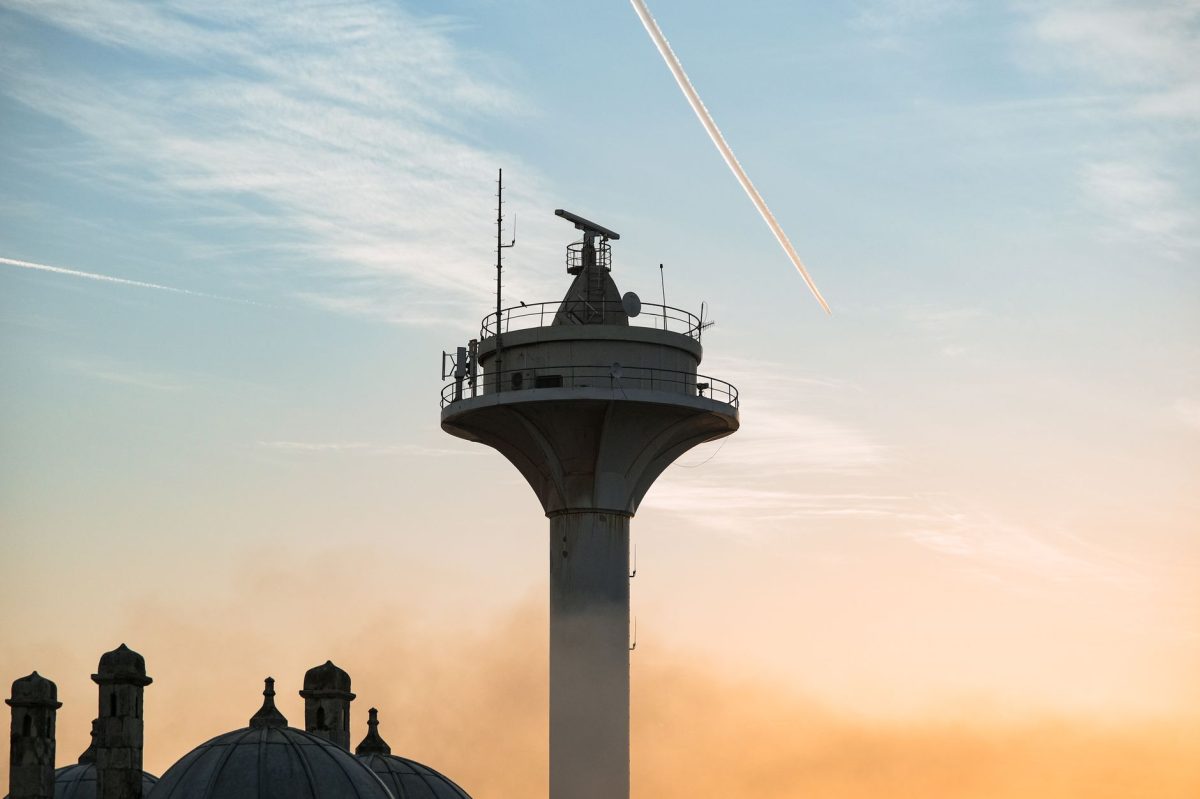
India's successful test of its multi-layered Ballistic Missile Defence system, Sudarshan Chakra, has significant implications for regional security. As tensions continue to rise in the Asia-Pacific region, India's enhanced air defence capabilities are likely to have a ripple effect on the balance of power. The Indian government has invested heavily in the Sudarshan Chakra project, with a focus on developing a robust system that can detect and intercept a wide range of aerial threats, including ballistic missiles, drones, and rockets. This article provides an in-depth analysis of the recent trials and what they mean for India's air defence capabilities.
Successful Trials of Sudarshan Chakra
According to an account by Defence Ministry sources, the recent trials of Sudarshan Chakra were conducted on April 10, 2024, at the Integrated Test Range in Chandipur, Odisha. The trials involved the successful interception of a ballistic missile target by the system's advanced radar and missile defence capabilities. The trials marked a significant milestone in the development of Sudarshan Chakra, with Defence Minister Rajnath Singh hailing the system as a 'game-changer' for India's air defence capabilities. The system is capable of detecting and intercepting targets at speeds of up to Mach 5, making it one of the most advanced air defence systems in the world, according to sources at the Defence Research and Development Organisation (DRDO).
Why It Matters
The successful trials of Sudarshan Chakra have significant implications for regional security, particularly in the Asia-Pacific region. The system's advanced capabilities make it a potent deterrent against potential threats from countries like China and Pakistan, which have been expanding their military capabilities in recent years. For ordinary people, the development of Sudarshan Chakra means that India's air defence capabilities are becoming increasingly robust, providing a higher level of protection against aerial threats. This, in turn, is likely to have a positive impact on India's economy and trade, as businesses and individuals will feel more secure investing in the country.


What We Don't Know Yet
Despite the successful trials of Sudarshan Chakra, there are still many unanswered questions about the system's capabilities and limitations. One question that remains is how effective the system will be against high-speed, low-flying targets, such as drones and cruise missiles. Additionally, there is still uncertainty about the system's ability to intercept targets at long range, particularly in the context of a large-scale conflict. Furthermore, the cost of developing and deploying Sudarshan Chakra is still a matter of debate, with some sources suggesting that the project may have exceeded its budget by several billion dollars.
Key Takeaways
- India's Ballistic Missile Defence system, Sudarshan Chakra, has been successfully tested in recent trials
- The system is capable of detecting and intercepting targets at speeds of up to Mach 5
- Sudarshan Chakra is a significant milestone in India's efforts to enhance its air defence capabilities
- The system's deployment plans and timelines are still unclear
- The Indian government will need to provide more information about the system's capabilities and limitations
What to Watch
As the Indian government continues to develop and deploy Sudarshan Chakra, there are several key people and events to watch in the coming weeks and months. One key person to watch is Defence Minister Rajnath Singh, who is likely to play a key role in overseeing the deployment of Sudarshan Chakra. Additionally, the Indian government will need to provide more information about the system's capabilities and limitations, particularly in the context of a large-scale conflict. In the coming weeks, we can expect to see more information about the system's deployment plans and timelines, as well as potential partnerships with international defence companies.
The name 'Sudarshan Chakra' is inspired by the Hindu mythological weapon of Lord Vishnu, which is said to have the power to destroy any enemy, making it a fitting name for India's advanced Ballistic Missile Defence system.
In conclusion, the successful trials of Sudarshan Chakra are a significant milestone in India's efforts to enhance its air defence capabilities. While there are still many unanswered questions about the system's capabilities and limitations, the development of Sudarshan Chakra demonstrates India's commitment to becoming a major player in the global defence industry. As the Indian government continues to develop and deploy Sudarshan Chakra, it is essential that they provide more information about the system's capabilities and limitations, particularly in the context of a large-scale conflict.