Thousands Rally in Northern Ireland to Condemn Anti-Immigration Rioting

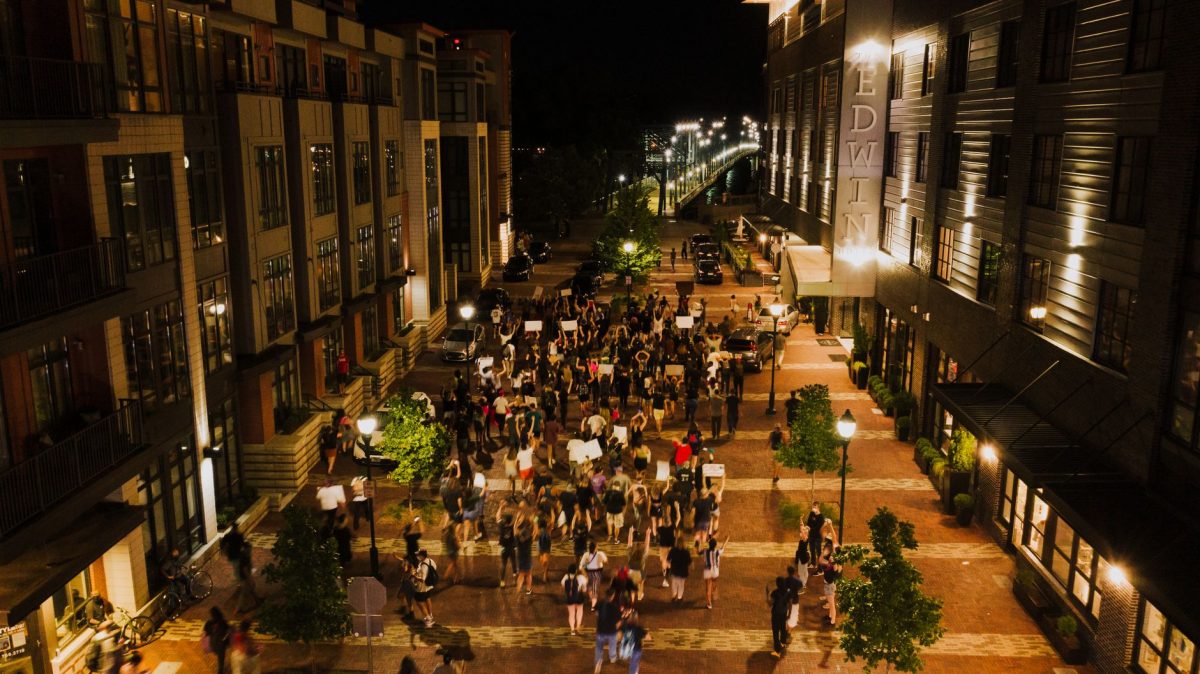
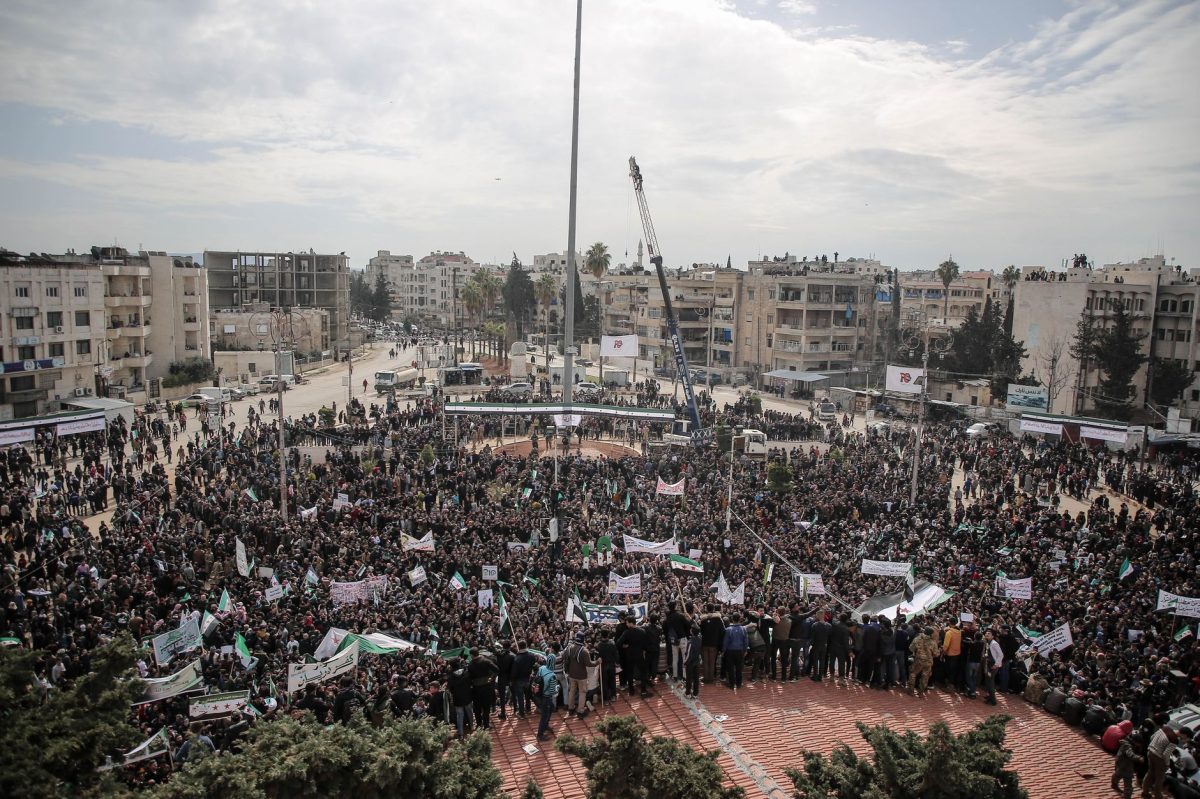
Thousands of protesters took to the streets of Belfast on Saturday to condemn the anti-immigrant rioting that erupted in the city earlier in the week. This event highlights the growing concerns about xenophobia and racism in Northern Ireland.
What Happened: A Descent into Chaos
According to an account by the BBC, the violence began on Tuesday night when a 20-year-old man was stabbed in a park in the north of the city. The victim, who has not been named, suffered serious injuries and was taken to the Royal Victoria Hospital. The stabbing was blamed on an asylum seeker, which sparked widespread outrage and anger in the community. The victim's family has since spoken out against the violence, calling for an end to the hate and intimidation that has plagued the city. The police have arrested several individuals in connection with the stabbing and subsequent rioting. The rioting, which lasted for several hours, saw homes and cars set on fire, with multiple people injured.
Why It Matters: A Broader Pattern of Xenophobia
The rioting in Belfast is just one example of a growing trend of xenophobia and racism in Northern Ireland. In recent years, there have been several high-profile incidents of hate crime, including attacks on mosques and other places of worship. The stabbing in Belfast has highlighted the need for greater tolerance and understanding in the community, and for authorities to take a stronger stance against hate crime. The lack of diversity in Northern Ireland's education system has also been cited as a contributing factor to the rise in xenophobia. According to a report by the Northern Ireland Human Rights Commission, only 2.5% of students in Northern Ireland come from ethnic minority backgrounds. This lack of diversity has been criticized as perpetuating a culture of intolerance and exclusion. The Irish government has announced plans to increase diversity in the education system, including the introduction of more diverse curricula and the recruitment of more teachers from ethnic minority backgrounds. However, critics argue that these efforts are not enough to address the root causes of xenophobia in Northern Ireland.


“We need to take a stand against hate and intolerance, and to promote a culture of acceptance and understanding in our communities," said Naomi Long, a local politician who attended the rally. "The stabbing in Belfast was a tragic reminder of the dangers of xenophobia and racism, and we must do everything in our power to prevent such incidents from happening again."”
What We Don't Know Yet: The Role of Social Media
While the rioting in Belfast was sparked by the stabbing, social media has played a significant role in fueling the violence. According to a report by the UK-based think tank, the Centre for Social Cohesion, social media platforms were used to spread hate speech and incite violence in the days leading up to the rioting. The report found that Twitter was the most popular platform for spreading hate speech, with many users using the hashtag #NotMyBelfast to express their opposition to immigration. However, the extent to which social media companies are responsible for spreading hate speech is unclear. While some argue that social media platforms have a responsibility to police their users and prevent the spread of hate speech, others argue that this is a complex issue that requires a more nuanced approach. The Northern Ireland Assembly has announced an investigation into the role of social media in the rioting, and the findings of this investigation are expected to be published in the coming weeks.
What to Watch: The Coming Days and Weeks
In the coming days and weeks, there are several key issues that will be worth monitoring. The Northern Ireland Assembly will be discussing the rioting and the role of social media in the coming days, and it is expected that there will be calls for greater regulation of social media companies. The police are also expected to release more information about the stabbing and the subsequent rioting, including the identities of those arrested and charged. Additionally, the Irish government is expected to announce further plans to increase diversity in the education system, including the introduction of more diverse curricula and the recruitment of more teachers from ethnic minority backgrounds. The impact of the rioting on the local community will also be worth monitoring, including the effect on businesses and residents who were affected by the violence.
Despite the recent surge in anti-immigrant sentiment, Northern Ireland has a long history of welcoming immigrants, with many people from ethnic minority backgrounds having made significant contributions to the country's economy, culture, and society. In fact, according to a report by the Northern Ireland Council for Ethnic Minorities, immigrants have made a net contribution of £1.2 billion to the Northern Ireland economy since 2004.
The rioting in Belfast is a stark reminder of the dangers of xenophobia and racism, and the need for greater tolerance and understanding in our communities. While the Irish government has announced plans to increase diversity in the education system, more needs to be done to address the root causes of xenophobia in Northern Ireland. In the coming days and weeks, it will be worth monitoring the impact of the rioting on the local community, and the steps taken by authorities to prevent such incidents from happening again.