Violence, Climate Shocks, and Hunger Push the Sahel to the Brink of Collapse: A Humanitarian Crisis Expands in West Africa

The Sahel region in West Africa has seen a surge in violence, with reports of armed groups attacking villages and towns. This violence has pushed the region to the brink of collapse, with widespread hunger and displacement affecting millions of people. The humanitarian crisis in the Sahel is a critical issue that requires immediate attention and action.
Sahel Region Hit by Surge in Violence
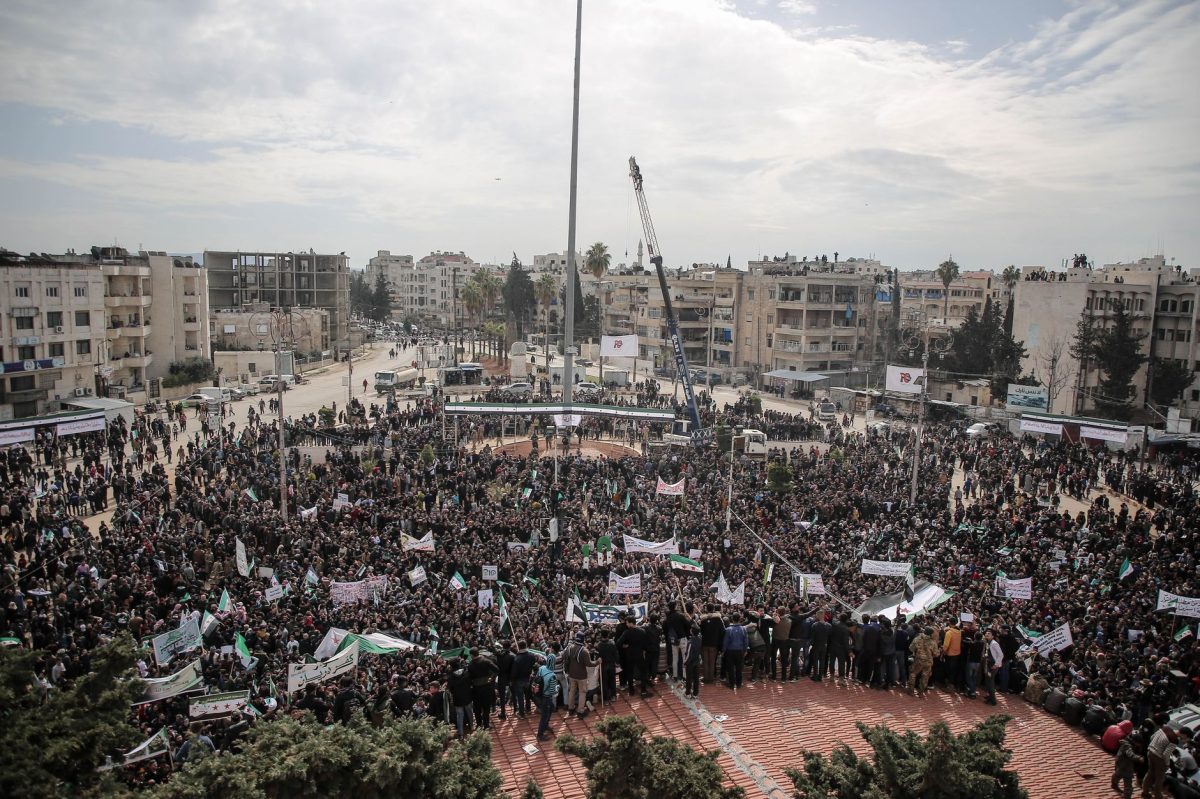
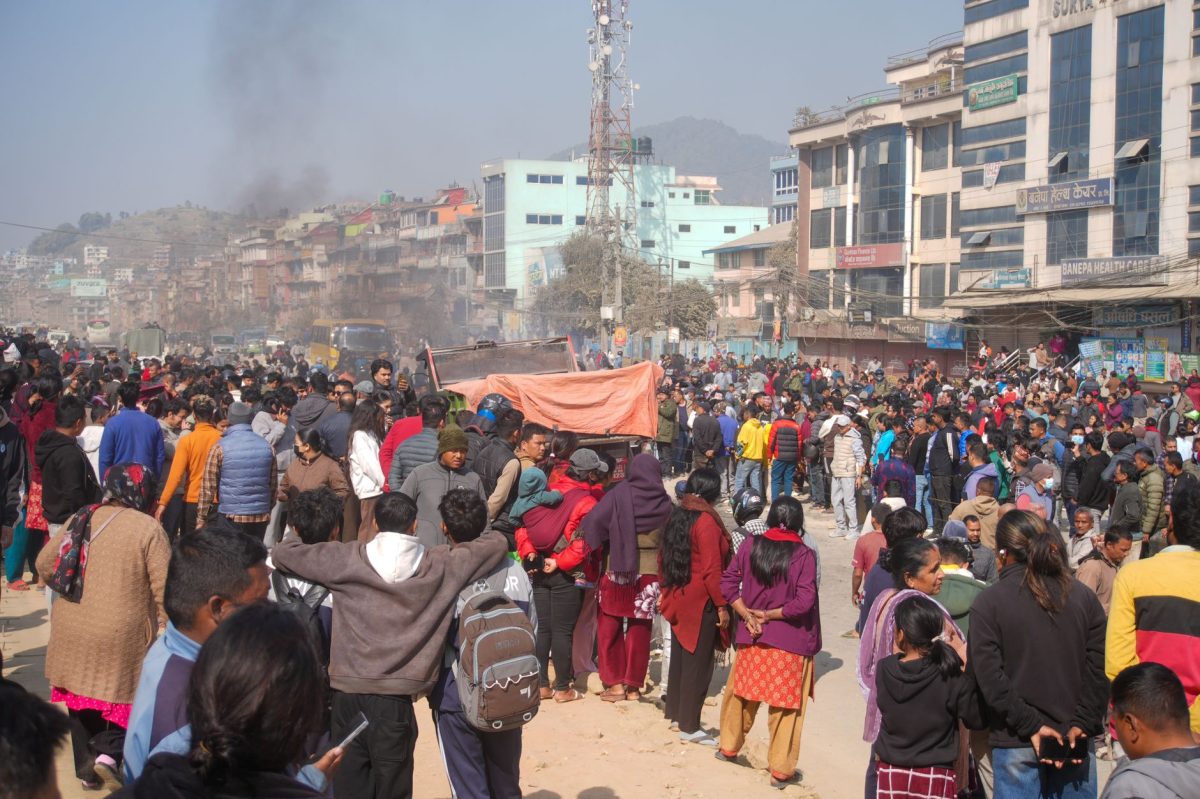
The Sahel region, which spans across eight countries in West Africa, has seen a significant increase in violence over the past few years. According to the United Nations, the Central Sahel has been particularly affected, with reports of armed groups attacking villages and towns. In 2020, the UN Office for the Coordination of Humanitarian Affairs (OCHA) reported that over 3.5 million people were displaced due to violence in the Central Sahel. The majority of these displacements occurred in Burkina Faso, Mali, and Niger. Account to the UNHCR, the humanitarian situation in the Sahel has worsened due to the spread of extremist groups, particularly in Burkina Faso and Niger. The situation has also been exacerbated by the presence of armed groups in the region, who have been responsible for several attacks on villages and towns. For example, in February 2020, an armed group attacked the village of Salmabad, in Burkina Faso, killing over 40 people and displacing hundreds of others. The UNHCR has warned that the humanitarian situation in the Sahel is likely to worsen in the coming months, due to ongoing violence and climate-related shocks.
Climate-Related Shocks Exacerbate the Crisis
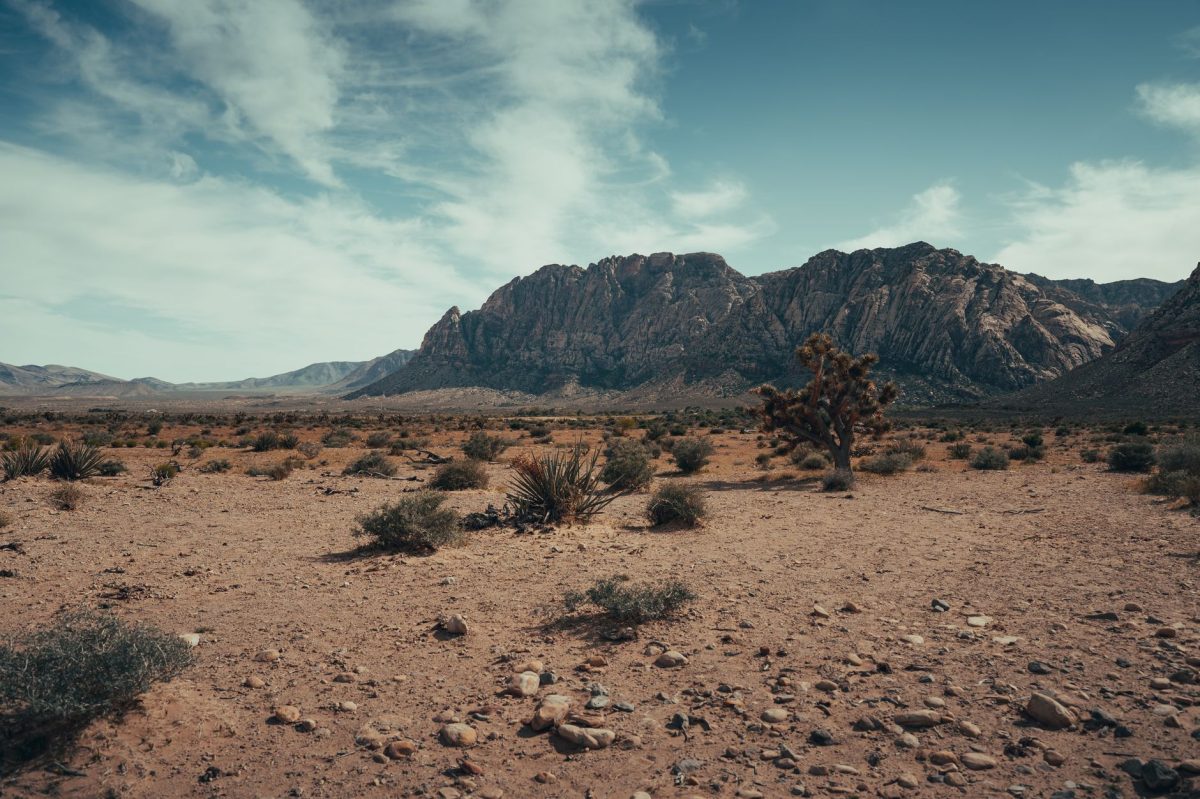
The Sahel region is also experiencing severe climate-related shocks, which are exacerbating the humanitarian crisis. According to the Intergovernmental Panel on Climate Change (IPCC), the Sahel region is one of the most vulnerable areas to climate change in the world. The region has seen a significant decrease in rainfall over the past few decades, leading to widespread drought and food insecurity. The situation has been worsened by the impact of climate change on agriculture, with many farmers struggling to grow crops due to changing weather patterns. Over 60% of the population in the Sahel region rely on agriculture for their livelihoods. The UN Food and Agriculture Organization (FAO) has warned that the Sahel region is likely to experience a significant increase in food insecurity due to climate-related shocks, with over 10 million people at risk of hunger. The FAO has also warned that the situation is likely to worsen due to ongoing violence and displacement, which are affecting farmers' ability to access land and resources. In addition to the impact on agriculture, climate-related shocks are also affecting the health and well-being of people in the Sahel region. According to the World Health Organization (WHO), the region has seen a significant increase in cases of water-borne diseases, such as cholera and diarrhea, due to the lack of access to clean water and sanitation facilities.
“The humanitarian situation in the Sahel region is critical, and it requires immediate attention and action. We urge the international community to provide support to the affected countries and to work together to address the root causes of the crisis.”
What We Don't Know Yet
Despite the severity of the humanitarian crisis in the Sahel region, there are still many unknowns. One of the key questions is the extent to which climate-related shocks are exacerbating the crisis. While the IPCC has warned that the Sahel region is one of the most vulnerable areas to climate change, the exact impact of climate-related shocks on the region is still unclear. The UNHCR has warned that the situation is likely to worsen due to climate-related shocks, but the exact extent of the impact is still unknown. Another key question is the role of armed groups in the crisis. While the UNHCR has reported that armed groups are responsible for several attacks on villages and towns, the exact extent of their involvement is still unclear. The situation is also complex, with multiple factors contributing to the crisis, including poverty, lack of access to education and healthcare, and poor governance. The UN has warned that the crisis requires a comprehensive approach, involving multiple stakeholders and sectors. The situation is also likely to worsen due to the impact of climate change on agriculture, with many farmers struggling to grow crops due to changing weather patterns. The FAO has warned that the situation is likely to worsen due to ongoing violence and displacement, which are affecting farmers' ability to access land and resources. In addition to the impact on agriculture, climate-related shocks are also affecting the health and well-being of people in the Sahel region, with a significant increase in cases of water-borne diseases expected.
Key Takeaways
- The Sahel region in West Africa has seen a surge in violence, with reports of armed groups attacking villages and towns.
- Over 14 million people across the Sahel region are in need of humanitarian aid due to ongoing violence and climate-related shocks.
- The humanitarian crisis in the Sahel region is likely to worsen in the coming months due to climate-related shocks and ongoing violence.
- The UNHCR has warned that the situation is likely to worsen due to climate-related shocks, with a significant increase in IDPs expected.
- The WHO has warned that the situation is critical, with a significant risk of a major public health emergency due to the lack of access to clean water and sanitation facilities.
What to Watch
The humanitarian crisis in the Sahel region is likely to worsen in the coming months. One of the key things to watch is the impact of climate-related shocks on the region. The UNHCR has warned that the situation is likely to worsen due to climate-related shocks, with a significant increase in IDPs expected. Another key thing to watch is the role of armed groups in the crisis. While the UNHCR has reported that armed groups are responsible for several attacks on villages and towns, the exact extent of their involvement is still unclear. The situation is also complex, with multiple factors contributing to the crisis, including poverty, lack of access to education and healthcare, and poor governance. The UN has warned that the crisis requires a comprehensive approach, involving multiple stakeholders and sectors. The situation is also likely to worsen due to ongoing violence and displacement, which are affecting farmers' ability to access land and resources. In addition to the impact on agriculture, climate-related shocks are also affecting the health and well-being of people in the Sahel region, with a significant increase in cases of water-borne diseases expected. The WHO has warned that the situation is critical, with a significant risk of a major public health emergency due to the lack of access to clean water and sanitation facilities. Key people to watch include Antu00f3nio Guterres, UN Secretary-General, and Henrietta Fore, UNICEF Executive Director. Realistic outcomes include a significant increase in IDPs, worsening food insecurity, and a major public health emergency.
The humanitarian crisis in the Sahel region is a critical issue that requires immediate attention and action. The region is already experiencing severe food insecurity, with over 10 million people at risk of hunger. The situation is likely to worsen due to ongoing violence and displacement, which are affecting farmers' ability to access land and resources. The UNHCR has warned that the situation is likely to worsen due to climate-related shocks, with a significant increase in IDPs expected. The WHO has warned that the situation is critical, with a significant risk of a major public health emergency due to the lack of access to clean water and sanitation facilities. The situation is complex, with multiple factors contributing to the crisis, including poverty, lack of access to education and healthcare, and poor governance. However, with immediate attention and action, it is possible to mitigate the effects of the crisis and prevent a major public health emergency.