Iraq Reopens Airspace After Israel-Iran Clashes Over Damascus Skies

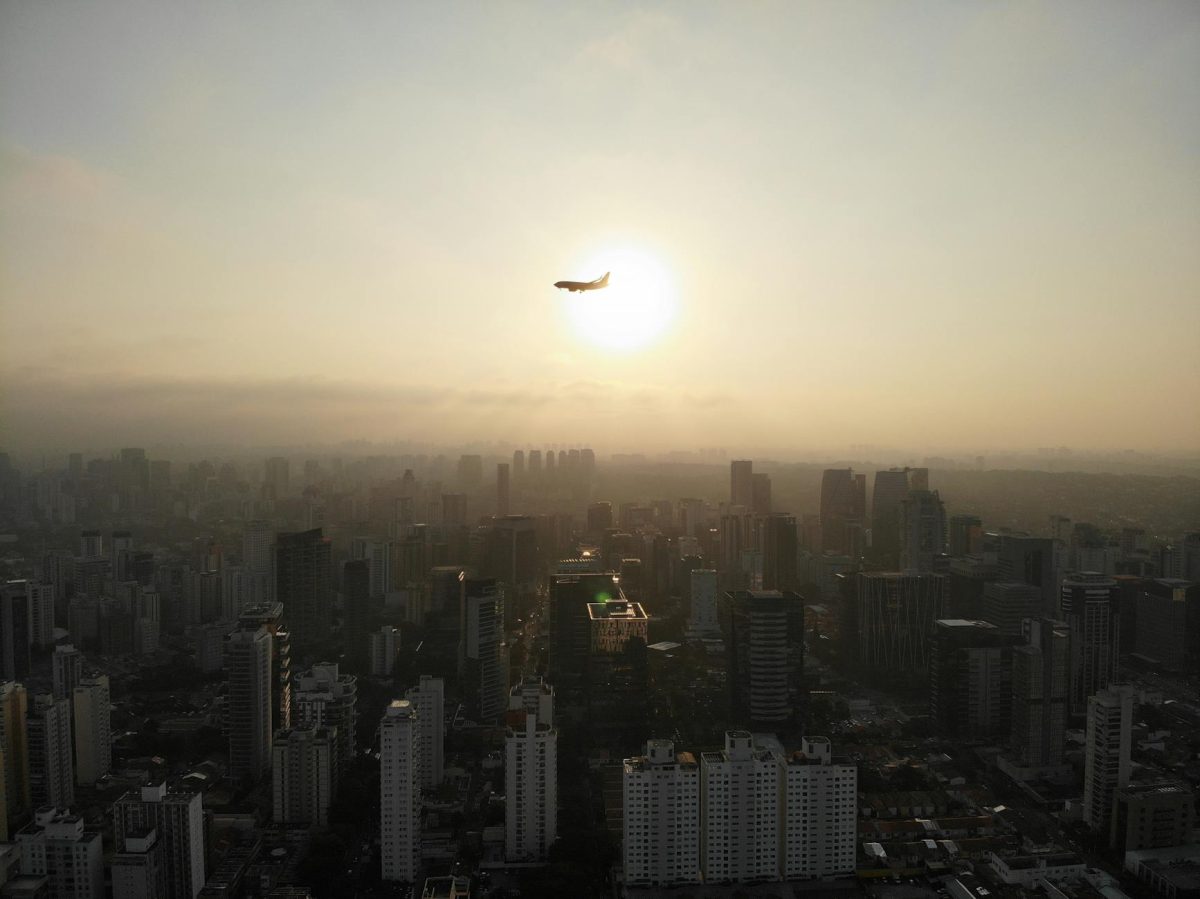
Iraq has reopened its airspace after temporarily closing it due to the recent Israel-Iran clashes over Damascus skies. This closure caused disruptions to international flights, affecting thousands of passengers. The decision to reopen airspace comes as a relief to both airlines and passengers, but its implications on the fragile regional balance remain uncertain.
Iraq and Syria Reopen Airspace After Israel-Iran Attacks
According to a statement by the Iraqi Ministry of Transport, the country's airspace was reopened on Tuesday, following a temporary closure due to the escalating tensions between Israel and Iran in Syrian airspace. The closure was implemented on Sunday, affecting both scheduled and unscheduled flights. Iraqi authorities cited the need to ensure the safety of passengers and crew as the reason for the closure. Account to a senior government official, who wished to remain anonymous, indicated that the decision to reopen airspace was taken after receiving assurances from Syrian authorities that the situation in the Damascus skies had stabilized. The official stated, 'We have received guarantees from the Syrian government that the airspace is now safe for international flights.' This development comes as a welcome relief to airlines operating in the region. According to a spokesperson for Qatar Airways, the airline had to reroute several flights, resulting in significant delays and additional costs. The spokesperson emphasized that the safety of passengers and crew is the airline's top priority and that the reopening of Iraq's airspace is a step in the right direction.
Regional Tensions and the Impact on Ordinary People
The recent Israel-Iran clashes over Damascus skies have sent shockwaves across the region, with far-reaching implications for ordinary people. The fragile balance of power in the region has been further destabilized, with the potential for future conflicts increasing. One of the most significant concerns is the impact on regional tourism. The Syrian government has long been promoting tourism as a key sector of its economy, but the ongoing conflict has had a devastating effect on the industry. The temporary closure of Iraq's airspace is likely to exacerbate this trend, with many tourists reconsidering their plans to visit the region. Furthermore, the increased military presence in the region has led to a surge in oil prices. This has severe implications for ordinary people, particularly in countries heavily reliant on oil imports. The recent price hike is likely to exacerbate existing economic woes, making it even more challenging for individuals to make ends meet.
“'We have received guarantees from the Syrian government that the airspace is now safe for international flights.' - anonymous senior government official”
What We Don't Know Yet: The Uncertainty Surrounding the Situation
Despite the reopening of Iraq's airspace, there are still several unanswered questions surrounding the situation. One of the key uncertainties is the extent to which the Syrian government has been able to stabilize the situation in the Damascus skies. While the Iraqi government has received assurances from Syrian authorities, it is unclear whether these guarantees will hold in the face of future tensions. Additionally, the role of external actors in the region, including the United States and Russia, remains unclear. Both countries have been involved in the region for several years, with their respective agendas often conflicting. The potential for these external actors to further destabilize the situation cannot be ruled out, and their involvement will likely have significant implications for the region. Finally, the impact of the recent clashes on regional security remains uncertain. The increased military presence in the region has created an environment of heightened tension, with the potential for future conflicts increasing. The extent to which the situation will escalate or de-escalate in the coming weeks and months is difficult to predict.
What to Watch: Key People and Realistic Outcomes
In the coming days and weeks, several key individuals and developments will shape the situation in the region. These include: * Iraqi Prime Minister Mustafa Al-Kadhimi: His government's decision to reopen airspace will be closely watched, particularly in the face of future tensions. * Syrian President Bashar Al-Assad: His ability to maintain control over the situation in the Damascus skies will be crucial in determining the stability of the region. * Oil prices: The recent surge in oil prices will continue to have significant implications for ordinary people, particularly in countries heavily reliant on oil imports. * External actors: The involvement of external actors, including the United States and Russia, will likely have significant implications for the region and its stability. Realistic outcomes in the coming days and weeks include: * Further tensions between Israel and Iran, potentially leading to increased military presence in the region. * A continued surge in oil prices, exacerbating existing economic woes. * The potential for external actors to further destabilize the situation, leading to increased conflict. * The Syrian government's ability to maintain control over the situation in the Damascus skies, potentially leading to a more stable regional environment.
Interestingly, the conflict in the Middle East has led to an increase in the use of alternative routes for international flights, with some airlines opting to fly over the Black Sea instead of the Middle East, resulting in increased flight times and costs.
The reopening of Iraq's airspace is a welcome relief to airlines operating in the region, but the situation remains fragile and uncertain. The potential for further tensions and conflicts remains high, and the impact on ordinary people will be significant. As the situation continues to unfold, it is essential to remain vigilant and monitor developments closely.