Israel Accuses Iran of Secret Petrochemical Complex After Strike

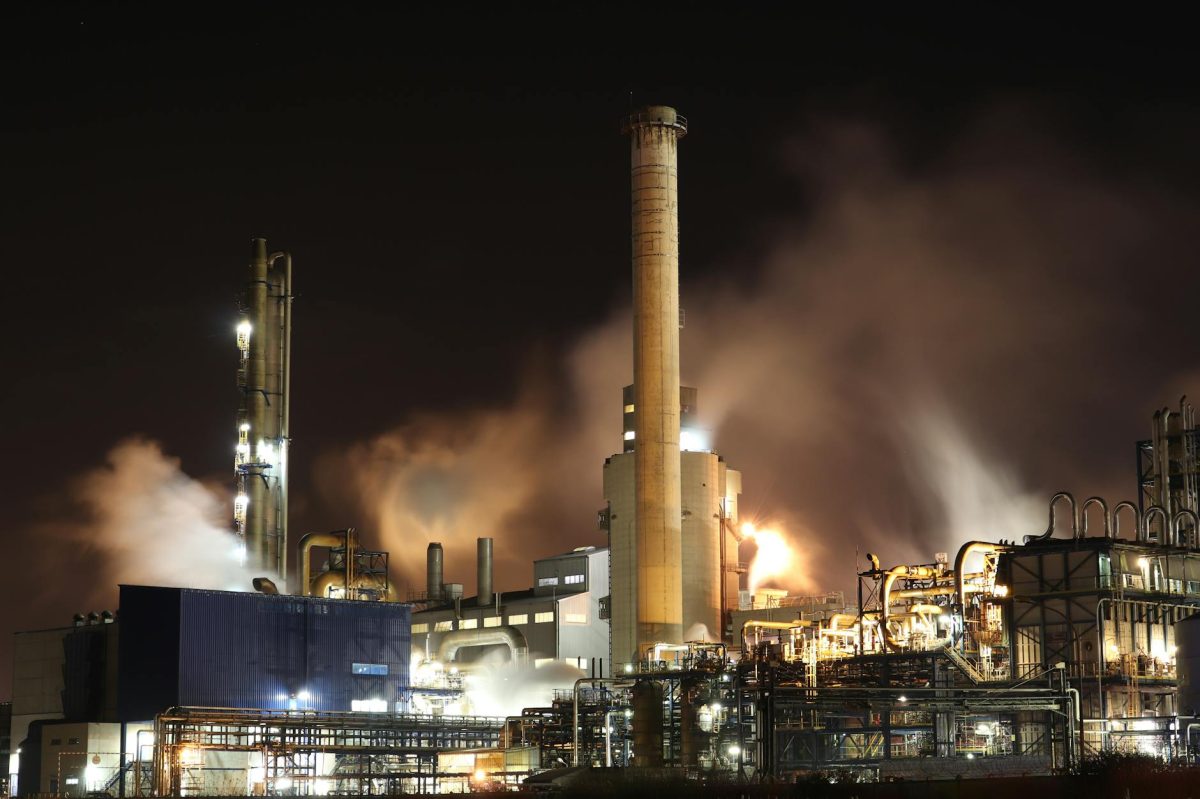
A video showing plumes of smoke rising from the Mahshahr Petrochemical Complex in Iran's Khuzestan Province on Monday has sparked international attention, with Israel accusing Iran of secretly building the facility. This development has significant implications for global energy markets and diplomatic relations between Israel and Iran. The complex is allegedly located near a sensitive military site, fueling concerns about the potential consequences of the strike.
Israel Claims Strike on Iranian Petrochemical Complex
According to an Israeli military spokesperson, the strike on the Mahshahr Petrochemical Complex was carried out on Monday by Israeli fighter jets, targeting a secret facility being built by Iran near a sensitive military site. The spokesperson, who wished to remain anonymous, stated that the complex was being used to develop advanced military capabilities, including the production of precision-guided munitions. Israeli officials claim that the facility was not listed on official maps or registries, suggesting that it was being built in secret. The strike resulted in significant damage to the complex, with eyewitnesses describing massive plumes of smoke rising from the area. The Iranian government has yet to issue an official statement regarding the strike, but local officials have confirmed that several people were injured in the incident. The Israeli military spokesperson stated that the strike was carried out to prevent Iran from acquiring advanced military capabilities that could threaten regional stability.
Why It Matters
The strike on the Mahshahr Petrochemical Complex has significant implications for global energy markets and diplomatic relations between Israel and Iran. The complex is allegedly located near a sensitive military site, which could mean that the strike has prevented Iran from acquiring advanced military capabilities that could threaten regional stability. This could lead to a shift in the balance of power in the region, with potential consequences for countries such as Saudi Arabia, the United Arab Emirates, and other nations that have been targeted by Iran's ballistic missile program. Additionally, the strike has sparked concerns about the potential for future conflicts between Israel and Iran, particularly with regards to the development of nuclear capabilities. The strike has also raised questions about the role of proxy forces in the conflict, with Iran's Revolutionary Guards Corps being accused of supporting militant groups in the region.


“The strike was carried out to prevent Iran from acquiring advanced military capabilities that could threaten regional stability. The Iranian government's secrecy surrounding the complex has only fueled our concerns about their intentions.”
What We Don't Know Yet
Despite the Israeli military's claims, several questions remain unanswered. The extent of the damage to the complex is still unclear, with reports indicating that several buildings were destroyed or damaged. The status of the personnel working at the complex is also unknown, with some reports suggesting that several people were killed or injured in the strike. Furthermore, the Iranian government has yet to issue an official statement regarding the strike, which has led to speculation about their response. The international community has been left in the dark about the exact nature and purpose of the complex, which has only added to the uncertainty surrounding the situation.
Key Takeaways
- Israel accuses Iran of secretly building a petrochemical complex in Khuzestan Province.
- The strike on the complex resulted in significant damage and injured several people.
- The Iranian government has yet to issue an official statement regarding the strike.
- The Israeli military claims that the complex was being used to develop advanced military capabilities.
- The situation is likely to remain volatile in the coming days.
What to Watch
In the coming days, several key individuals and developments will be worth monitoring. The Iranian government's response to the strike is expected to be critical, with some analysts predicting a significant escalation of tensions between Israel and Iran. The United States, which has been a key ally of Israel in the region, is also expected to play a significant role in the aftermath of the strike. Additionally, the international community will be watching for any signs of increased military activity in the region, particularly with regards to the development of ballistic missile capabilities. The situation is likely to remain volatile in the coming days, with the potential for further conflict between Israel and Iran.
Despite being a major oil producer, Iran is forced to import a significant portion of its gasoline due to a lack of refining capacity, making it vulnerable to disruptions in global energy markets.
The strike on the Mahshahr Petrochemical Complex has significant implications for global energy markets and diplomatic relations between Israel and Iran. While the exact nature and purpose of the complex remain unclear, one thing is certain: the situation in the Middle East is increasingly complex and volatile, with the potential for further conflict between Israel and Iran. As the international community watches the developments unfold, it is essential to remain calm and grounded, recognizing the potential consequences of the strike and the need for a balanced and nuanced approach to the situation.