The Truth About Wednesday's Petrol Price Hike Is More Complicated Than You Think

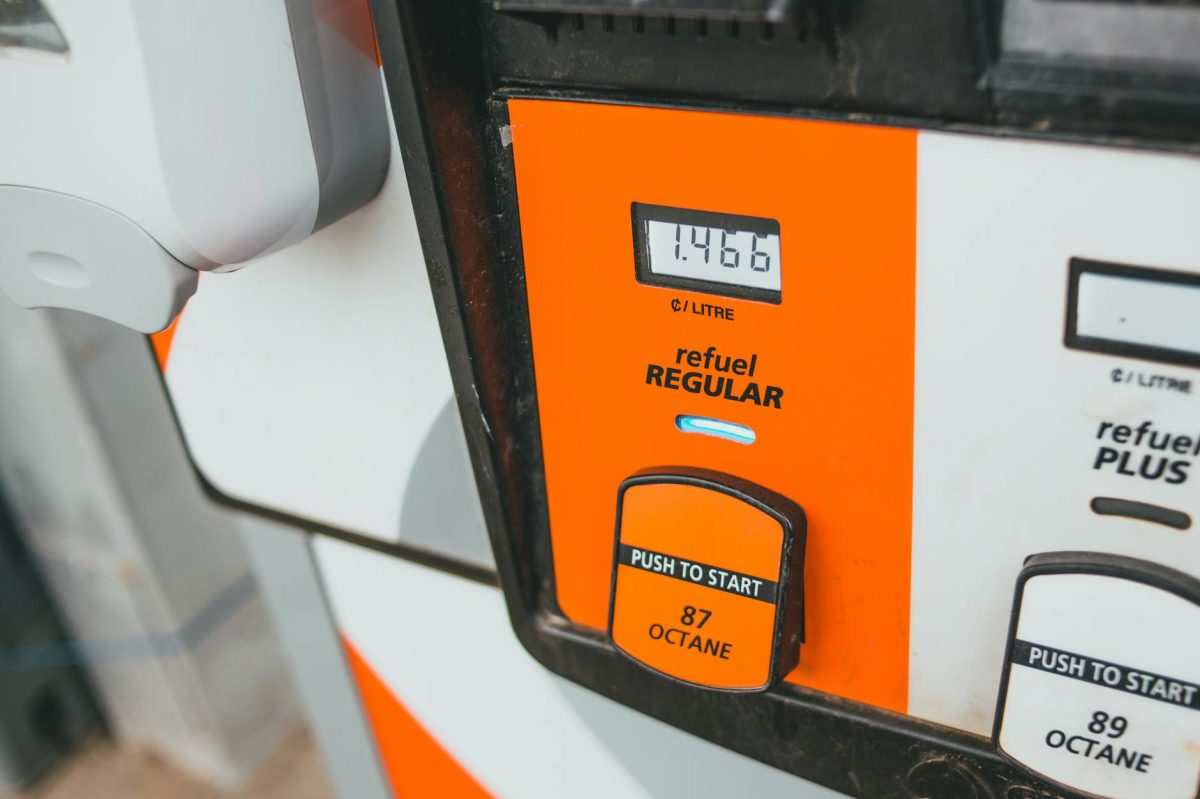
A R18.28 billion shortfall in the slate fund has caused a significant increase in the slate levy, leading to a 35.04 cents per litre hike in petrol prices. This change affects millions of South Africans who rely on their vehicles for daily commutes, impacting their livelihoods and overall well-being. The petrol price hike is a complex issue with far-reaching consequences, and understanding its implications is crucial for policymakers and ordinary citizens alike.
WHAT HAPPENED
According to a statement released by the South African National Treasury, a massive R18.28 billion negative balance in the slate fund has led to a 35.04 cents per litre increase in the slate levy. The slate fund is a mechanism used to stabilize fuel prices and provide a buffer against fluctuations in the global oil market. The Treasury attributed the shortfall to a combination of factors, including a decrease in fuel sales and an increase in the cost of importing fuel. As a result, the fuel price adjustment was implemented on Wednesday, affecting petrol prices nationwide.
WHY IT MATTERS
The increase in petrol prices has significant implications for ordinary South Africans. For those who rely on their vehicles for daily commutes, this price hike means higher transportation costs, which can be a substantial burden on their budgets. The increased fuel prices also affect the overall cost of living, as higher transportation costs are often passed on to consumers in the form of higher prices for goods and services. Furthermore, the petrol price hike has broader implications for the economy, as higher fuel costs can impact business operations, supply chains, and ultimately, economic growth.

“The Treasury's decision to increase the slate levy is a necessary step to stabilize the fuel price, but it also highlights the need for a more sustainable energy policy. We urge policymakers to consider the long-term implications of their decisions and work towards creating a more equitable and sustainable energy future for all South Africans.”
WHAT WE DON'T KNOW YET
While the current petrol price hike is a significant development, there are still many unanswered questions about the long-term implications of this decision. One key question is how the increased fuel prices will impact the economy, particularly small businesses and low-income households that are already struggling to make ends meet. Another question is whether the slate fund is sufficient to cover the increased fuel prices, or whether further adjustments will be necessary in the coming months. Additionally, there is a need for more transparency and accountability in the fuel price adjustment process, including regular updates on the slate fund's balance and the factors driving fuel price volatility.
Key Takeaways
- A R18.28 billion negative balance in the slate fund led to a 35.04 cents per litre increase in the slate levy, affecting petrol prices nationwide.
- The petrol price hike has significant implications for ordinary South Africans, including higher transportation costs and a potential increase in the cost of living.
- The increased fuel prices also have broader implications for the economy, including higher costs for businesses and a potential impact on economic growth.
- A more comprehensive energy policy that takes into account the needs of all stakeholders is crucial for creating a more stable and sustainable energy future.
WHAT TO WATCH
In the coming days and weeks, we can expect to see the impact of the petrol price hike on the economy and consumer behaviour. Key indicators to watch include the inflation rate, which is likely to increase in the short-term due to higher fuel prices, and the impact on business operations, particularly in sectors that rely heavily on transportation. Additionally, we can expect to see increased scrutiny of the fuel price adjustment mechanism and the slate fund, with calls for greater transparency and accountability. The Treasury and policymakers will also be under pressure to provide clear guidance on how they will address the long-term implications of the petrol price hike and create a more sustainable and equitable energy policy.
Interestingly, a study found that for every 10% increase in fuel prices, there is a corresponding 2.5% decrease in fuel consumption, highlighting the complex relationship between fuel prices and consumer behaviour.
The petrol price hike is a complex issue with far-reaching consequences that require a nuanced understanding of the underlying factors driving fuel price volatility. While the current decision to increase the slate levy is necessary, it also highlights the need for a more sustainable and equitable energy policy. By examining the implications of this decision and working towards a more comprehensive energy policy, we can create a more stable and sustainable energy future for all South Africans.