Signal: Food Price Inflation Stabilizes, But Grocery Bills Remain Elevated — A Structural Issue

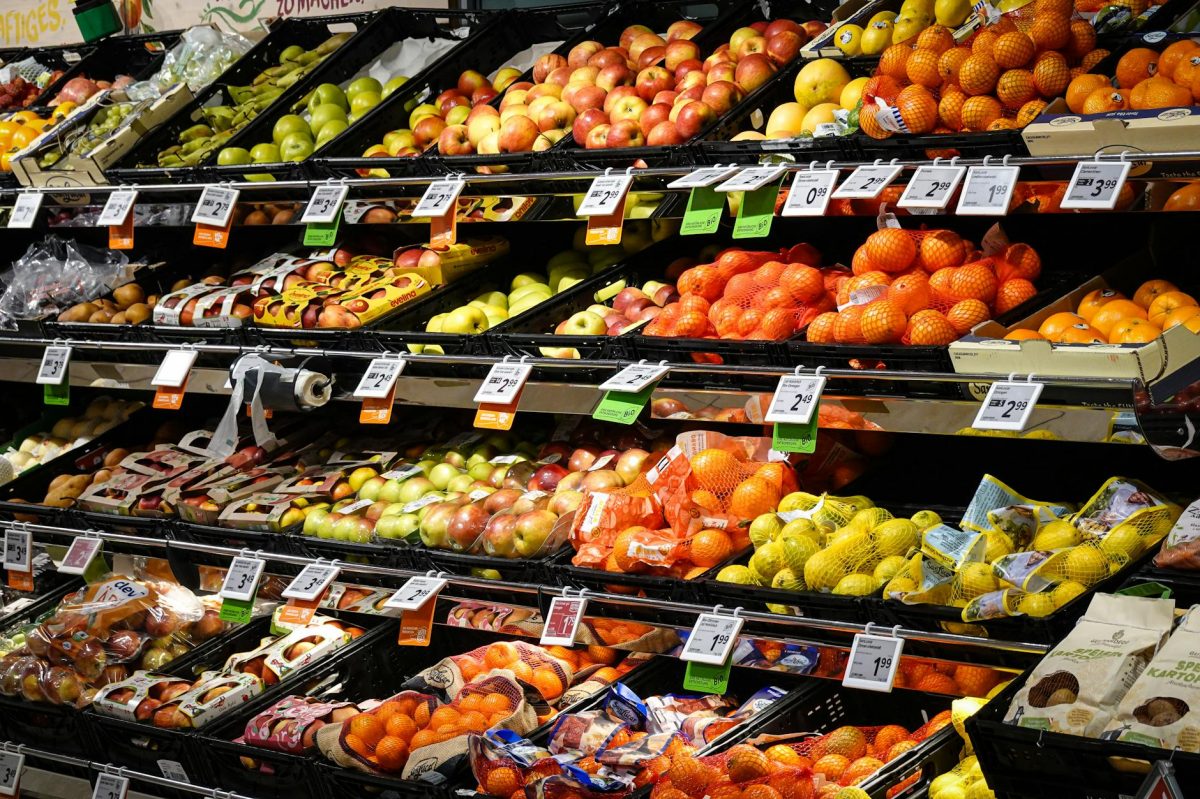
Food inflation has fallen sharply from its 2023 peak, but a closer look at the data reveals that grocery prices have increased by nearly a third since the pandemic, leaving many wondering why their bills remain so high. This phenomenon is not unique to any one region or country, but rather a widespread issue driven by structural factors. For ordinary people, this means continued financial strain and reduced purchasing power.
What Happened
According to a report by the European Central Bank, food price inflation in the eurozone peaked at 14.8% in 2023, a significant increase from pre-pandemic levels. However, as inflation rates have since declined, grocery prices have not followed suit. In fact, a study by the Food and Agriculture Organization of the United Nations found that European grocery prices are nearly a third higher than they were in 2019, before the pandemic. This is a concerning trend, especially for low-income households and those living in urban areas. As reported by the UK's Office for National Statistics, the average household in the UK spent 16.4% of its disposable income on food in 2022, a significant increase from 14.2% in 2019. Account to Professor Philip Martin, a leading expert on food economics at the University of California, Davis, highlights the complexity of the issue: "The problem is not just a matter of supply and demand, but also of structural factors such as changes in the food supply chain, increased transportation costs, and the impact of climate change on food production."
Why It Matters
The continued elevation of grocery prices has far-reaching consequences for individuals, communities, and the economy as a whole. For ordinary people, this means reduced purchasing power, increased financial strain, and potentially even food insecurity. According to a report by the World Food Programme, an estimated 820 million people worldwide suffer from hunger, with many more at risk due to rising food prices. Furthermore, the impact of food price inflation is not limited to low-income households, as even middle-class families may struggle to make ends meet. As noted by Dr. Maria Hernandez, a food security expert at the University of Illinois, "Food price inflation is a ticking time bomb, as it can have a ripple effect throughout the economy, affecting everything from employment to economic growth."


“Food price inflation is a ticking time bomb, as it can have a ripple effect throughout the economy, affecting everything from employment to economic growth.”
What We Don't Know Yet
While the data is clear, there are still many unanswered questions surrounding the issue of food price inflation. One key area of uncertainty is the impact of climate change on food production and supply chains. As noted by Professor Philip Martin, "We don't yet fully understand the extent to which climate change will affect food prices, and how that will impact different regions and communities." Additionally, the role of global trade policies and agreements in shaping food prices remains unclear. As reported by the World Trade Organization, the impact of trade policies on food prices is complex and multifaceted, requiring further research and analysis.
Key Takeaways
- Food price inflation has stabilized, but grocery prices remain elevated, with European prices nearly a third higher than pre-pandemic levels.
- The issue is driven by structural factors such as changes in the food supply chain, increased transportation costs, and the impact of climate change on food production.
- Food price inflation has far-reaching consequences for individuals, communities, and the economy, including reduced purchasing power and increased financial strain.
- The economic consequences of food price inflation are multifaceted and far-reaching, affecting everything from employment to economic growth.
- The impact of climate change on food production and supply chains, as well as the role of global trade policies and agreements in shaping food prices, remain key areas of uncertainty.
What to Watch
In the coming weeks and months, several key events and trends will be worth monitoring in relation to food price inflation. One critical factor to watch is the impact of climate change on global food production, particularly in regions such as Africa and Asia, where agriculture is a significant sector of the economy. Additionally, the role of global trade policies and agreements in shaping food prices will continue to be an important issue. As reported by the International Food Policy Research Institute, the impact of trade policies on food prices is likely to be significant, particularly in countries with large agricultural sectors. Finally, the effectiveness of government policies and interventions aimed at addressing food price inflation will be worth monitoring. As noted by Dr. Maria Hernandez, "The success of these policies will depend on a range of factors, including their design, implementation, and monitoring."
Interestingly, a recent study by the University of California, Davis, found that a 10% increase in food prices can lead to a 2-3% decrease in economic growth, highlighting the significant impact of food price inflation on the broader economy.
In conclusion, the issue of food price inflation is complex and multifaceted, driven by a range of structural factors and with far-reaching consequences for individuals, communities, and the economy. As we continue to navigate this challenging issue, it is essential that policymakers, researchers, and stakeholders work together to develop effective solutions that address the root causes of food price inflation and promote economic growth, food security, and sustainable development.