US Inflation Surges to 3.8% Amid Iran War Fuel Price Spike

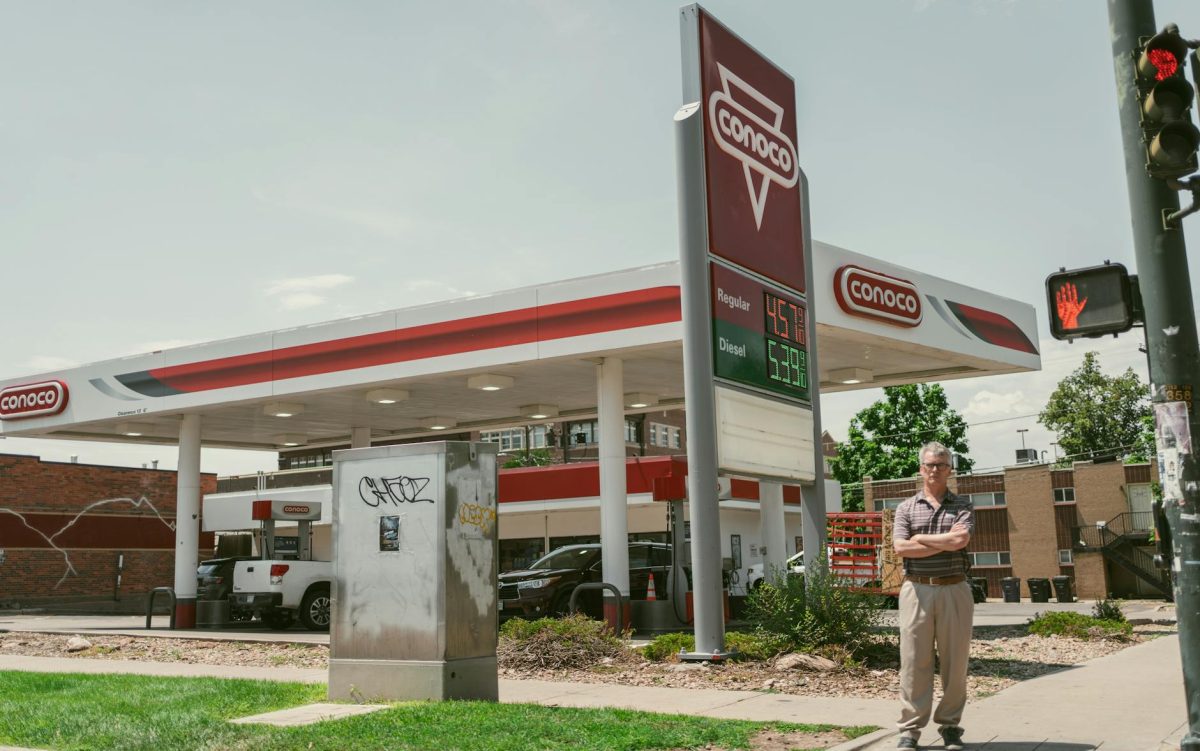
The US inflation rate increased to 3.8% in April, exceeding expectations and reaching its highest level since May 2023, according to the Bureau of Labor Statistics. This surge is primarily attributed to the sharp rise in energy costs, particularly fuel prices, following the outbreak of the Iran war. The escalation in fuel prices is having a significant impact on consumers, and its effects are being felt across the country.
US Inflation Rate Hits 3.8%: Key Details
The US inflation rate jumped to 3.8% in April, marking its highest level since May 2023, as reported by the Bureau of Labor Statistics. According to data from the BLS, the consumer price index (CPI) rose 0.4% in April, led by a 2.2% increase in energy costs. The surge in energy prices was driven by the ongoing Iran war, which has disrupted global oil supplies and led to a significant increase in fuel prices. In an interview with the Wall Street Journal, economist Mark Zandi stated that the Iran war has created a perfect storm for oil prices, leading to the current surge in fuel costs. The BLS reported that the energy index rose 2.2% in April, with gasoline prices increasing by 3.3% and natural gas prices rising by 3.1%. The Iran war has also led to a significant rise in food prices, with the food index increasing by 1.3% in April, driven by higher costs for meat, poultry, and fish. The BLS noted that the CPI rose 0.4% in April, with the core inflation rate, which excludes food and energy, increasing by 0.3%. The 3.8% inflation rate surpassed expectations, with economists forecasting a rate of 3.5% in April. The Iran war has created a complex and uncertain economic environment, and the impact of the war on the US economy will continue to unfold in the coming months.
Why the Iran War Fuel Price Spike Matters
The surge in fuel prices due to the Iran war has significant implications for consumers, businesses, and the overall economy. For ordinary people, the increase in fuel prices means higher costs for everyday items, such as groceries and household goods, which are often transported by truck or other fuel-powered vehicles. The BLS reported that the food index rose 1.3% in April, driven by higher costs for meat, poultry, and fish. This increase in food prices will have a disproportionate impact on low-income households, who spend a larger portion of their income on food. Additionally, the rise in fuel prices will also lead to higher costs for businesses, particularly those in the transportation and logistics sectors. This could lead to increased prices for goods and services, which will further exacerbate the inflationary pressures in the economy. Furthermore, the Iran war has created a complex and uncertain economic environment, and the impact of the war on the US economy will continue to unfold in the coming months. The US government has taken steps to mitigate the impact of the war on the economy, including releasing oil from the Strategic Petroleum Reserve and imposing sanctions on Iran. However, the effectiveness of these measures remains to be seen, and the situation is likely to remain volatile in the short term. In an interview with the Financial Times, economist Nouriel Roubini stated that the Iran war has created a perfect storm for the global economy, and the impact of the war on the US economy will be significant. The Iran war has also led to a significant rise in inflation expectations, with the University of Michigan's consumer sentiment survey showing a significant increase in inflation expectations among consumers. This increase in inflation expectations could lead to higher interest rates, which would further exacerbate the inflationary pressures in the economy.


“The Iran war has created a perfect storm for oil prices, leading to the current surge in fuel costs.”
What We Don't Know Yet
The Iran war has created significant uncertainty and volatility in the global economy, and there are still many unknowns about the impact of the war on the US economy. One key question is how long the Iran war will last and what the ultimate outcome of the conflict will be. The war has already led to a significant increase in fuel prices, but the full impact of the war on the economy is still to be seen. Additionally, the effectiveness of the US government's measures to mitigate the impact of the war on the economy remains to be seen. The Iran war has also raised questions about the stability of the global oil market and the impact of the war on oil supplies. The war has led to a significant increase in the price of oil, which has been exacerbated by the ongoing conflict in the Middle East. The US government has taken steps to release oil from the Strategic Petroleum Reserve, but the effectiveness of these measures remains to be seen. The Iran war has also raised concerns about the impact of the war on other commodities, such as food and metals, and the impact of the war on the global economy. The war has already led to a significant increase in inflation expectations among consumers, which could lead to higher interest rates and further exacerbate the inflationary pressures in the economy. In an interview with the Bloomberg, economist Mohamed El-Erian stated that the Iran war has created a perfect storm for the global economy, and the impact of the war on the US economy will be significant.
What to Watch
In the coming days and weeks, there are several key developments to watch regarding the Iran war and its impact on the US economy. One key indicator to watch is the price of oil, which has already risen significantly due to the war. A further increase in oil prices could exacerbate the inflationary pressures in the economy and lead to higher costs for consumers. Additionally, the effectiveness of the US government's measures to mitigate the impact of the war on the economy, such as releasing oil from the Strategic Petroleum Reserve, will be closely watched. The impact of the war on other commodities, such as food and metals, will also be closely watched, as well as the impact of the war on inflation expectations and interest rates. The Iran war has created a complex and uncertain economic environment, and the impact of the war on the US economy will continue to unfold in the coming months. The US government has taken steps to mitigate the impact of the war on the economy, but the effectiveness of these measures remains to be seen.
The Iran war has created a complex and uncertain economic environment, and the impact of the war on the US economy will continue to unfold in the coming months. The US government has taken steps to mitigate the impact of the war on the economy, but the effectiveness of these measures remains to be seen. The Iran war has already led to a significant increase in fuel prices, and the full impact of the war on the economy is still to be seen. The US inflation rate has risen to 3.8%, its highest level since May 2023, and the impact of the war on inflation expectations and interest rates will be closely watched in the coming days and weeks. The Iran war has created a perfect storm for the global economy, and the impact of the war on the US economy will be significant.