Israeli Forces Kill Palestinian Worker Climbing West Bank Separation Wall

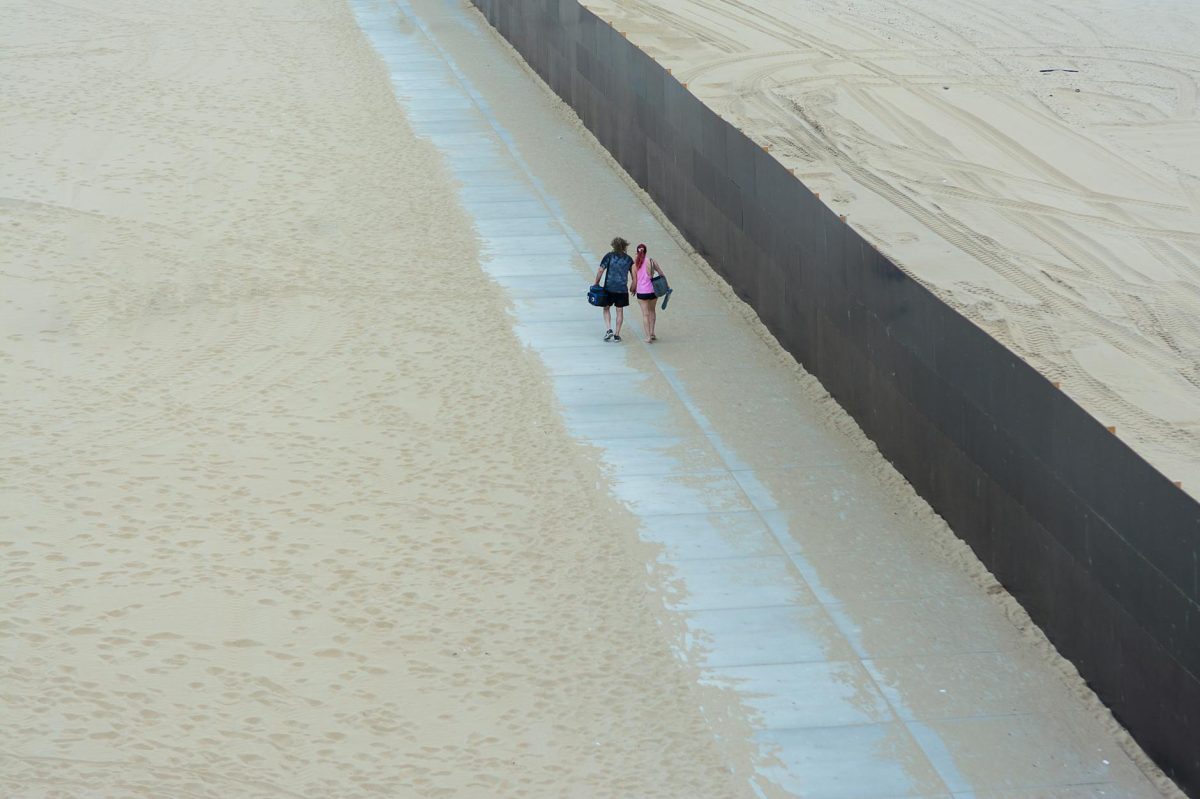
Muhammad al-Azab, a 35-year-old Palestinian worker, was shot and killed by Israeli forces while attempting to climb the West Bank separation wall near the city of Hebron on Sunday. This incident highlights the long-standing tensions and human rights concerns surrounding the separation wall, which has been a contentious issue for decades. The wall, constructed in the early 2000s, has been the subject of numerous protests and lawsuits, with critics arguing that it has severely impacted the lives of Palestinians living in the West Bank and Gaza Strip.
Details of the Incident
According to eyewitness accounts and a Palestinian human rights group, Al-Haq, Muhammad al-Azab was shot and killed by Israeli forces while attempting to climb the West Bank separation wall near the city of Hebron on Sunday. The incident occurred at approximately 10:00 AM local time, with multiple eyewitnesses reporting that al-Azab was shot multiple times after being ordered to stop by Israeli soldiers. An account from a local resident, who wished to remain anonymous, described the scene: 'I saw the man climbing the wall, and then suddenly, the soldiers started shooting. I couldn't believe my eyes, it was like a nightmare come to life.' Al-Haq has confirmed that al-Azab was a 35-year-old Palestinian worker from the Hebron area and that he was unarmed at the time of the incident. The Israeli military has yet to comment on the incident, with no official statement released as of Sunday evening. The Israeli military's use of live ammunition against unarmed Palestinian civilians raises serious concerns about the military's adherence to international human rights norms.
Why It Matters
The killing of Muhammad al-Azab highlights the long-standing tensions and human rights concerns surrounding the West Bank separation wall. The wall, constructed in the early 2000s, has been a contentious issue for decades, with critics arguing that it has severely impacted the lives of Palestinians living in the West Bank and Gaza Strip. According to a 2019 report by the International Committee of the Red Cross (ICRC), the wall has resulted in the displacement of over 100,000 Palestinians, with many forced to live in areas with limited access to basic necessities such as healthcare, education, and employment. The wall has also been criticized for its role in perpetuating the Israeli occupation, with many seeing it as a symbol of Israel's control over Palestinian territory. The separation wall has been widely condemned by the international community, with the UN General Assembly passing a resolution in 2003 calling for its demolition.

“The killing of Muhammad al-Azab is a stark reminder of the human cost of the Israeli occupation and the need for a two-state solution to this conflict. - UN Special Coordinator for the Middle East Peace Process, Nickolay Mladenov, in a statement on the incident”
What We Don't Know Yet
While the details of the incident are still emerging, there are several questions that remain unanswered. The Israeli military has yet to comment on the incident, with no official statement released as of Sunday evening. It is unclear whether the Israeli military will conduct a thorough investigation into the incident, and if so, what the outcome of such an investigation would be. Additionally, there are concerns about the use of live ammunition by the Israeli military against unarmed Palestinian civilians, with many criticizing the military's tactics as excessive and disproportionate. The lack of transparency and accountability from the Israeli military raises concerns about the rule of law and the protection of human rights in the occupied territories.
Key Takeaways
- Muhammad al-Azab, a 35-year-old Palestinian worker, was shot and killed by Israeli forces while attempting to climb the West Bank separation wall near the city of Hebron on Sunday.
- The Israeli military has yet to comment on the incident, with no official statement released as of Sunday evening.
- The separation wall has been a contentious issue for decades, with critics arguing that it has severely impacted the lives of Palestinians living in the West Bank and Gaza Strip.
- The killing of Muhammad al-Azab highlights the long-standing tensions and human rights concerns surrounding the separation wall.
- The international community is likely to respond to the incident, with the UN Special Coordinator for the Middle East Peace Process, Nickolay Mladenov, already issuing a statement condemning the killing.
What to Watch
In the coming days, there are several key developments to watch. The Israeli military is expected to release a statement on the incident, which could provide some clarity on the circumstances surrounding al-Azab's death. The Palestinian Authority has also announced plans to launch an investigation into the incident, with President Mahmoud Abbas calling for international intervention. Additionally, the international community is likely to respond to the incident, with the UN Special Coordinator for the Middle East Peace Process, Nickolay Mladenov, already issuing a statement condemning the killing. The next 24-72 hours will be critical in determining the outcome of this incident and the broader implications for the Israeli-Palestinian conflict.
According to a 2019 report by the International Committee of the Red Cross (ICRC), the separation wall has resulted in the displacement of over 100,000 Palestinians since its construction in the early 2000s.
The killing of Muhammad al-Azab is a tragic reminder of the ongoing tensions and human rights concerns surrounding the West Bank separation wall. As the international community responds to this incident, it is essential to recognize the broader implications for the Israeli-Palestinian conflict and the need for a two-state solution to bring an end to this conflict once and for all.