Israeli Forces Intercept Dozens of Gaza-Bound Aid Boats with 'Fully Equipped Naval Fleet

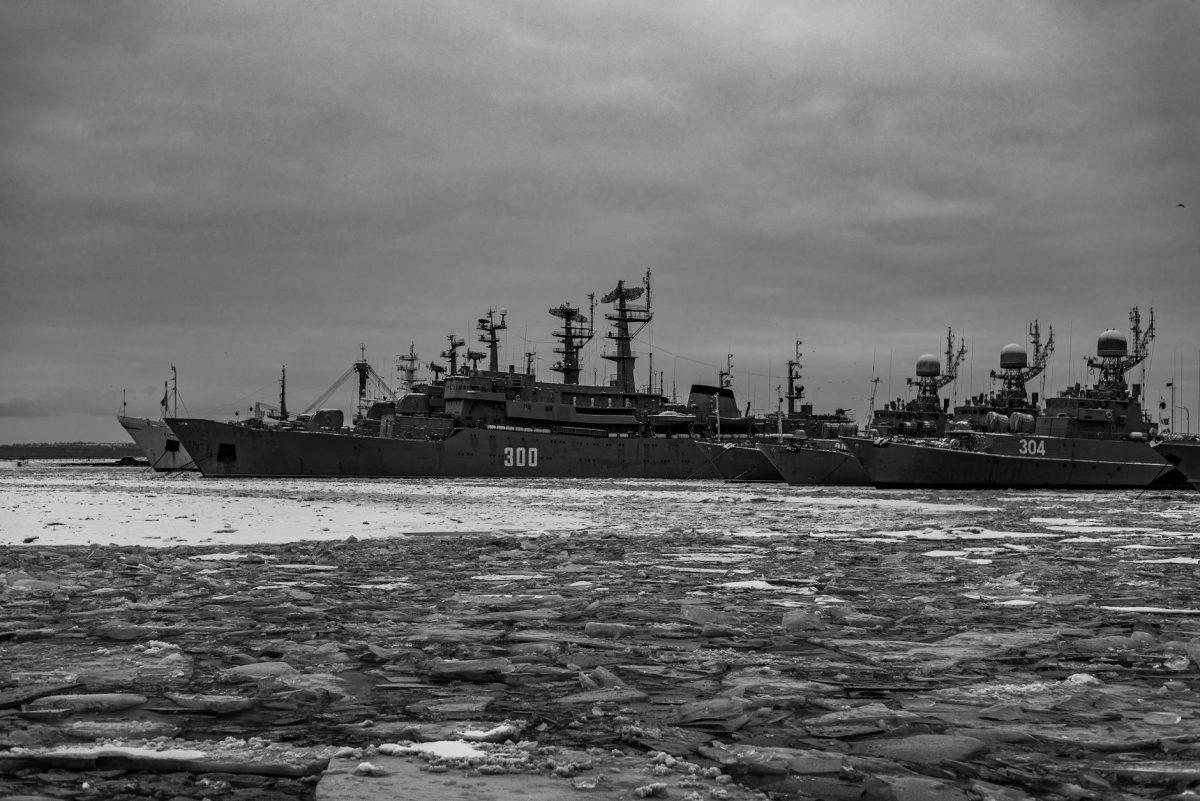
Israeli forces intercepted dozens of boats on Monday that were attempting to deliver aid to the Gaza Strip. This latest incident highlights the ongoing tensions between Israel and Palestinian territories, with aid delivery becoming a focal point of the conflict. The interception raises concerns about the humanitarian crisis in Gaza, where thousands of people rely on aid to survive. The international community is closely monitoring the situation.
Dozens of Gaza-Bound Aid Boats Intercepted by Israeli Forces on Monday
According to eyewitnesses, Israeli naval units intercepted dozens of boats in the early hours of Monday, citing security concerns. The boats were attempting to deliver aid to the Gaza Strip, which has been under a blockade imposed by Israel since 2007. The interception occurred off the coast of Gaza, with Israeli forces boarding the boats and confiscating aid supplies. Account to the Israeli Defense Forces (IDF) spokesperson, the boats were carrying 'hundreds of tons' of aid, including food, medicine, and construction materials. One of the aid boats was reportedly carrying a shipment of medical equipment, including oxygen tanks and defibrillators. The Israeli forces stated that the aid was intended to support Hamas, a militant group that has controlled Gaza since 2007. The IDF spokesperson claimed that the aid was a 'clear attempt' to provide material support to Hamas, which is prohibited under international law. The interception has sparked outrage among aid organizations and human rights groups, who argue that the aid was intended to benefit civilians in Gaza, not Hamas.
Why Aid Delivery to Gaza Matters
The interception of aid boats highlights the ongoing humanitarian crisis in Gaza, where thousands of people rely on aid to survive. Gaza has been under a blockade since 2007, which has led to widespread poverty, unemployment, and food insecurity. The blockade has also severely limited the movement of people and goods, making it difficult for aid to reach those in need. The international community has called for the lifting of the blockade, but Israel has maintained that it is necessary for security reasons. The World Health Organization (WHO) has reported that Gaza's healthcare system is on the brink of collapse, with shortages of medical supplies and staff. The interception of aid boats has also raised concerns about the impact on civilians in Gaza, who rely on aid to access basic necessities like food, water, and healthcare. As the situation in Gaza continues to deteriorate, the international community must find a way to ensure that aid reaches those who need it most, while also addressing the underlying causes of the humanitarian crisis.

“'We are deeply concerned about the interception of aid boats by Israeli forces. The aid was intended to support civilians in Gaza, not Hamas. We urge the Israeli government to reconsider its policy and allow aid to reach those who need it most.' - A spokesperson for the Norwegian Refugee Council, one of the aid organizations involved in the intercepted shipment.”
What We Don't Know Yet
The interception of aid boats has raised several questions about the intentions of the Israeli government and the true nature of the aid supplies. While the IDF has claimed that the aid was intended to support Hamas, aid organizations argue that the supplies were meant to benefit civilians in Gaza. The exact amount of aid confiscated by Israeli forces is still unclear, and it is unknown what will happen to the supplies in the future. The situation in Gaza remains volatile, with ongoing tensions between Israel and Palestinian militants. The international community is closely monitoring the situation, but it remains to be seen how the crisis will be resolved. As the situation continues to unfold, it is essential to remain vigilant and seek accurate information to separate fact from fiction.
What to Watch
The situation in Gaza remains highly volatile, with ongoing tensions between Israel and Palestinian militants. The international community is closely monitoring the situation, but it remains to be seen how the crisis will be resolved. The United Nations is scheduled to hold an emergency meeting on Tuesday to discuss the situation in Gaza and potential humanitarian aid options. The meeting is expected to bring together representatives from Israel, Palestine, and other key stakeholders to discuss the crisis and potential solutions. The meeting will likely focus on the lifting of the blockade and the delivery of humanitarian aid to Gaza. In the coming days, it is essential to monitor key developments, including any changes to the blockade or the delivery of aid to Gaza. The situation in Gaza remains precarious, and any further escalation could have devastating consequences for civilians in the region.
Despite the blockade, Gaza has a thriving technology sector, with many startups and entrepreneurs finding ways to innovate and succeed in the challenging environment.
The interception of aid boats by Israeli forces highlights the ongoing humanitarian crisis in Gaza, where thousands of people rely on aid to survive. The international community must find a way to ensure that aid reaches those who need it most, while also addressing the underlying causes of the crisis. As the situation in Gaza continues to deteriorate, it is essential to remain vigilant and seek accurate information to separate fact from fiction. The path forward is uncertain, but one thing is clear: the people of Gaza deserve access to basic necessities like food, water, and healthcare, and it is our responsibility to ensure that they receive it.