Hezbollah Claims Drone and Rocket Attacks on Israeli Army Positions

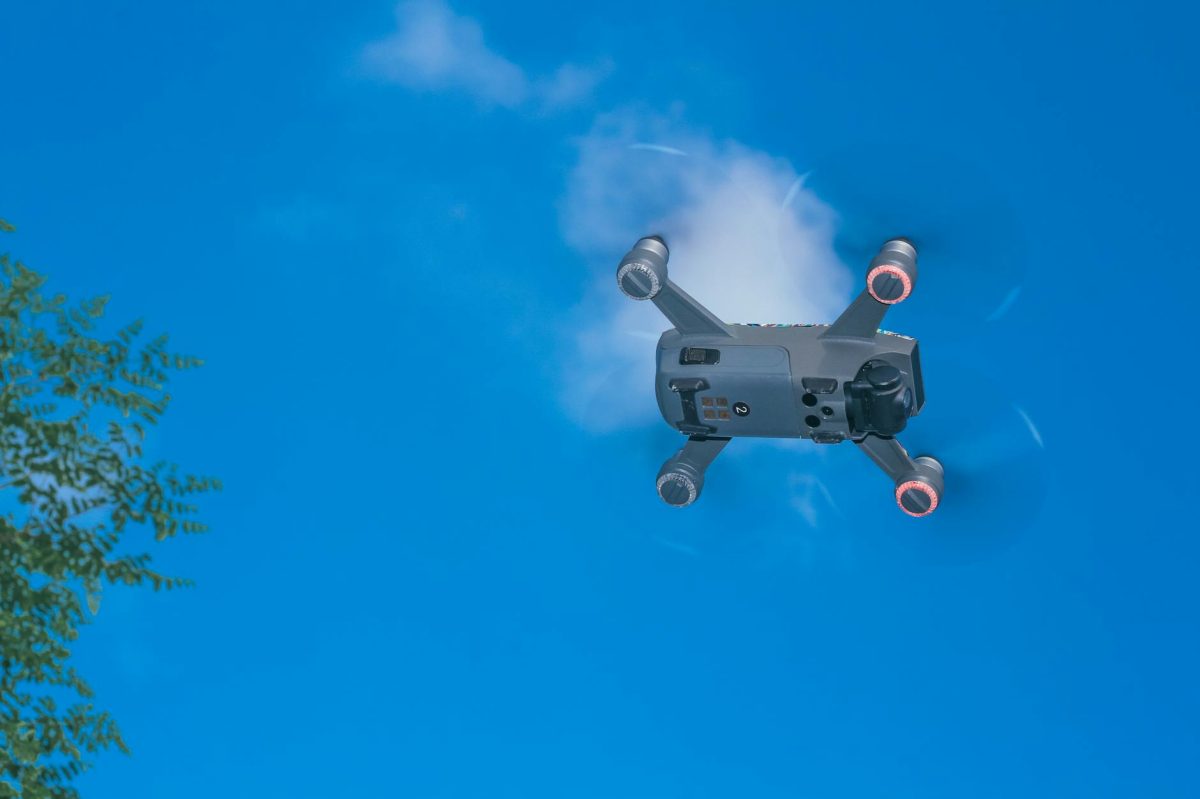
Hezbollah's drone and rocket attacks on Israeli army positions have sparked concerns about escalating tensions in the region. The attacks come as Israel and Lebanon have been engaged in a maritime border dispute. Hezbollah's claims of 14 attacks highlight the group's military capabilities and its willingness to use force.
WHAT HAPPENED
According to Hezbollah, the attacks were carried out on Monday and targeted Israeli army positions along the border with Lebanon. The militant group said in a statement that its fighters launched 14 attacks, including drone strikes and rocket fire. Hezbollah claimed that the attacks were in response to Israeli aggression and aimed at weakening the Israeli army's capabilities. The attacks were reportedly carried out from Lebanese territory, with some sources suggesting that the drones were launched from the outskirts of Beirut. Hezbollah's statement was attributed to a source within the group who wished to remain anonymous. Hezbollah's military capabilities have been a subject of concern for Israel and its allies in the region. The group has been involved in various conflicts with Israel over the years, including a 2006 war that left significant damage and loss of life on both sides. In recent years, Hezbollah has been expanding its military capabilities, including the development of a drone program. The exact number of casualties from the attacks is unclear, but Hezbollah claimed that the Israeli army suffered significant losses.
WHY IT MATTERS
Hezbollah's drone and rocket attacks on Israeli army positions have significant implications for the region. The attacks highlight the group's military capabilities and its willingness to use force in response to perceived Israeli aggression. This has raised concerns about the potential for further escalation, particularly given the ongoing maritime border dispute between Israel and Lebanon. The dispute has been simmering for years, with both sides making claims to the same areas. Hezbollah's involvement in the conflict has added an additional layer of complexity, with the group seen as a proxy for Iran in the region. The attacks also have implications for regional stability, with the potential for further conflict between Israel and Hezbollah. Hezbollah's military capabilities have been a subject of concern for Israel and its allies in the region. The group has been involved in various conflicts with Israel over the years, including a 2006 war that left significant damage and loss of life on both sides. In recent years, Hezbollah has been expanding its military capabilities, including the development of a drone program. The regional implications of Hezbollah's attacks are significant, with potential consequences for regional stability and security.

“We will not hesitate to defend our territory and our people against any aggression,”
WHAT WE DON'T KNOW YET
While Hezbollah claimed that its fighters launched 14 attacks on Israeli army positions, the exact details of the attacks are still unclear. The Israeli military has not commented on the attacks, but sources suggest that the Israeli army has been on high alert since the attacks were launched. The exact number of casualties from the attacks is unclear, and it is difficult to verify the claims made by Hezbollah. The group's statement attributed the attacks to its military wing, but it is unclear whether other groups were involved. The maritime border dispute between Israel and Lebanon remains unresolved, and it is unclear whether Hezbollah's attacks are directly related to the dispute. The regional implications of Hezbollah's attacks are significant, but the full extent of the consequences is still unclear.
WHAT TO WATCH
The next 24-72 hours will be crucial in determining the outcome of the situation. The Israeli military has been on high alert since the attacks were launched, and it is likely that the group will respond to any further aggression from Israel. The regional implications of Hezbollah's attacks are significant, and the situation will likely escalate if not resolved quickly. The maritime border dispute between Israel and Lebanon remains unresolved, and it is unclear whether Hezbollah's attacks are directly related to the dispute. The situation will likely be closely monitored by regional and international actors, including the United States, Iran, and the European Union.
Despite being designated as a terrorist organization by many countries, Hezbollah has a significant social and political presence in Lebanon, providing essential services such as healthcare and education to many citizens.
The situation in the region is a complex and rapidly evolving one. The implications of Hezbollah's attacks are significant, and the situation will likely escalate if not resolved quickly. As the situation continues to unfold, it is essential to remain vigilant and monitor the situation closely.