Players Tackle Blistering Heat at Start of French Open

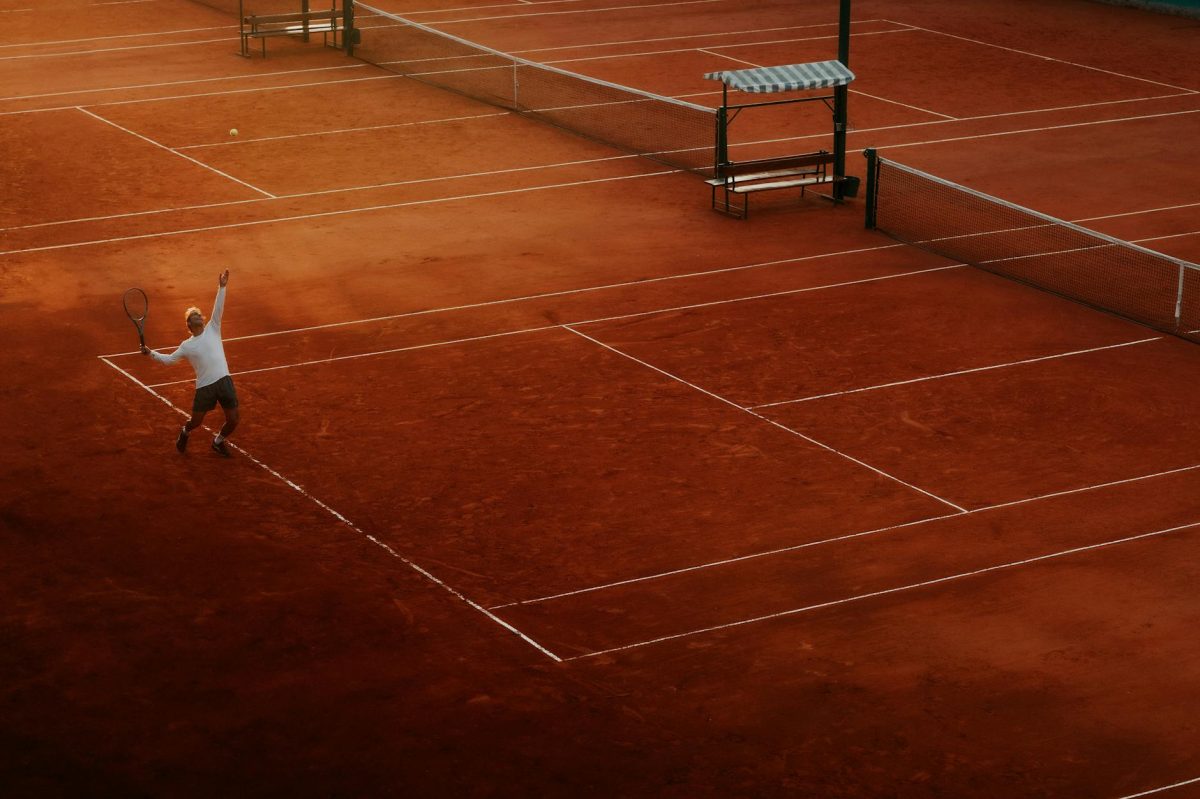
The French Open, one of the most prestigious tennis tournaments in the world, kicked off on Monday with a scorching start, as players battled the unusually hot weather conditions. This test of endurance could have significant implications for the health and well-being of the athletes. With temperatures soaring to 33C (91.4F) on the first day, it's clear that the players will have to adapt quickly to these conditions to perform at their best.
Competitors Face Unusually High Temperatures on Day One
According to an account to AFP, the heat was a major concern for players and organizers alike. 'The heat is a challenge, but it's not a surprise,' said a tournament official. 'We've been monitoring the weather forecast for weeks, and we knew it was going to be hot.' The players took to the court on Monday, wearing lightweight, breathable clothing to help keep them cool. 'I'm trying to stay hydrated and take breaks in the shade when I can,' said a player who wished to remain anonymous. The unusually high temperatures have already caused some issues, with a few players complaining of heat exhaustion and dehydration. Despite these challenges, the tournament is expected to continue as scheduled. As the players compete in the blistering heat, they will have to rely on their physical endurance and mental toughness to push through the challenging conditions. The French Open is one of the most physically demanding tournaments in the world, and the heat is just one of the many obstacles that players will face. The tournament schedule has been adjusted to allow for more breaks during the hottest part of the day, but players will still have to contend with the heat.
The Broader Pattern: Heat and Sports Performance
The impact of heat on sports performance is a well-documented phenomenon. Research has shown that high temperatures can cause athletes to perform at a lower level, even if they are well-trained and prepared. This is due to the fact that the human body is designed to regulate its temperature through sweating, but in hot environments, this mechanism can become overwhelmed. As a result, athletes may experience decreased endurance, reduced speed, and impaired decision-making. The heat also poses a significant health risk to athletes, particularly those who are not acclimated to it. Heat exhaustion and heat stroke are serious conditions that can be fatal if left untreated. The French Open is not the only tournament to be affected by heat, with the Australian Open and the US Open also experiencing hot conditions in recent years. As the world's top athletes continue to push the boundaries of what is possible, they will also have to contend with the challenges posed by the heat. The impact of heat on sports performance is a complex issue that requires careful consideration and planning. By understanding the effects of heat on the body, athletes and coaches can develop strategies to mitigate its impact and optimize performance.
“The heat is a challenge, but it's not a surprise. We've been monitoring the weather forecast for weeks, and we knew it was going to be hot.”
What We Don't Know Yet: The Uncertainty of Heat Management
While the French Open is taking a proactive approach to managing the heat, there are still many unknowns. For example, it is not yet clear how the heat will affect the players' performance over the course of the tournament. Will the players be able to adapt to the conditions, or will the heat become a major obstacle? Additionally, it is not yet clear how the tournament officials will respond to any heat-related issues that may arise. Will they adopt more radical measures to protect the players, such as suspending play or changing the schedule? The uncertainty surrounding heat management is a major concern for athletes and officials alike, and it will be interesting to see how the tournament unfolds.
Key Takeaways
- Players tackled blistering heat at the start of the French Open, with temperatures reaching 33C on Monday
- The heat has already caused some issues, with a few players complaining of heat exhaustion and dehydration
- The tournament schedule has been adjusted to allow for more breaks during the hottest part of the day
- The impact of heat on sports performance is a well-documented phenomenon
- The French Open is taking a proactive approach to managing the heat
What to Watch: The Next 24-72 Hours
The next 24-72 hours will be crucial in determining the impact of the heat on the tournament. Players will have to navigate the challenging conditions, while tournament officials will be monitoring the weather and the players' health. Some key things to watch include: the player's hydration levels and the number of heat-related issues that arise. Will the players be able to stay cool and focused, or will the heat become a major distraction? Additionally, it will be interesting to see how the tournament officials respond to any heat-related issues that may arise. Will they adopt more radical measures to protect the players, such as suspending play or changing the schedule? The next few days will be a critical test of the players' endurance and the tournament's heat management strategies.
The human body can lose up to 1.5 liters of water per hour in extreme heat, which is more than the average person drinks in a day.
The French Open is a testament to the resilience and determination of the world's top athletes. Despite the challenging conditions, the players will push themselves to the limit, testing their physical and mental endurance in the process. As the tournament unfolds, it will be fascinating to see how the heat affects the players' performance and the tournament's heat management strategies. But one thing is certain - the French Open will be a true test of endurance for all involved.