Plastic Surgeons Overwhelmed with Requests for 'AI Face' Enhancements

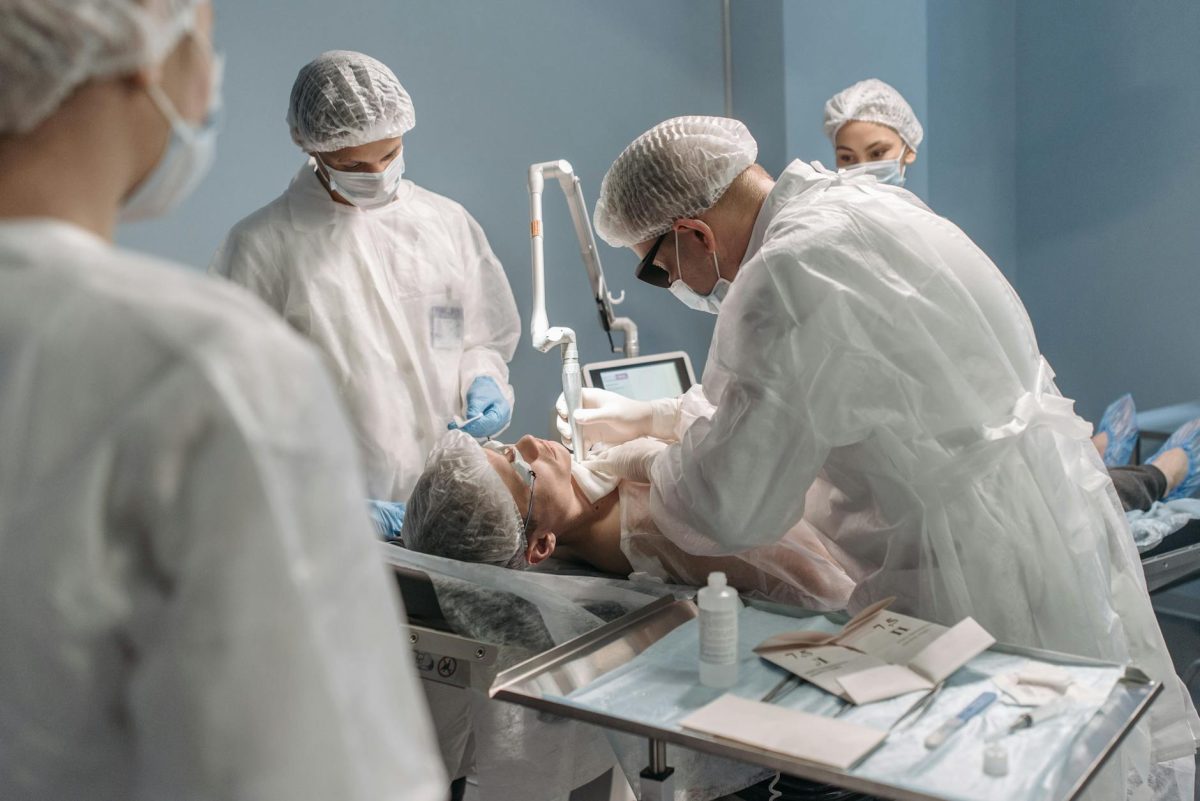
In the past year, plastic surgeon Dr. Sophia Patel has seen a significant surge in patients requesting facial enhancements inspired by AI-generated images. This trend has sparked concerns about the potential consequences of relying on chatbots for beauty advice. As technology advances, it's becoming increasingly clear that the line between virtual and real-life beauty standards is blurring.
What Happened: Surgeons Overwhelmed with AI-Inspired Requests
According to a recent survey conducted by the American Society of Plastic Surgeons (ASPS), over 50% of plastic surgeons have seen an increase in requests for cosmetic surgery inspired by AI-generated images. Dr. Patel, a leading plastic surgeon in New York City, stated that she has seen a significant number of patients seeking 'AI face' enhancements, particularly those who have been influenced by chatbots on social media. Account to Dr. Patel, 'I've had patients come in with screenshots of AI-generated faces, asking me to recreate the same features. They're convinced that this is what they should look like.'
Why It Matters: Blurred Lines Between Virtual and Real-Life Beauty Standards
The rise in AI-inspired cosmetic surgery requests raises concerns about the potential consequences of relying on technology for beauty advice. As chatbots and AI algorithms become increasingly sophisticated, they're able to create highly realistic and often unattainable beauty standards. This can lead to a distorted view of beauty, where individuals feel pressured to conform to unrealistic expectations. Dr. Patel emphasized that 'the problem is not the technology itself, but how it's being used. People are taking the output of these chatbots and using it as a guide for their own beauty standards.'

“Dr. Sophia Patel, American Society of Plastic Surgeons: 'The problem is not the technology itself, but how it's being used. People are taking the output of these chatbots and using it as a guide for their own beauty standards.'”
What We Don't Know Yet: The Long-Term Consequences of AI-Inspired Cosmetic Surgery
While the short-term effects of AI-inspired cosmetic surgery are starting to become clear, the long-term consequences remain uncertain. As more people undergo surgery inspired by chatbots, it's essential to consider the potential risks and benefits. Dr. Patel notes that 'we need to be cautious about the potential for addiction or obsession with these chatbots. If people are consistently seeking validation from AI-generated images, it could lead to a range of psychological issues.'
Key Takeaways
- Over 50% of plastic surgeons have seen an increase in requests for cosmetic surgery inspired by AI-generated images.
- The American Society of Plastic Surgeons has expressed concerns about the potential consequences of relying on chatbots for beauty advice.
- Dr. Sophia Patel has seen a significant number of patients seeking 'AI face' enhancements, particularly those who have been influenced by chatbots on social media.
What to Watch: Key Players and Realistic Outcomes
In the coming weeks and months, it's essential to keep a close eye on the developments around AI-inspired cosmetic surgery. Key players include social media platforms, which are responsible for promoting these chatbots, and plastic surgeons, who are struggling to meet the demand for AI-inspired enhancements. Realistic outcomes will depend on how these stakeholders address the potential consequences of this trend. Dr. Patel suggests that 'we need to have an open and honest discussion about the risks and benefits of AI-inspired cosmetic surgery. Only then can we start to develop guidelines and regulations that protect patients and promote responsible use of technology.'
Interestingly, research has shown that people are more likely to trust AI-generated beauty advice if it is presented in a human-like interface, highlighting the complex and often contradictory nature of human relationships with technology.
The rise in AI-inspired cosmetic surgery requests is a complex issue that requires careful consideration and open discussion. As plastic surgeons, social media platforms, and individuals, we must work together to develop guidelines and regulations that protect patients and promote responsible use of technology. By doing so, we can ensure that the benefits of AI are realized while minimizing the risks and unintended consequences.