Cannes Showcases AI Fault Lines in Cinema Innovation

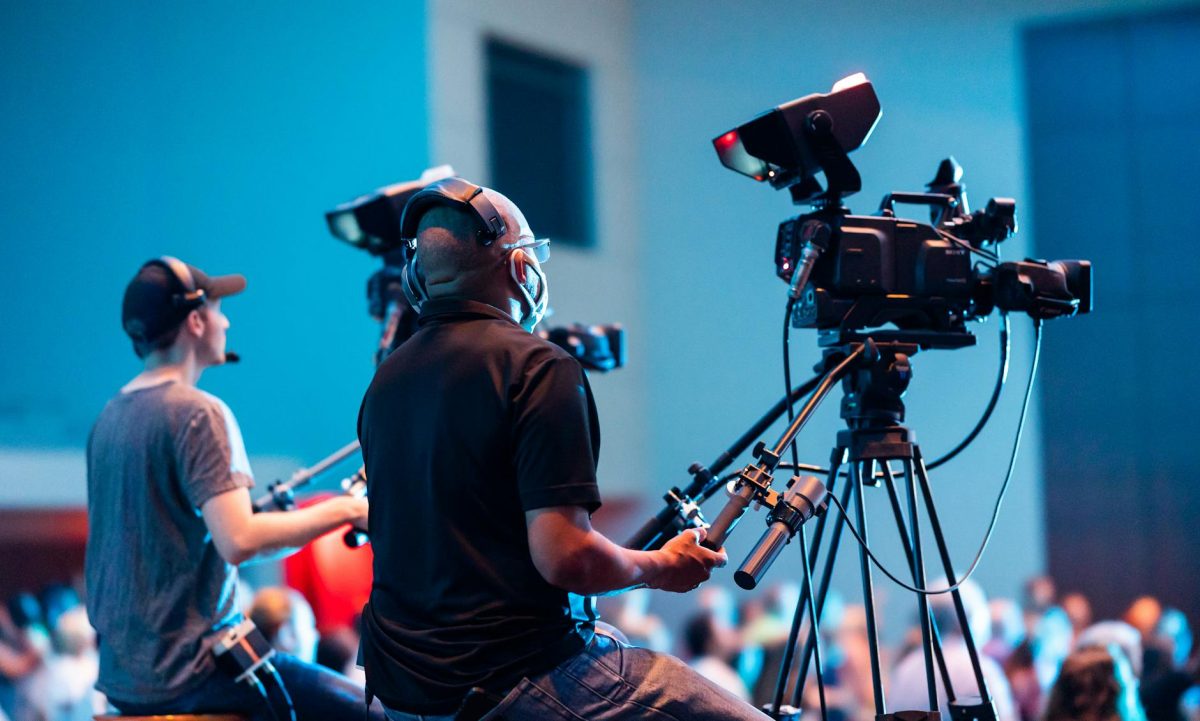
At Cannes, the intersection of artificial intelligence and cinematic storytelling is sparking heated debates. Darren Aronofsky, known for films like 'Black Swan' and 'mother!', is embracing AI's potential, while Guillermo del Toro voices his reservations. This divide highlights the complex implications of AI on the film industry.
Aronofsky and del Toro Share Contrasting Views on AI in Cinema
At the Cannes Film Festival, the conversation around AI's integration into filmmaking has been a focal point. Darren Aronofsky, a director known for his visually stunning and often unconventional films, has been an advocate for exploring AI's potential in storytelling. He sees AI as a means to expand the cinematic toolbox and offer new creative possibilities. Account to Variety, Aronofsky stated, 'We're at a point where AI can help us create new textures, new color palettes, and new forms. I think it's a very exciting time for filmmakers.' In contrast, Guillermo del Toro, a director celebrated for his imaginative and visually striking films, expressed his reservations about relying too heavily on AI. He told The Hollywood Reporter, 'I would rather die than work with a computer that can create something that I can't.' Del Toro's concerns stem from his desire to maintain a human touch in filmmaking, fearing that AI might replace essential human elements.nnIn a panel discussion at Cannes, Aronofsky and del Toro engaged in a thought-provoking exchange about the role of AI in filmmaking. Aronofsky emphasized the need to acknowledge AI's capabilities while also recognizing its limitations. He pointed to the example of using AI to create complex simulations, such as virtual environments, which can be time-consuming and challenging for human artists to accomplish. Del Toro, on the other hand, underscored the importance of human creativity and the value of imperfections in filmmaking. He argued that AI, while capable of generating impressive results, lacks the emotional depth and intuition that human artists bring to their work.nnThe debate between Aronofsky and del Toro reflects the broader concerns surrounding AI's impact on the film industry. As AI technology continues to evolve and become more accessible, filmmakers are being forced to reevaluate their creative processes and consider the role of AI in their work.
What Changes for Ordinary People
The integration of AI in filmmaking has far-reaching implications for the film industry and, ultimately, for the audience. If AI becomes a dominant force in filmmaking, it could lead to a homogenization of styles and a loss of unique perspectives. This could result in a more predictable and less engaging cinematic experience. On the other hand, AI's potential to streamline complex tasks and automate repetitive processes could free up human artists to focus on more creative and high-level tasks, leading to innovative and groundbreaking storytelling.nnMoreover, the use of AI in filmmaking raises questions about authorship and ownership. As AI-generated content becomes more prevalent, it is essential to establish clear guidelines for credit and compensation. This issue has significant implications for the careers of human artists and the value of their work. The film industry will need to navigate these complex issues and find a balance between embracing AI's benefits and preserving the creative contributions of human artists.


“'I would rather die than work with a computer that can create something that I can't.' - Guillermo del Toro, in an interview with The Hollywood Reporter, expressing his reservations about relying too heavily on AI in filmmaking.”
What We Don't Know Yet
While AI's potential in filmmaking is being explored, there are still many uncertainties surrounding its impact on the industry. One concern is the lack of transparency and accountability in AI-generated content. As AI becomes more integrated into the filmmaking process, it is essential to establish clear guidelines for the use of AI and ensure that human artists are involved in the creative process. Additionally, there is a need for more research on the long-term effects of AI on the film industry and its impact on human artists. The film industry will need to address these concerns and establish a framework for the responsible use of AI in filmmaking.nnAnother challenge is the potential for AI to exacerbate existing biases in the film industry. As AI is trained on existing data, it may perpetuate existing stereotypes and biases. This could lead to a lack of diversity in storytelling and a perpetuation of existing power structures. The film industry will need to address these concerns and develop strategies to mitigate the potential negative effects of AI on diversity and inclusion.
What to Watch in the Next 24-72 Hours
The debate around AI in filmmaking is likely to continue in the coming weeks and months. Key figures to watch include Darren Aronofsky, Guillermo del Toro, and other filmmakers who are exploring the potential of AI in their work. It will be interesting to see how these filmmakers navigate the complexities of AI and its impact on their creative processes. Additionally, the Cannes Film Festival will continue to be a hub for discussions around AI in filmmaking, with many panels and screenings focused on this topic. The next 24-72 hours will be crucial in understanding the current state of AI in the film industry and its potential implications for the future of filmmaking.
Interestingly, the first film to use AI-generated visuals was the 2018 film 'Zone Out', which used AI to create over 90% of its visual effects, marking a significant milestone in the integration of AI in filmmaking.
The intersection of AI and cinematic storytelling is a complex and multifaceted issue, with both proponents and detractors offering valid perspectives. As the film industry continues to navigate this topic, it is essential to prioritize transparency, accountability, and diversity in AI-generated content. By doing so, filmmakers can harness the potential of AI while preserving the creative contributions of human artists and ensuring a unique and engaging cinematic experience for audiences.