Spain's Quiet Industrial Revival: 76% of Firms Now Have a Reindustrialisation Strategy

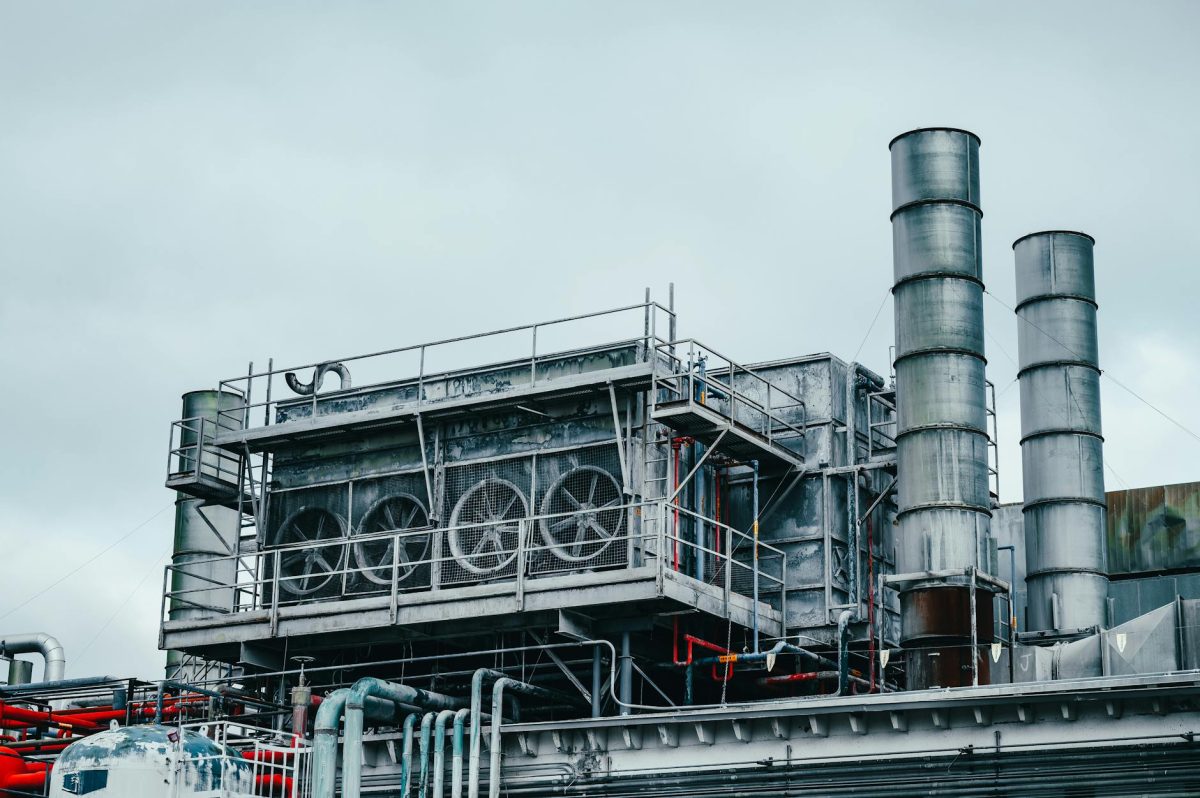
Nine in ten Spanish companies plan to invest in AI, a crucial economic driver, as the country steps up its reindustrialisation efforts with 76% of firms now having a strategy in place.
Spain Steals the Show: A Record 76% of Firms Now Have a Reindustrialisation Strategy
According to a recent report by the Spanish National Institute of Statistics (INE), a record 76% of firms in Spain now have a reindustrialisation strategy in place. This marks a significant increase from previous years, with the country's industrial sector showing signs of revival. As reported by the INE, the number of companies with a reindustrialisation strategy has been on the rise since 2020, with 2022 seeing the highest percentage yet. This trend is largely attributed to the government's efforts to promote industrial growth and development in the country. The report also highlights the importance of AI in driving this growth, with nine in ten Spanish companies planning to invest in the technology within the next two years. In an interview with the Spanish business magazine, Expansion, the President of the Spanish Confederation of Business Organisations (CEOE), Antonio Garamendi, noted that 'AI is a key driver of innovation and growth in Spain, and we expect to see significant investment in this area in the coming years.'
What Does It Mean for Ordinary People?
The reindustrialisation of Spain is expected to have a positive impact on the country's economy and job market. With more companies investing in AI and reindustrialisation efforts, there are likely to be new job opportunities arising in industries such as manufacturing, technology, and logistics. Additionally, the increased investment in reindustrialisation is expected to lead to improved infrastructure and transportation systems, making it easier for people to access goods and services. This, in turn, is likely to lead to improved living standards and a higher quality of life for ordinary people. Furthermore, the government's efforts to promote industrial growth and development are also expected to lead to increased tax revenues, which can be used to fund public services and social welfare programmes. As noted by the CEO of the Spanish National Institute of Statistics, 'the reindustrialisation of Spain is a key driver of economic growth and job creation, and we expect to see significant benefits for ordinary people in the coming years.',


“AI is a key driver of innovation and growth in Spain, and we expect to see significant investment in this area in the coming years.”
What We Don't Know Yet
While the reindustrialisation of Spain is a positive trend, there are still many unknowns. For example, how will the increased investment in AI and reindustrialisation efforts impact the country's environment? Will there be any negative consequences, such as increased pollution or resource depletion? Additionally, how will the government's efforts to promote industrial growth and development affect the country's social welfare programmes? Will there be any cuts to public services or social benefits? Finally, how will the reindustrialisation of Spain impact the country's relationship with the European Union? Will there be any changes to trade agreements or regulatory frameworks? These are just a few of the many questions that remain unanswered. The government's plans for reindustrialisation are still in the early stages, and it will likely take several years to see the full impact of these efforts.
What to Watch
In the coming weeks and months, there are several key developments to watch. Firstly, the Spanish government is expected to unveil its new industrial policy, which will outline the country's strategy for reindustrialisation. This policy is likely to include details on how the government plans to promote industrial growth and development, including investments in AI and infrastructure. Secondly, the government is expected to announce new funding programmes for businesses that invest in reindustrialisation efforts. These programmes are likely to provide financial support for companies that invest in new technologies and processes. Finally, the government is expected to launch a new initiative to promote industrial innovation and entrepreneurship. This initiative is likely to include funding for start-ups and small businesses that develop new industrial technologies and products. The government's efforts to promote industrial growth and development are likely to have a significant impact on the country's economy and job market.
Despite being a major industrial power, Spain has more poets than engineers, with over 10,000 published poets in the country.
The reindustrialisation of Spain is a complex and multifaceted effort that is expected to have a significant impact on the country's economy and job market. While there are many unknowns and uncertainties surrounding this effort, the government's plans for reindustrialisation are a positive step towards promoting industrial growth and development in the country. As the government continues to work towards its goals, it is likely that we will see significant benefits for ordinary people in the coming years.