ICRC DG Jobson Ewalefoh Says PPP Law Review Unnecessary, Emphasizes Integrity Over Legislation

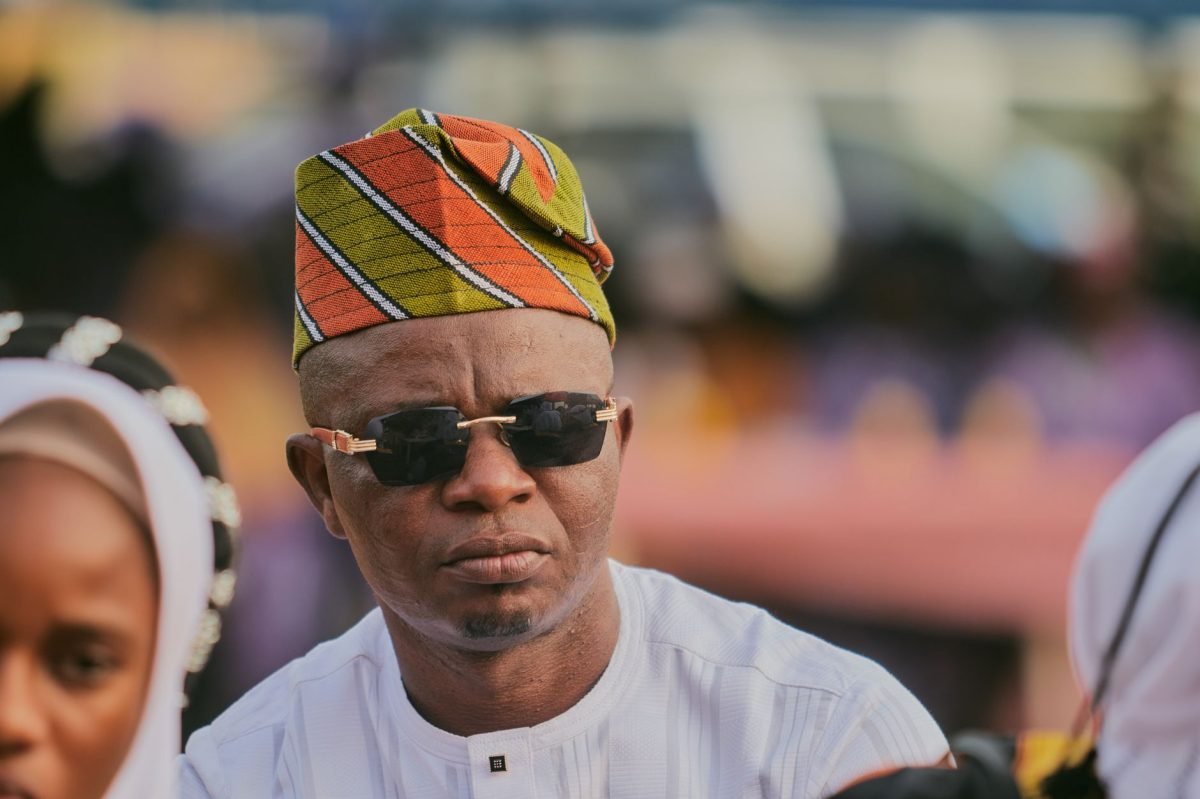
Jobson Oseodion Ewalefoh, Director‑General of the Infrastructure Concession Regulatory Commission, addressed delegates at the 32nd Nigeria Economic Summit (NES32) in Lagos on June 12, 2024. He dismissed recent calls to overhaul Nigeria’s public‑private partnership (PPP) legislation, arguing that legal tweaks cannot compensate for weak personal ethics. The remarks come as the government prepares a multi‑billion‑dollar infrastructure push funded largely through PPPs. Stakeholders see his stance as a litmus test for the upcoming budget cycle.
What Happened at NES32
During a plenary session titled “Financing Nigeria’s Future,” Ewalefoh delivered a 12‑minute speech that was broadcast live on national television. He referenced the PPP law enacted in 2020, which created a framework for private sector participation in roads, power and water projects. Ewalefoh noted that the law has already facilitated 27 concession contracts worth roughly ₦2.3 trillion, according to the ICRC’s annual report released last month. He then turned to recent media commentary urging a review of the legislation, labeling it “politically motivated” rather than evidence‑based. A small but telling detail was his reference to a 2023 audit that uncovered misconduct by two senior officials in a highway concession, underscoring his point that character, not code, determines outcomes. The audience, comprising ministers, investors and civil‑society representatives, responded with a mixture of applause and cautious murmurs, indicating the topic’s sensitivity.
Why It Matters for Nigerians
Ewalefoh’s warning carries weight because PPP projects are slated to deliver over 50 percent of the nation’s targeted infrastructure by 2030. If the legal framework is left unchanged while enforcement remains lax, citizens risk seeing more substandard projects, delayed timelines and inflated costs. For commuters, this could mean longer traffic jams on roads that were promised to be completed within two years but remain half‑built. For households, unreliable power from poorly managed PPP plants translates into higher electricity bills and frequent outages. Moreover, investors watch regulatory consistency closely; any perception that the government will repeatedly amend PPP rules could deter foreign capital, slowing job creation in construction, engineering and ancillary services. By emphasizing integrity, Ewalefoh is essentially urging a cultural shift that could protect public funds and improve service delivery across the board.


“"No law can fix a person's character," Ewalefoh told the NES32 audience, stressing that ethical conduct must underpin every concession agreement.”
What We Don't Know Yet
While Ewalefoh dismissed a formal legislative review, the ICRC has not disclosed whether it will launch an internal audit of existing PPP contracts to assess compliance gaps. The regulator also refrained from naming the two officials implicated in the 2023 audit, leaving the public uncertain about the depth of the misconduct. Additionally, it remains unclear how the Ministry of Finance will respond to the DG’s call for stricter enforcement, especially given budget pressures and competing political interests. Analysts are watching for any upcoming circulars that might tighten vetting procedures for private partners, but no such documents have been made public. Finally, the impact of Ewalefoh’s remarks on upcoming parliamentary debates about PPP funding remains speculative; legislators have not yet signaled whether they will adopt his stance or push for legislative amendments regardless of his comments.
Key Takeaways
- ICRC DG Ewalefoh rejected calls to amend Nigeria's 2020 PPP law at NES32.
- He argued that personal integrity, not legislation, determines project success.
- 27 PPP contracts worth ₦2.3 trillion are already active under the current framework.
- Weak enforcement could lead to substandard infrastructure and deter foreign investment.
- Upcoming Senate hearings will test whether his stance influences legislative action.
What to Watch in the Next 24‑72 Hours
In the short term, observers should monitor the ICRC’s official website for any press releases that clarify the regulator’s enforcement strategy. The Ministry of Works and Housing is expected to issue a statement on the status of the 27 active concessions, which could reveal whether the DG’s comments will translate into concrete actions. Within 48 hours, the Senate Committee on Public Accounts is slated to hold a hearing on PPP oversight; the testimonies of senior ICRC officials will indicate whether a legislative review is truly off the table. Finally, investors in the upcoming Lagos‑Kano rail corridor are likely to seek reassurance from the ICRC, so any communication from project sponsors could signal market confidence or apprehension. Tracking these developments will show whether Ewalefoh’s emphasis on character will reshape policy or remain rhetorical.
The 32nd Nigeria Economic Summit attracted over 5,000 participants, making it the largest business gathering in West Africa this year, according to the event organizer, BusinessDay.
Ewalefoh’s message at NES32 underscores a classic governance dilemma: laws set the stage, but people write the script. For ordinary Nigerians awaiting better roads, reliable electricity and efficient ports, the promise of robust PPPs hinges on whether regulators can enforce standards and hold individuals accountable. As the next legislative sessions approach, the country watches to see if character will indeed triumph over paperwork. The outcome will shape not only the nation’s infrastructure skyline but also public trust in institutions tasked with delivering it.