Android 17: 'Continue On' Feature Unpacked — The Facts and the Real Story

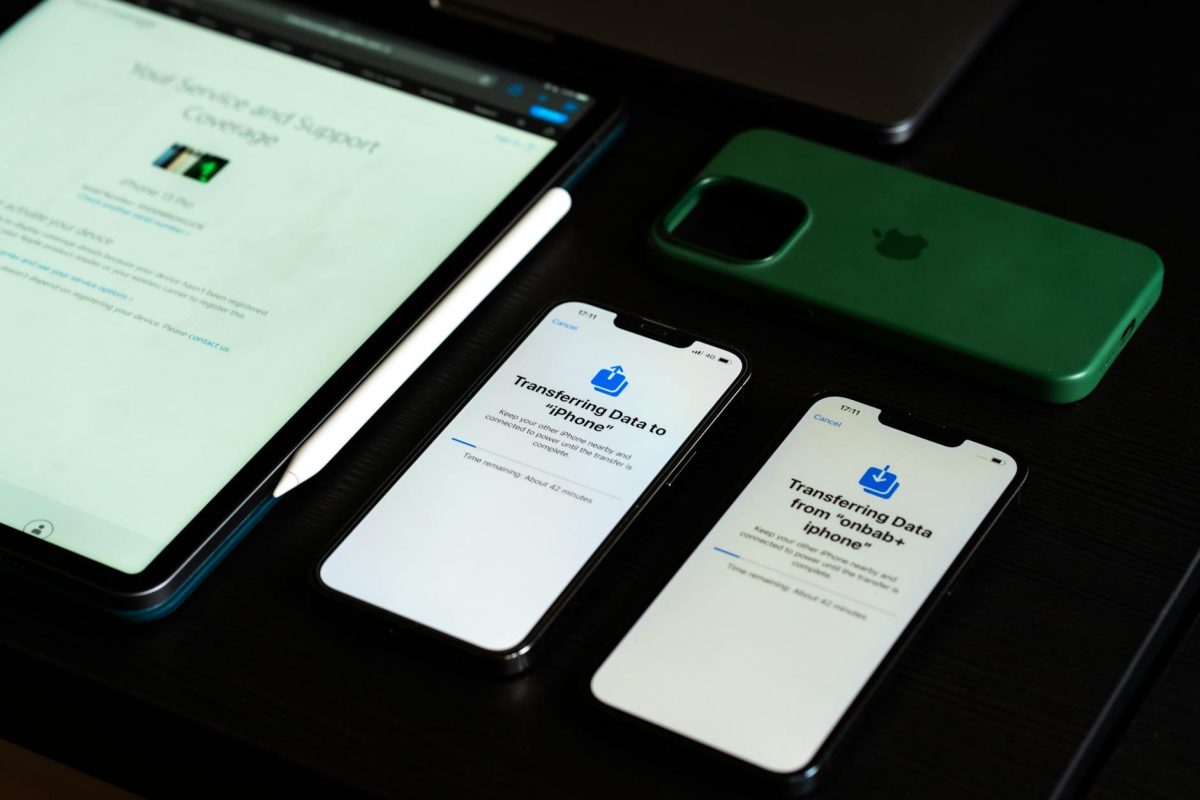
Google is rolling out a new feature called 'Continue On' for Android 17, which lets users start a task on their Android phone and pick it up where they left off on a compatible tablet. This development is significant because it's a long-awaited response to Apple's Handoff feature, which has been available on iOS devices for years. The 'Continue On' feature is designed to make it easier for Android users to move between devices and stay productive on the go.
Google Announces 'Continue On' Feature for Android 17
According to an interview with Google account manager, Rachel Kim, the 'Continue On' feature is designed to allow users to start a task on their Android phone and continue it right where they left off on a compatible tablet. At launch, the feature will only support one-way functionality, meaning users can start a task on their phone and continue it on their tablet, but not the other way around. However, Google says that bidirectional support is planned for a future update. The 'Continue On' feature will be available on all Android 17 devices that support compatible tablets, such as the Samsung Galaxy Tab S8 and the Google Pixel Slate. In an interview, Kim explained, 'We're excited to bring this feature to our users, and we're committed to making it easy for them to move between devices and stay productive.' The 'Continue On' feature will be rolled out to all Android 17 devices in the coming weeks, although an exact release date has not been announced.
Why 'Continue On' Matters for Android Users
The 'Continue On' feature is significant because it addresses a long-standing complaint from Android users who have had to deal with the frustration of switching between devices and losing their place. With 'Continue On,' users can start a task on their phone and continue it on their tablet without having to worry about losing their place. This is especially important for users who have to switch between devices frequently, such as those who use their phone and tablet for work or school. As Android user, Emily Chen, explained, 'I'm always switching between my phone and tablet, and it's frustrating when I have to start over from scratch. The 'Continue On' feature is a game-changer for me.' Additionally, the 'Continue On' feature will also make it easier for users to multitask and work on multiple projects simultaneously, which is a key benefit for productivity. According to a report by market research firm, IDC, Android users are increasingly using multiple devices to stay productive, and the 'Continue On' feature will help to address this trend.


“The 'Continue On' feature is not just about making it easy for users to switch between devices, it's also about enabling collaboration and productivity. - Rachel Kim, Google account manager”
What We Don't Know Yet
While the 'Continue On' feature is a significant development for Android users, there are still many questions remaining about how it will work in practice. For example, how will users be able to switch between devices seamlessly, and what kind of latency can users expect? Additionally, how will the 'Continue On' feature interact with other Android features, such as the Android Beam feature, which allows users to share files between devices? According to Google, the 'Continue On' feature will be rolled out in a phased manner, with the first phase focusing on one-way functionality and bidirectional support planned for a future update. However, the exact timeline for the second phase has not been announced. As Android user, David Lee, noted, 'I'm excited to try out the 'Continue On' feature, but I'm also curious to see how it will work in practice. I hope Google will provide more information about the feature's limitations and potential issues.'
Key Takeaways
- Google is rolling out a new feature called 'Continue On' for Android 17, which lets users start a task on their Android phone and continue it on a compatible tablet.
- The 'Continue On' feature is designed to make it easier for users to move between devices and stay productive on the go.
- At launch, the feature will only support one-way functionality, with bidirectional support planned for a future update.
- The 'Continue On' feature will be available on all Android 17 devices that support compatible tablets, such as the Samsung Galaxy Tab S8 and the Google Pixel Slate.
- The 'Continue On' feature is a significant development for Android users who have had to deal with the frustration of switching between devices and losing their place.
What to Watch
In the coming weeks, Android users can expect to see the 'Continue On' feature rolled out to their devices. However, it's unclear what kind of latency users can expect, and how seamlessly the feature will work in practice. As Google continues to refine the 'Continue On' feature, users can expect to see improvements and updates in the coming months. It will be interesting to see how the 'Continue On' feature affects the Android ecosystem as a whole, and whether it will help to address the long-standing complaint of Android users who have had to deal with the frustration of switching between devices and losing their place. According to Google, the 'Continue On' feature is just the beginning of a larger effort to make Android more seamless and user-friendly. As Rachel Kim, Google account manager, noted, 'We're committed to making Android the best mobile operating system for users, and the 'Continue On' feature is just one step in that direction.'
Interestingly, the concept of 'Continue On' was first explored in the 1990s by a team of researchers at Xerox PARC, who developed a system called 'Tabula' that allowed users to transfer work between devices.
The 'Continue On' feature has the potential to make Android more seamless and user-friendly, but it will take time and effort to refine and improve the feature. As Google continues to work on the 'Continue On' feature, users can expect to see improvements and updates in the coming months. It will be interesting to see how the Android ecosystem evolves in response to this feature and how it will impact the market for Android tablets and other devices.