Hantavirus Death Toll Rises to Three After Cruise Ship Outbreak

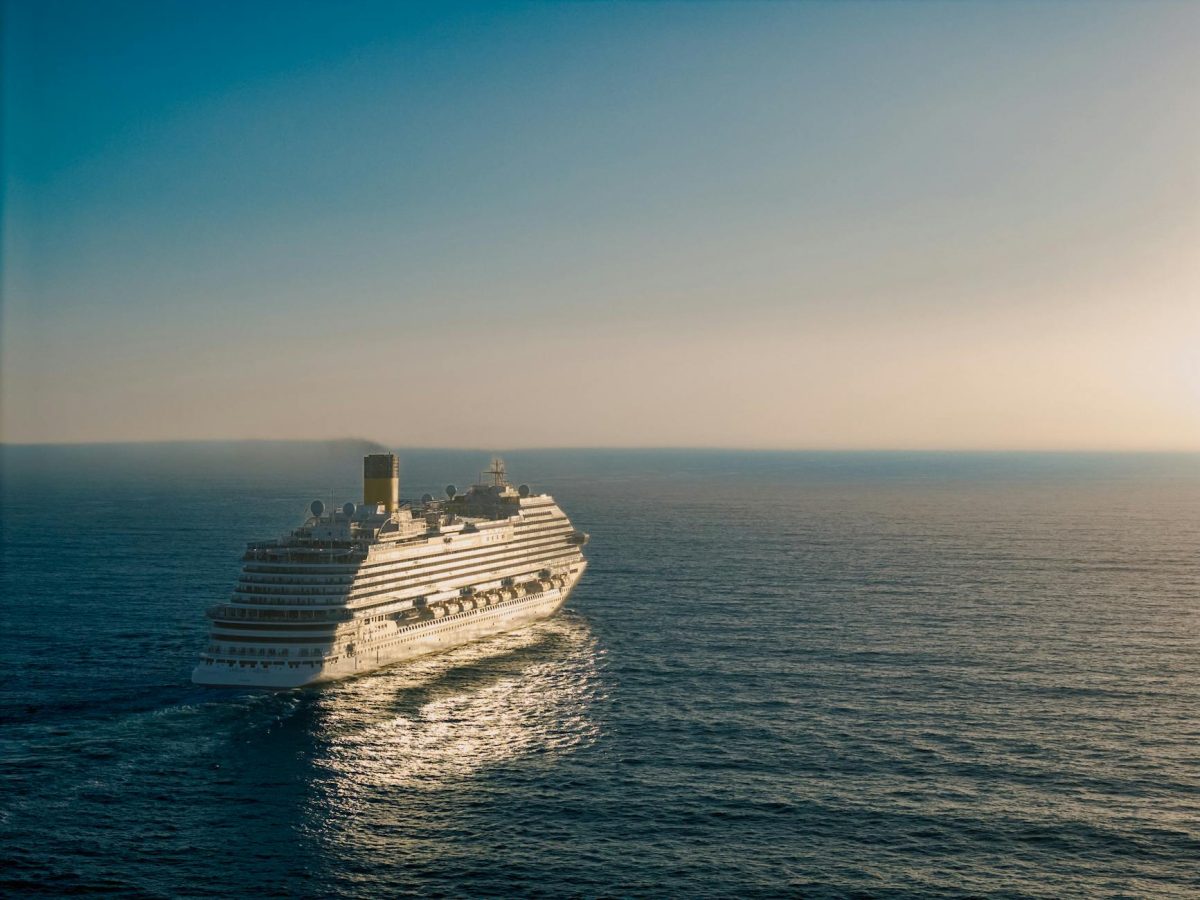
A cruise ship in the Caribbean has become the focal point of a hantavirus outbreak that has claimed three lives, prompting the World Health Organisation to issue a warning about the potential for more cases. The news has sent shockwaves through the global health community, sparking concerns about the spread of the disease. The cruise ship in question, the MS World Traveller, was on a voyage from the Bahamas to the Dominican Republic when the outbreak occurred.
Cruise Ship Outbreak: A Timeline of Events
According to the World Health Organisation, the outbreak began on April 20 when a 69-year-old passenger from the United States fell ill with symptoms of hantavirus. The patient, who was not named, was hospitalised in the Bahamas and later died on April 22. Over the next few days, two more passengers, a 45-year-old woman from the United Kingdom and a 35-year-old man from Canada, also fell ill and died. The outbreak was first reported by the ship's captain on April 25, and since then, the World Health Organisation has been working closely with local authorities to contain the spread of the disease. Account to the World Health Organisation states that the MS World Traveller was on a voyage from the Bahamas to the Dominican Republic when the outbreak occurred. The ship had a total of 1,200 passengers and 500 crew members on board at the time of the outbreak.
Why This Outbreak Matters
The hantavirus outbreak on the MS World Traveller raises concerns about the spread of the disease in the global community. Hantavirus is a rare but deadly viral disease that is typically found in rodents and can be transmitted to humans through contact with infected animals or contaminated materials. The outbreak highlights the need for increased vigilance and caution when it comes to travel and public health. In the United States alone, there have been 59 reported cases of hantavirus since 2012, resulting in 36 deaths. The outbreak also raises questions about the effectiveness of current travel restrictions and health protocols in preventing the spread of infectious diseases. As the world becomes increasingly interconnected, the risk of disease outbreaks increases, and it is essential that we take proactive measures to prevent and contain them. Furthermore, the outbreak highlights the importance of public awareness and education about the risks associated with hantavirus and other infectious diseases.

“'We are taking this outbreak very seriously and are working closely with local authorities to contain the spread of the disease.' – Dr. Maria Van Kerkhove, World Health Organisation spokesperson”
What We Don't Know Yet
Despite the efforts of the World Health Organisation and local authorities, there are still many unknowns about the hantavirus outbreak on the MS World Traveller. One of the biggest concerns is the potential for further transmission of the disease. While the World Health Organisation has reported that the outbreak is 'limited' and contained, there is still a risk that the disease could spread to other people on the ship or in the local community. Additionally, there is a lack of information about the source of the outbreak, with some speculating that it may have originated from a contaminated food or water source on the ship. The World Health Organisation has stated that it will continue to monitor the situation and provide updates as more information becomes available.
What to Watch
In the coming days, there are several key developments that will be closely watched by health officials and the public. Firstly, the World Health Organisation will continue to monitor the situation and provide updates on the number of cases and any new developments. Secondly, local authorities will be working to contain the spread of the disease and provide support to those affected. The MS World Traveller is currently docked in the Bahamas, where it will undergo a thorough cleaning and disinfection. Finally, the travel industry will be watching the situation closely, as it could have implications for future travel restrictions and health protocols. In the next 24-72 hours, we can expect to see more information about the outbreak, including the number of cases and any new developments.
Interestingly, hantavirus is typically spread through contact with infected rodents, but can also be spread through contaminated food and water, and even through the air in rare cases, making it a highly unpredictable and potentially widespread disease.
The hantavirus outbreak on the MS World Traveller is a sobering reminder of the risks associated with infectious diseases. While the situation is currently contained, it is essential that we remain vigilant and take proactive measures to prevent and contain future outbreaks. As the world becomes increasingly interconnected, it is more important than ever that we prioritize public health and take steps to prevent the spread of infectious diseases.