Iran Accuses US of 'Reckless Military Adventure' in Middle East Conflict

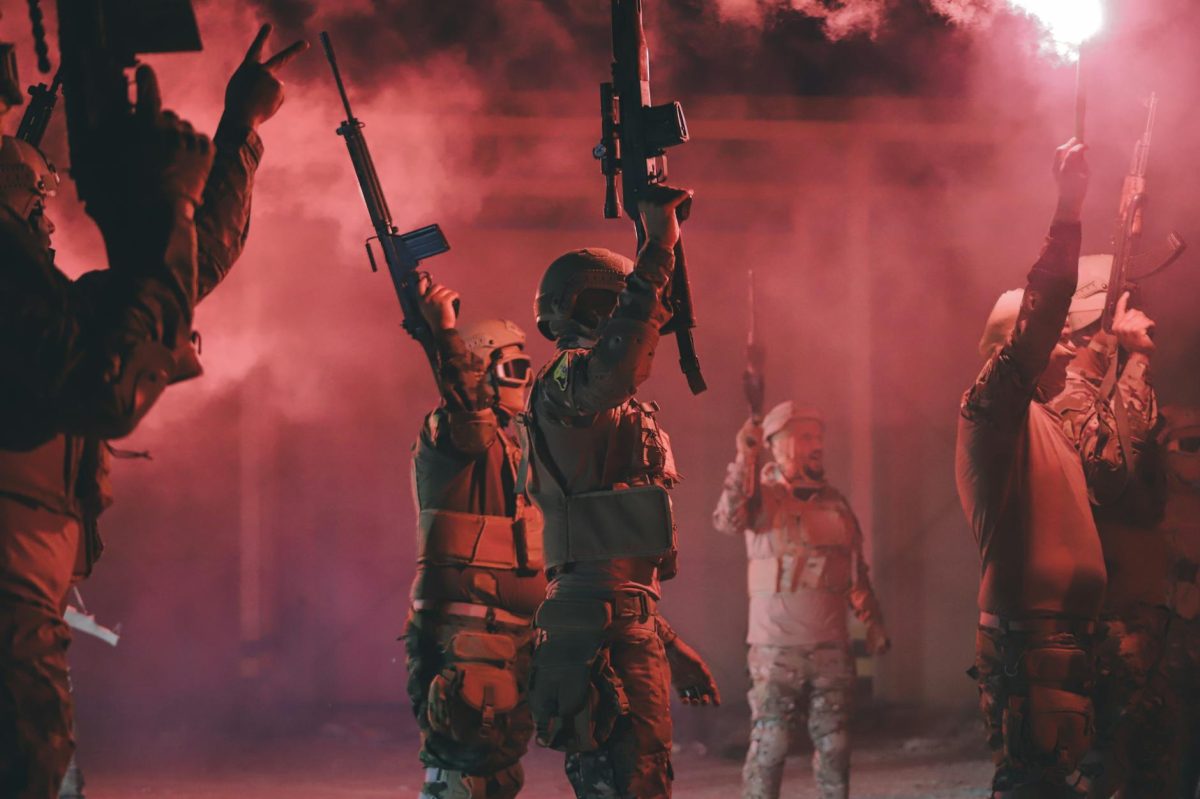
Iran's accusation comes after a recent surge in US military operations in the Middle East, with Abbas Araghchi stating that the US has attacked Iran every time there is a diplomatic solution on the table. This claim raises concerns about the impact of these military actions on regional stability and the ability of diplomats to find peaceful solutions. The situation has significant implications for ordinary people in the region, who may be caught in the middle of escalating tensions.
Iran's Diplomat Accuses US of Unprovoked Attacks
According to a report by Al Jazeera, Abbas Araghchi, Iran's senior diplomat, made the accusation on February 25, 2023. Araghchi claimed that the US has consistently launched military operations against Iran whenever there is a diplomatic solution on the table. This pattern of behavior, he said, undermines the efforts of diplomats to resolve conflicts peacefully. The US has carried out numerous military operations against Iran in recent years, including airstrikes and drone strikes. Araghchi's statement was made during a press conference in Tehran, where he emphasized the need for diplomatic solutions to resolve conflicts in the region. Iran has been a key player in regional diplomacy, particularly in the context of the nuclear deal with the US and its allies. The country has consistently called for a peaceful resolution to conflicts in the region, and Araghchi's statement reflects this position. The US has not responded to Araghchi's accusation, but the situation remains tense, with both countries engaged in a war of words. The US has imposed economic sanctions on Iran, which has led to a significant decline in the country's economy. In response, Iran has threatened to retaliate against US interests in the region. The situation is further complicated by the presence of other regional actors, including Saudi Arabia and Israel, which have their own interests and agendas in the region. According to a report by the Center for Strategic and International Studies, the US has carried out at least 150 military operations against Iran since 2015, with the majority of these operations being airstrikes and drone strikes. The report highlights the escalation of military operations in the region and the impact on regional stability. Araghchi's statement has sparked concerns about the ability of diplomats to find peaceful solutions to conflicts in the region. The situation remains fluid, with both countries engaged in a delicate dance of diplomacy and military posturing.
Escalating Tensions in the Middle East
The situation in the Middle East is complex and multifaceted, with various regional actors and interests at play. The US-Iran conflict is just one aspect of a broader regional dynamic, which includes the ongoing conflict in Yemen, the presence of extremist groups such as ISIS and Al-Qaeda, and the rivalry between Saudi Arabia and Iran for regional influence. The conflict in Yemen has been raging for over six years, with the US providing military support to the Saudi-led coalition. The conflict has resulted in significant human suffering, with thousands of civilians killed or injured, and a major humanitarian crisis unfolding. The situation in Yemen highlights the need for a peaceful resolution to conflicts in the region, which requires diplomatic efforts and a willingness to engage in dialogue. The US-Iran conflict is a symptom of a broader regional dynamic, which is characterized by escalating tensions, military posturing, and a lack of trust between countries. The situation is further complicated by the presence of other regional actors, including Saudi Arabia and Israel, which have their own interests and agendas in the region. The escalating tensions between the US and Iran have significant implications for ordinary people in the region, who may be caught in the middle of military operations and diplomatic efforts. The situation requires a peaceful resolution, which can only be achieved through diplomatic efforts and a willingness to engage in dialogue. The US and Iran have a long history of conflict, dating back to the 1979 Iranian Revolution. The conflict has been marked by periods of escalation, including the Iran-Iraq War and the US-led invasion of Iraq in 2003. The situation has significant implications for regional stability and the ability of diplomats to find peaceful solutions to conflicts. The US-Iran conflict is a complex and multifaceted issue, which requires a nuanced understanding of regional dynamics and the interests of various actors. The situation is further complicated by the presence of other regional actors, including Saudi Arabia and Israel, which have their own interests and agendas in the region. The escalating tensions between the US and Iran have significant implications for regional stability and the ability of diplomats to find peaceful solutions to conflicts.

What We Don't Know Yet
The situation in the Middle East is complex and multifaceted, with various regional actors and interests at play. The US-Iran conflict is just one aspect of a broader regional dynamic, which includes the ongoing conflict in Yemen, the presence of extremist groups such as ISIS and Al-Qaeda, and the rivalry between Saudi Arabia and Iran for regional influence. The situation is further complicated by the presence of other regional actors, including Saudi Arabia and Israel, which have their own interests and agendas in the region. The escalating tensions between the US and Iran have significant implications for regional stability and the ability of diplomats to find peaceful solutions to conflicts. The US has not responded to Araghchi's accusation, but the situation remains tense, with both countries engaged in a war of words. The US has imposed economic sanctions on Iran, which has led to a significant decline in the country's economy. In response, Iran has threatened to retaliate against US interests in the region. The situation is further complicated by the presence of other regional actors, including Saudi Arabia and Israel, which have their own interests and agendas in the region. The escalating tensions between the US and Iran have significant implications for regional stability and the ability of diplomats to find peaceful solutions to conflicts. The situation requires a peaceful resolution, which can only be achieved through diplomatic efforts and a willingness to engage in dialogue. The US and Iran have a long history of conflict, dating back to the 1979 Iranian Revolution. The conflict has been marked by periods of escalation, including the Iran-Iraq War and the US-led invasion of Iraq in 2003. The situation is further complicated by the presence of other regional actors, including Saudi Arabia and Israel, which have their own interests and agendas in the region. The escalating tensions between the US and Iran have significant implications for regional stability and the ability of diplomats to find peaceful solutions to conflicts. The US has carried out numerous military operations against Iran in recent years, including airstrikes and drone strikes. The report highlights the escalation of military operations in the region and the impact on regional stability. Araghchi's statement has sparked concerns about the ability of diplomats to find peaceful solutions to conflicts in the region. The situation remains fluid, with both countries engaged in a delicate dance of diplomacy and military posturing.
What to Watch
The situation in the Middle East is complex and multifaceted, with various regional actors and interests at play. The US-Iran conflict is just one aspect of a broader regional dynamic, which includes the ongoing conflict in Yemen, the presence of extremist groups such as ISIS and Al-Qaeda, and the rivalry between Saudi Arabia and Iran for regional influence. The US and Iran are engaged in a war of words, with both countries trading accusations and threats. The situation is further complicated by the presence of other regional actors, including Saudi Arabia and Israel, which have their own interests and agendas in the region. The escalating tensions between the US and Iran have significant implications for regional stability and the ability of diplomats to find peaceful solutions to conflicts. The US has imposed economic sanctions on Iran, which has led to a significant decline in the country's economy. In response, Iran has threatened to retaliate against US interests in the region. The situation is further complicated by the presence of other regional actors, including Saudi Arabia and Israel, which have their own interests and agendas in the region. The situation in Yemen has been raging for over six years, with the US providing military support to the Saudi-led coalition. The conflict has resulted in significant human suffering, with thousands of civilians killed or injured, and a major humanitarian crisis unfolding. The situation in Yemen highlights the need for a peaceful resolution to conflicts in the region, which requires diplomatic efforts and a willingness to engage in dialogue. The US-Iran conflict is a symptom of a broader regional dynamic, which is characterized by escalating tensions, military posturing, and a lack of trust between countries. The situation is further complicated by the presence of other regional actors, including Saudi Arabia and Israel, which have their own interests and agendas in the region. The escalating tensions between the US and Iran have significant implications for regional stability and the ability of diplomats to find peaceful solutions to conflicts. The US has carried out numerous military operations against Iran in recent years, including airstrikes and drone strikes. The report highlights the escalation of military operations in the region and the impact on regional stability. Araghchi's statement has sparked concerns about the ability of diplomats to find peaceful solutions to conflicts in the region. The situation remains fluid, with both countries engaged in a delicate dance of diplomacy and military posturing. The US and Iran have a long history of conflict, dating back to the 1979 Iranian Revolution. The conflict has been marked by periods of escalation, including the Iran-Iraq War and the US-led invasion of Iraq in 2003. The situation is further complicated by the presence of other regional actors, including Saudi Arabia and Israel, which