EU Climate Commissioner Urges Radical Shift to Homegrown Energy Amid Crises

EU Climate Commissioner Wopke Hoekstra emphasized the importance of homegrown energy in addressing the energy crises fueled by the wars in Iran and Ukraine, citing the need to rely on domestic energy sources to ensure the continent's energy security.
EU Climate Commissioner Calls for Radical Shift to Homegrown Energy
According to Euronews, EU Climate Commissioner Wopke Hoekstra emphasized the need for Europe to prioritize homegrown energy as a way to overcome the energy crises sparked by the wars in Iran and Ukraine. In a statement to Euronews, Commissioner Hoekstra noted that the continent's reliance on external energy sources has left it vulnerable to disruptions in global energy markets. The recent conflict in Ukraine has resulted in a significant reduction in the flow of Russian natural gas to Europe, exacerbating the energy crisis.
Why a Radical Shift to Homegrown Energy Matters
The shift to homegrown energy is crucial for several reasons. Firstly, it will help to reduce Europe's reliance on external energy sources, thereby mitigating the risks associated with disruptions in global energy markets. Secondly, investing in homegrown energy will create new economic opportunities and jobs in the energy sector. For ordinary people, this means greater energy security and lower energy bills in the long term. Furthermore, homegrown energy can help to reduce Europe's carbon footprint, contributing to the continent's overall goal of reducing greenhouse gas emissions and mitigating the impacts of climate change.
“We owe it to our citizens and our companies to ensure that we have a stable and secure energy supply. Homegrown energy is the way forward.”
What We Don't Know Yet
While Commissioner Hoekstra's call for a radical shift to homegrown energy is a welcome development, there are still many questions that need to be answered. For instance, what exactly does a 'radical shift' to homegrown energy entail? What policies and investments will be required to support the transition to homegrown energy? What role will renewable energy sources, such as solar and wind power, play in the transition to homegrown energy? Furthermore, how will the shift to homegrown energy affect different regions and countries within Europe, and what support will be provided to those that are most vulnerable?
Key Takeaways
- EU Climate Commissioner Wopke Hoekstra has called for a radical shift to homegrown energy to address the energy crises sparked by the wars in Iran and Ukraine.
- The shift to homegrown energy will create new economic opportunities and jobs in the energy sector and reduce Europe's reliance on external energy sources.
- Investing in homegrown energy will help to reduce Europe's carbon footprint and contribute to the continent's overall goal of reducing greenhouse gas emissions.
- The European Commission is expected to unveil a new package of energy policies aimed at promoting homegrown energy and reducing the continent's reliance on external energy sources.
- The shift to homegrown energy will have a significant impact on different regions and countries within Europe, and support will be provided to those that are most vulnerable.
- The EU's energy policies will be shaped by the ongoing debate around homegrown energy and the role of renewable energy sources in the transition to homegrown energy.
What to Watch
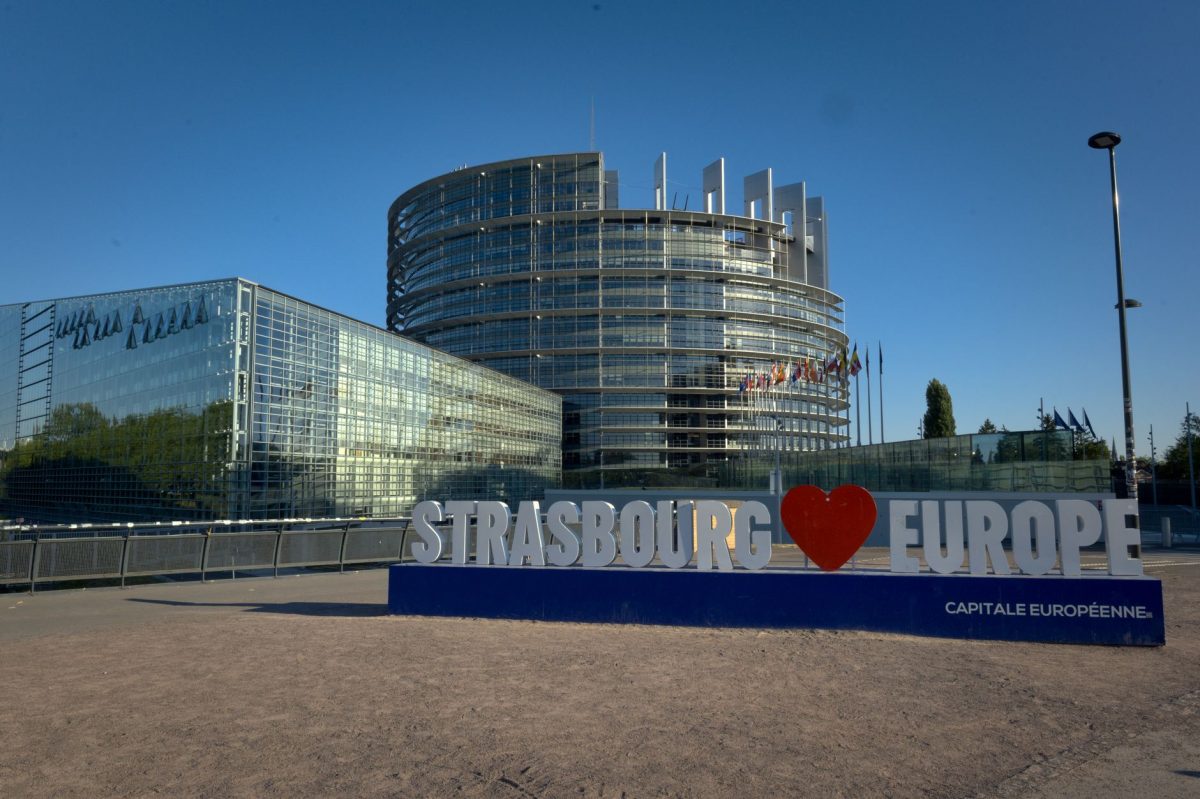
In the coming weeks and months, there are several key developments that will shape the debate around homegrown energy in Europe. The European Commission is expected to unveil a new package of energy policies aimed at promoting homegrown energy and reducing the continent's reliance on external energy sources. The package is expected to include measures to support the development of renewable energy sources, improve energy efficiency, and increase energy storage capacity. Additionally, the European Parliament will be holding a hearing on the energy crisis and the role of homegrown energy in addressing it. We will be monitoring these developments closely and providing updates as more information becomes available.
Interestingly, Denmark has been able to generate over 40% of its electricity from wind power, making it a leader in the transition to homegrown energy.
The shift to homegrown energy is a complex and multifaceted issue that requires careful consideration and planning. While there are many challenges that need to be addressed, the benefits of homegrown energy are clear. By investing in homegrown energy, Europe can reduce its reliance on external energy sources, create new economic opportunities, and contribute to the continent's overall goal of reducing greenhouse gas emissions.