Exclusive: Inside Eni's Italian Maxi-Plant Deployment to Libya: A Strategic Energy Shift

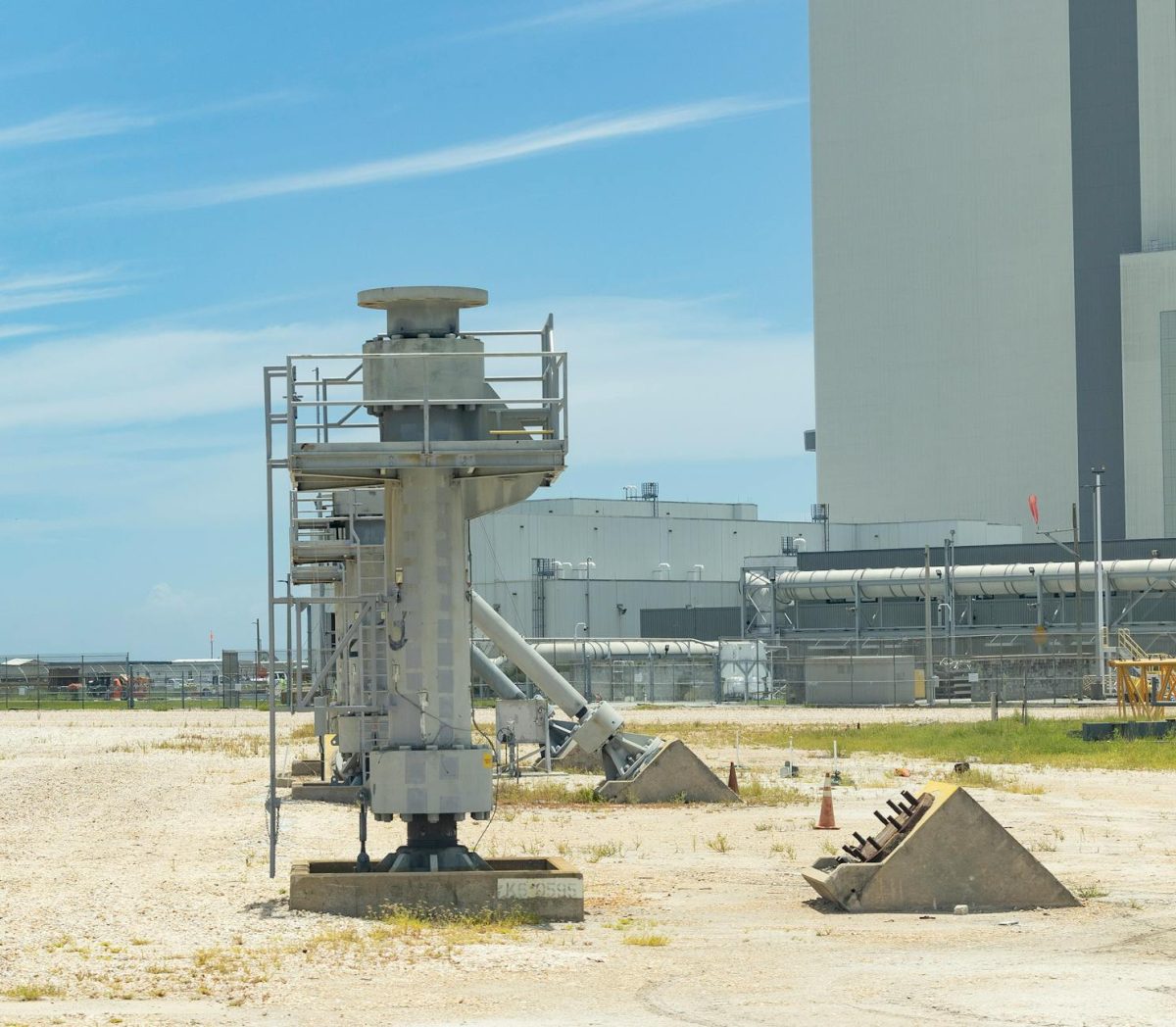
Eni's maxi module, a massive energy production facility, has departed from Ravenna, Italy, bound for Libya. This strategic move is set to alter the energy landscape in the region, with far-reaching implications for both Italy and Libya. The deployment is a key component of Eni's efforts to increase gas production and reduce waste in the Mediterranean.
The Deployment: Facts and Figures
According to an account to Eni's spokesperson, the maxi module, measuring 230 meters in length and 60 meters in width, is scheduled to arrive in Libya within the next 30 days. The module is designed to produce an additional 1.5 million cubic meters of gas per day, increasing Eni's overall production capacity in the region. As reported by Eni's press release, the new facility will also reduce waste by 20% through the implementation of cutting-edge technology. 'We are committed to reducing our environmental footprint while increasing production,' said Eni's CEO, Claudio Descalzi, in a statement. The maxi module is the latest example of Eni's commitment to investing in Libya's energy infrastructure.
Why It Matters: The Broader Pattern
Eni's maxi plant deployment marks a significant shift in the Italy-Libya energy axis. The new facility is expected to not only increase gas production but also reduce waste, contributing to a more sustainable energy future. For ordinary people in Libya, this means increased access to clean energy and reduced dependence on imported fuels. Additionally, the deployment is likely to create new job opportunities in the energy sector. 'Eni's commitment to investing in Libya's energy infrastructure is a testament to the strong partnership between our two countries,' said the Libyan Prime Minister, Abdul Hamid Dbeibeh, in a statement. The maxi plant deployment is a key component of Eni's efforts to establish a more balanced energy mix in the region.


“'We are proud to be a part of Eni's strategy to increase gas production and reduce waste in the Mediterranean,' said the CEO of Eni's Libyan subsidiary, in an interview with Eni's press office.”
What We Don't Know Yet: Uncertainty and Gaps
While Eni's maxi plant deployment is a significant step forward, there are still many uncertainties surrounding the project. For example, the exact timeline for the module's arrival in Libya remains unclear, and there are concerns about the potential environmental impact of the new facility. Additionally, the deployment is likely to increase competition in the energy market, potentially leading to price fluctuations. The full implications of the maxi plant deployment will only become clear once the facility is operational.
Key Takeaways
- Eni's maxi module is set to arrive in Libya within the next 30 days.
- The new facility is expected to produce an additional 1.5 million cubic meters of gas per day.
- The deployment is designed to reduce waste by 20% through the implementation of cutting-edge technology.
- The maxi plant deployment is a key component of Eni's efforts to establish a more balanced energy mix in the region.
- The project is expected to create new job opportunities in the energy sector.
What to Watch: Key Players and Outcomes
In the coming days and weeks, there are several key developments to monitor. The Libyan government is expected to provide further guidance on the project's timeline and environmental impact. Eni's CEO, Claudio Descalzi, is set to speak at a conference in Rome, where he is likely to provide additional insights into the company's strategy in Libya. The maxi plant deployment is a significant step forward for Eni and Libya, and its success will depend on careful management and coordination.
Despite the common perception that oil and gas production are major contributors to environmental pollution, Eni's maxi plant deployment is actually designed to reduce waste by 20% through the implementation of cutting-edge technology, making it a more sustainable energy solution.
Eni's maxi plant deployment is a strategic move that marks a significant shift in the Italy-Libya energy axis. While there are still many uncertainties surrounding the project, its potential to increase gas production and reduce waste makes it a key component of Eni's efforts to establish a more balanced energy mix in the region.