Workers Take to the Streets as International Labour Day Rallies Get Underway

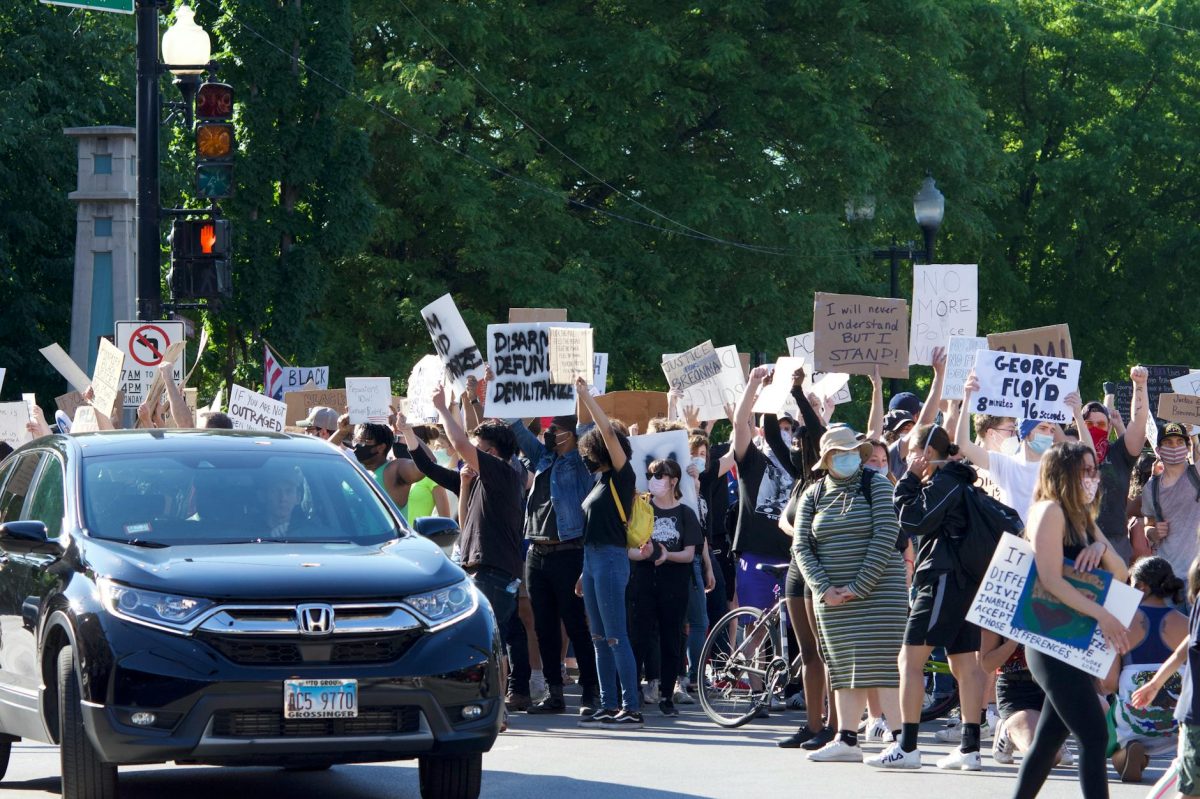
Labour Day marches are being held in numerous countries, with workers demanding better pay, improved working conditions, and greater job security. This year, the marches are taking on added significance as rising energy prices and the ongoing war in Iran threaten the global economy. The International Labour Organization estimates that over 150 countries are participating in Labour Day celebrations, with many millions of workers taking part in rallies and protests.
Labour Day Rallies Underway in Over 150 Countries
According to the International Labour Organization, over 150 countries are participating in Labour Day celebrations. The organization estimates that tens of millions of workers will be taking part in rallies and protests around the world. In the United States, the AFL-CIO estimates that over 1,000 labour events are being held, with many more expected to take place in the coming days. In Europe, the European Trade Union Confederation (ETUC) is coordinating a series of high-profile labour protests, with thousands of workers expected to march through major cities. Labour Day rallies are also being held in countries including China, India, Brazil, and South Africa, where workers are demanding improved working conditions, better pay, and greater job security. Account to the ETUC, "The war in Iran and rising energy prices are putting a huge strain on workers' lives, and it's no surprise that we're seeing increased labour unrest and protests around the world."
Why Labour Day Matters: The Impact on Ordinary People
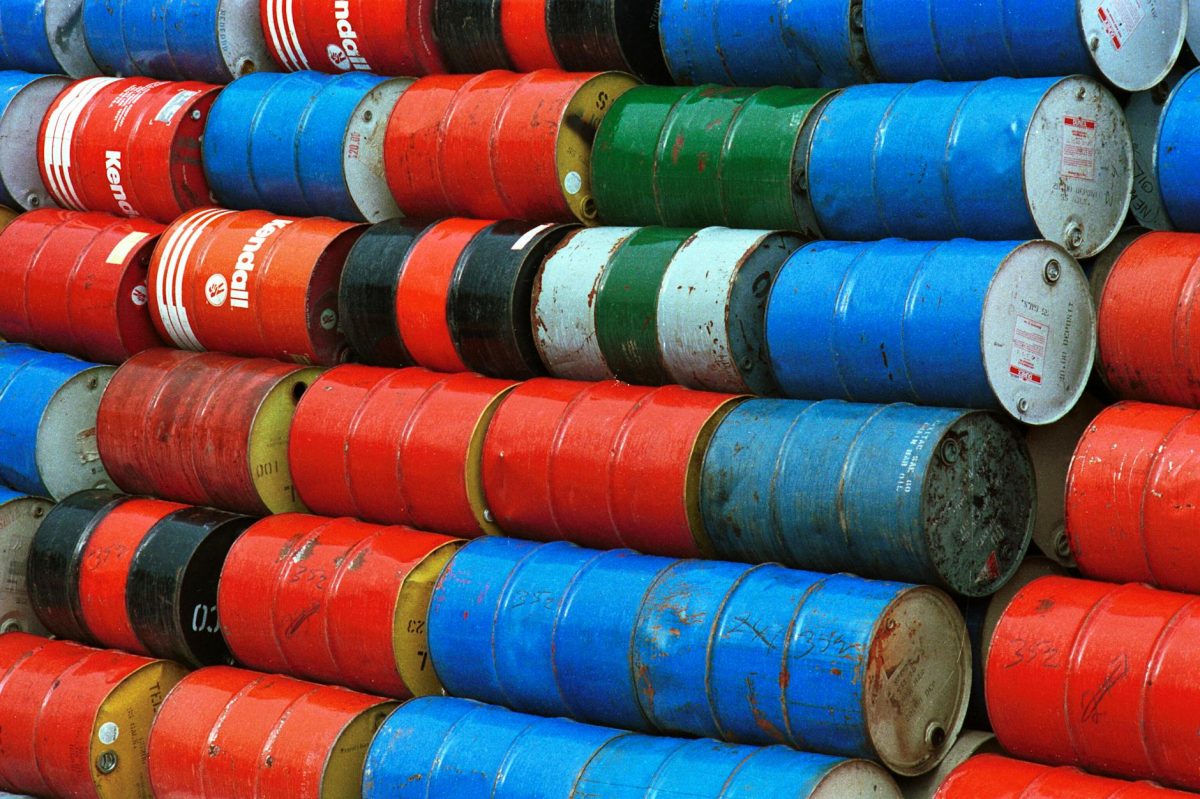
The Labour Day marches are not just about workers demanding better pay and working conditions. They are also about the impact that rising energy prices and the war in Iran are having on ordinary people. The war in Iran is causing oil prices to soar, which is having a ripple effect on the global economy. This is leading to higher prices for food, housing, and other essential goods, making it harder for people to make ends meet. In the United States, the war in Iran is expected to cost the average family an extra $1,000 per year, according to the U.S. Energy Information Administration. In Europe, the war is expected to cost the average household an extra u20ac1,500 per year, according to the European Commission. As the global economy continues to struggle, it's clear that the Labour Day marches are not just about workers' rights, but also about the impact of the war and rising energy prices on ordinary people. Furthermore, the growing trend of precarious work is also a major concern, with many workers facing uncertain income, lack of job security, and long working hours. According to a report by the Organisation for Economic Co-operation and Development (OECD), in 2020, 17.4% of the population in OECD countries were engaged in precarious work, which can have serious consequences for workers' mental and physical health. This is a critical issue that requires immediate attention and action from policymakers, employers, and trade unions to ensure that workers have access to stable and secure employment.

What We Don't Know Yet: The Uncertainty Ahead
As the Labour Day marches continue, there are still many unknowns about the impact of the war in Iran and rising energy prices on the global economy. One of the biggest uncertainties is how long the war will last and how it will affect oil prices. The war has already caused oil prices to soar, but it's unclear how they will respond to any changes in the conflict. Another uncertainty is how governments and policymakers will respond to the growing labour unrest and protests. Will they take steps to address the concerns of workers, or will they crack down on labour rights? The International Labour Organization has warned that the war in Iran and rising energy prices could lead to a global economic crisis, but it's unclear what shape that crisis will take. One thing is certain, however: the Labour Day marches are just the beginning of a long and difficult struggle for workers' rights and economic justice.
What to Watch: Key Players and Outcomes to Monitor
In the coming days, there are several key players and outcomes to watch. One of the most important will be the response of governments and policymakers to the growing labour unrest and protests. Will they take steps to address the concerns of workers, or will they crack down on labour rights? Another key player will be the International Labour Organization, which has warned that the war in Iran and rising energy prices could lead to a global economic crisis. The organization will be closely monitoring the situation and providing guidance to governments and policymakers. Finally, the outcome of the Labour Day marches will be closely watched, as they will provide a snapshot of the mood and sentiment of workers around the world. It's unclear what the outcome will be, but one thing is certain: the Labour Day marches are just the beginning of a long and difficult struggle for workers' rights and economic justice.
Interestingly, the first Labour Day was celebrated in 1886 in the United States, but it was not until 1894 that President Grover Cleveland declared it a national holiday, following a series of protests and strikes that turned violent, resulting in the deaths of several workers.
The Labour Day marches are a powerful reminder of the importance of workers' rights and economic justice. As the global economy continues to struggle, it's clear that the concerns of workers are not just about better pay and working conditions, but also about the impact of the war and rising energy prices on ordinary people. The Labour Day marches are just the beginning of a long and difficult struggle, but one thing is certain: the outcome will depend on the actions of governments, policymakers, and employers. Will they take steps to address the concerns of workers, or will they crack down on labour rights? Only time will tell.