4.2 Million Indonesians Get Rights: 22-Year Struggle Ends for Domestic Workers

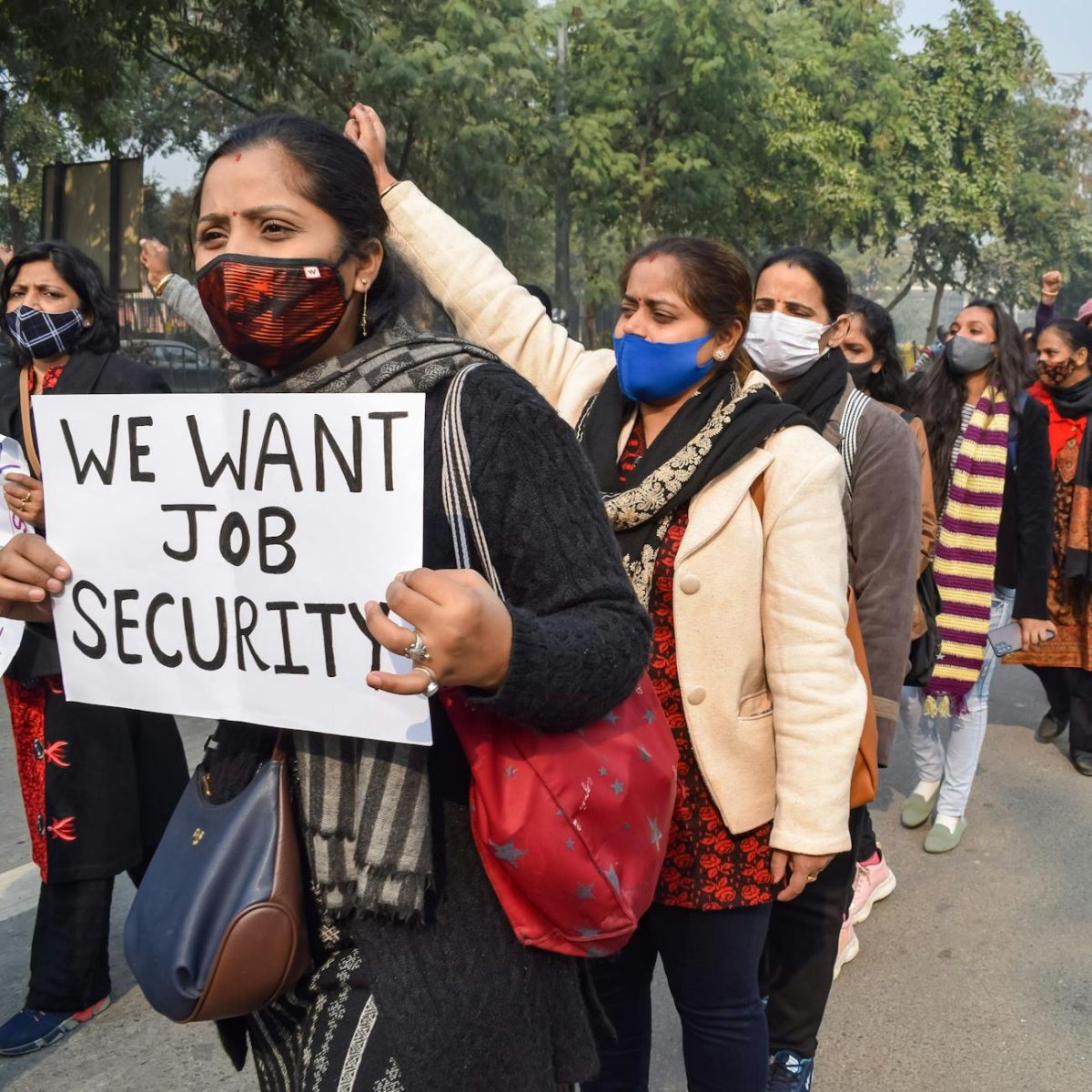
4.2 Million Indonesians Get Rights: 22-Year Struggle Ends for Domestic Workers
New law gives rights to millions of domestic workers in Indonesia after two decades of campaigning.
 By 🔗 Original source
Indonesia has finally passed a law recognizing the rights of its 4.2 million domestic workers, with almost 90% of them being women. This is a significant victory for human rights advocates who have been fighting for the workers' rights for 22 years. The new law will bring about a change in the lives of millions of women who have been exploited and underpaid.
Domestic Workers' Rights Recognized in Indonesia After 22-Year Struggle
The new law was passed by the Indonesian Parliament on March 24, 2023, after years of campaigning by human rights groups and domestic workers. According to the law, domestic workers will be protected from exploitation, forced labor, and abuse. They will also be entitled to a minimum wage, paid annual leave, and social security benefits. The law applies to all domestic workers in Indonesia, including those working in private homes, hotels, and restaurants. Account to Nurul Inayah Ismail, a human rights activist who has been fighting for domestic workers' rights, said, 'We are thrilled that the new law has been passed. It's a major victory for domestic workers and a step towards achieving equality and justice for them.'
Why It Matters: Better Lives for Millions of Women
The new law will bring about significant changes in the lives of millions of women who have been working as domestic workers in Indonesia. They will no longer be exploited and underpaid, and will have access to basic rights and benefits. This will not only improve their working conditions but also enhance their overall well-being and dignity. The law will also help to reduce poverty and inequality in Indonesia, particularly among women. According to a report by the Indonesian Human Rights Commission, domestic workers in Indonesia are among the poorest and most vulnerable groups in the country. The new law will help to address this issue and promote social justice.

“We are thrilled that the new law has been passed. It's a major victory for domestic workers and a step towards achieving equality and justice for them. - Nurul Inayah Ismail, human rights activist”
What We Don't Know Yet: Implementation and Challenges
While the new law is a significant victory for domestic workers, there are still many questions and challenges that need to be addressed. One of the major challenges is the implementation of the law, particularly in rural areas where access to information and resources may be limited. There is also a need for more awareness and education among employers and the general public about the new law and its implications. Additionally, there may be resistance from some employers who may not want to comply with the new law. According to a report by the International Labor Organization, there are still many employers in Indonesia who do not respect the rights of domestic workers. The implementation of the new law will require a concerted effort from the government, employers, and civil society organizations.
Key Takeaways
- 4.2 million domestic workers in Indonesia will be protected from exploitation and abuse under the new law.
- The law applies to all domestic workers in Indonesia, including those working in private homes, hotels, and restaurants.
- Domestic workers will be entitled to a minimum wage, paid annual leave, and social security benefits.
- The law will help to reduce poverty and inequality in Indonesia, particularly among women.
- Implementation of the law will require a concerted effort from the government, employers, and civil society organizations.
What to Watch: Key People and Outcomes
The next 24-72 hours will be crucial in determining the success of the new law. Key people to watch include Nurul Inayah Ismail, the human rights activist who has been fighting for domestic workers' rights, and the Indonesian government, which will need to ensure the effective implementation of the law. The outcomes to watch include the number of employers who comply with the new law, the level of awareness and education among employers and the general public, and the impact of the law on the lives of domestic workers. According to a report by the Indonesian Human Rights Commission, the new law has the potential to improve the lives of millions of women in Indonesia. However, its success will depend on the effective implementation of the law and the commitment of the government and employers to respecting the rights of domestic workers.
Despite the significant progress made in protecting the rights of domestic workers, many people are not aware that domestic workers are actually the largest group of workers in the informal sector in Indonesia, making up over 10% of the total workforce.
The new law is a major victory for domestic workers in Indonesia and a step towards achieving equality and justice for them. However, its success will depend on the effective implementation of the law and the commitment of the government and employers to respecting the rights of domestic workers. The next 24-72 hours will be crucial in determining the success of the new law, and key people to watch include Nurul Inayah Ismail and the Indonesian government.