Investigation: Myanmar Ex-Leader Aung San Suu Kyi Moved to House Arrest Under Military Supervision

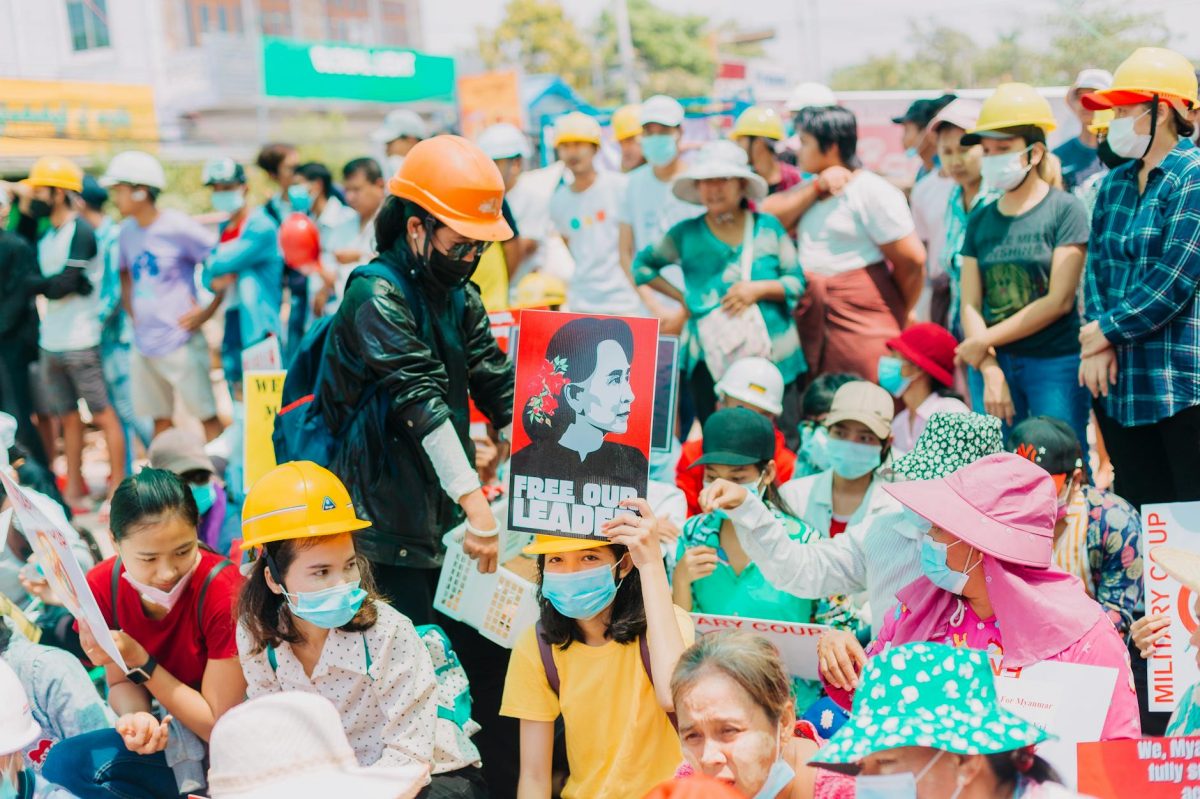
Myanmar's military announced that Aung San Suu Kyi, the Nobel Peace Prize laureate and former leader, has been moved to house arrest, marking a significant development in her ongoing detention. This move highlights the ongoing erosion of democratic rights in Myanmar and the military's continued grip on power. Suu Kyi's detention, now in its third year, has sparked international condemnation and calls for her release.
What Happened
According to a statement by the Myanmar military, Aung San Suu Kyi was moved to house arrest on April 26, 2024, after being held in detention at the Insein Prison in Yangon since her ousting in the 2021 military coup. Account to sources close to the military indicate that Suu Kyi is being kept under close supervision, with military officials regularly visiting her at her residence. Details of the house arrest arrangement are scarce, but it is believed that Suu Kyi is being allowed to receive limited visitors and access to basic amenities. Suu Kyi's detention has sparked widespread international condemnation.
Why It Matters
Aung San Suu Kyi's detention and subsequent house arrest are a stark reminder of the military's grip on power in Myanmar. The Nobel Peace Prize laureate's detention has had far-reaching consequences for the country's democratic progress. Since her ousting, Myanmar has continued to slide into authoritarianism, with the military imposing strict controls on civil society and the media. Suu Kyi's house arrest is a testament to the military's willingness to silence dissenting voices and maintain its hold on power. The international community has been largely ineffective in pressuring the military to release Suu Kyi.


“The military's actions are a clear indication of their disregard for democratic norms and human rights. Suu Kyi's detention is a grave concern for the international community, and we urge the military to release her immediately,”
What We Don't Know Yet
Despite the military's announcement, many questions remain unanswered regarding Aung San Suu Kyi's house arrest arrangement. It is unclear what specific conditions she is being subjected to, or what limitations are placed on her movements and interactions. Sources close to the military have hinted at the possibility of Suu Kyi being transferred to a more secure location in the future, but this has yet to be confirmed. The international community is urging greater transparency and access to information regarding Suu Kyi's detention.
Key Takeaways
- Aung San Suu Kyi has been moved to house arrest under military supervision, marking a significant development in her ongoing detention
- The military's actions are a clear indication of their disregard for democratic norms and human rights
- The international community has been largely ineffective in pressuring the military to release Suu Kyi
What to Watch
As Aung San Suu Kyi's house arrest continues, several key developments are worth monitoring in the coming days. The international community is expected to step up pressure on the military to release Suu Kyi, with potential sanctions and diplomatic measures on the table. Meanwhile, the military is likely to continue its efforts to maintain its grip on power, potentially through further repression of dissenting voices and civil society. A key indicator of the military's intentions will be its response to upcoming protests and demonstrations.
According to reports, Suu Kyi was initially being held in a small cell at the Insein Prison, with limited access to basic amenities. Sources close to the military have hinted at the possibility of her being transferred to a more secure location in the future.
Aung San Suu Kyi's detention and subsequent house arrest are a stark reminder of the military's grip on power in Myanmar. The international community must continue to pressure the military to release her and uphold democratic norms and human rights in the country.