Exclusive: Inside the UN Fossil Fuel Talks in Colombia - 60 Countries Meet to Tackle Climate Change

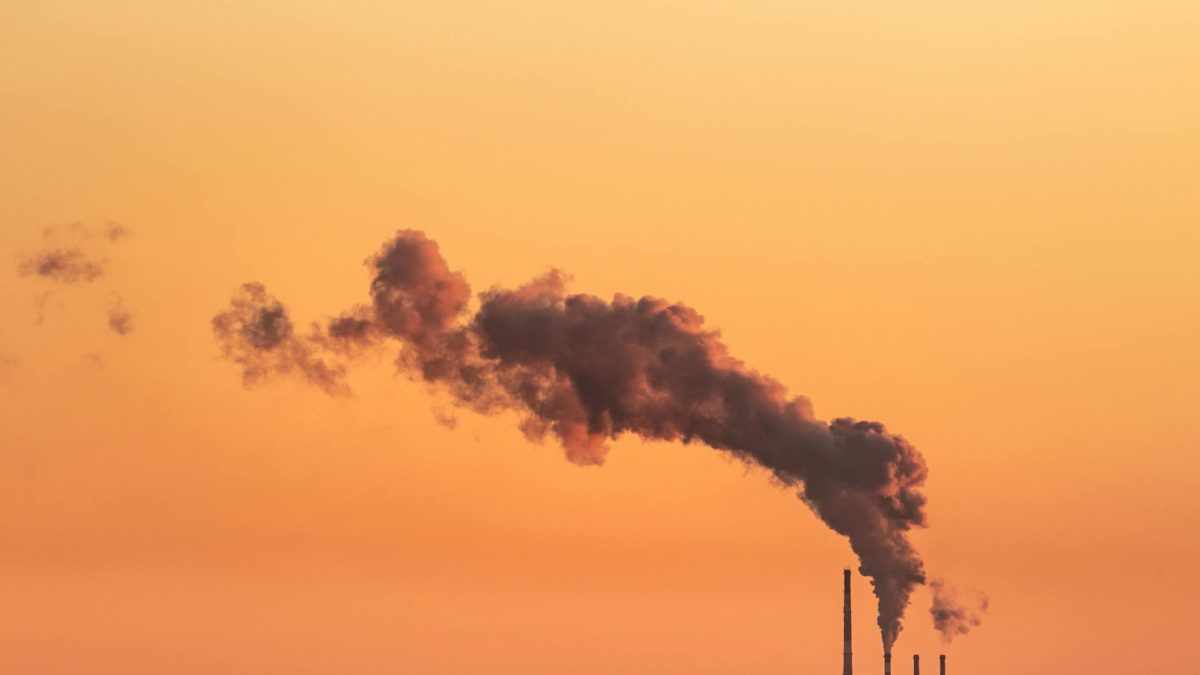
Exclusive: Inside the UN Fossil Fuel Talks in Colombia - 60 Countries Meet to Tackle Climate Change
Countries are meeting in Colombia to discuss a potential phase-out of fossil fuels, but progress remains uncertain.
 By 🔗 Original source
Representatives from 60 countries have gathered in Colombia as the United Nations tries to address the global climate crisis. This meeting marks a significant step towards reducing fossil fuel emissions, but the road to a final agreement is expected to be long and challenging.
What Happened
Account to UN Environment Programme executive director, Inger Andersen, revealed that the talks have been marked by frustration and a lack of progress. The meeting, held in Cartagena, Colombia, has seen representatives from various countries discuss the phase-out of fossil fuels, but no concrete agreements have been reached. According to a source, the talks have been hindered by disagreements over the timeline and the role of fossil fuels in the global energy mix. In an interview, Andersen stated, 'We are seeing a clear shift in the narrative, but the pace of change needs to be accelerated.' The meeting has been attended by representatives from countries including the United States, China, and India, who are all major consumers of fossil fuels.
Why It Matters
The potential phase-out of fossil fuels has significant implications for ordinary people. If implemented, it could lead to a shift towards renewable energy sources, which could create new job opportunities and improve public health. Furthermore, a reduction in fossil fuel emissions could help mitigate the effects of climate change, which affects people's lives and livelihoods. In the long term, this could also lead to a decrease in energy costs and an improvement in air quality. However, the transition to renewable energy sources would require significant investment and infrastructure development, which could pose challenges for some countries.


“We are seeing a clear shift in the narrative, but the pace of change needs to be accelerated.”
What We Don't Know Yet
Despite the progress made, there are still several uncertainties surrounding the phase-out of fossil fuels. One of the key questions is how countries will transition to renewable energy sources, and what the timeline for this transition will be. Additionally, there is a lack of clarity on how the phase-out will be implemented, and what the consequences will be for countries that are heavily reliant on fossil fuels. Furthermore, the role of emerging technologies, such as carbon capture and storage, in the transition to renewable energy sources is still unclear. Experts have also highlighted the need for greater cooperation and coordination between countries to achieve a successful phase-out.
What to Watch
In the next 24-72 hours, key people to monitor include Inger Andersen and the representatives from the 60 countries attending the talks. Realistic outcomes to watch out for include a final agreement on the phase-out of fossil fuels, or a clear plan for the transition to renewable energy sources. Additionally, any developments on the role of emerging technologies in the transition will be worth monitoring. It is expected that the talks will continue beyond this week, with a potential breakthrough expected in the coming months.
Interestingly, some of the largest oil-producing countries are also investing heavily in renewable energy, with Saudi Arabia and the United Arab Emirates leading the way in solar energy development, highlighting the complexity and nuance of the global energy landscape.
The potential phase-out of fossil fuels is a significant step towards addressing the global climate crisis. While the road to a final agreement is expected to be long and challenging, the talks in Colombia mark an important milestone in the journey towards a more sustainable future.