Elon Musk's SpaceX Warns on Unproven Tech for Mars Colony Plans in $US 127.5 Billion IPO Filing

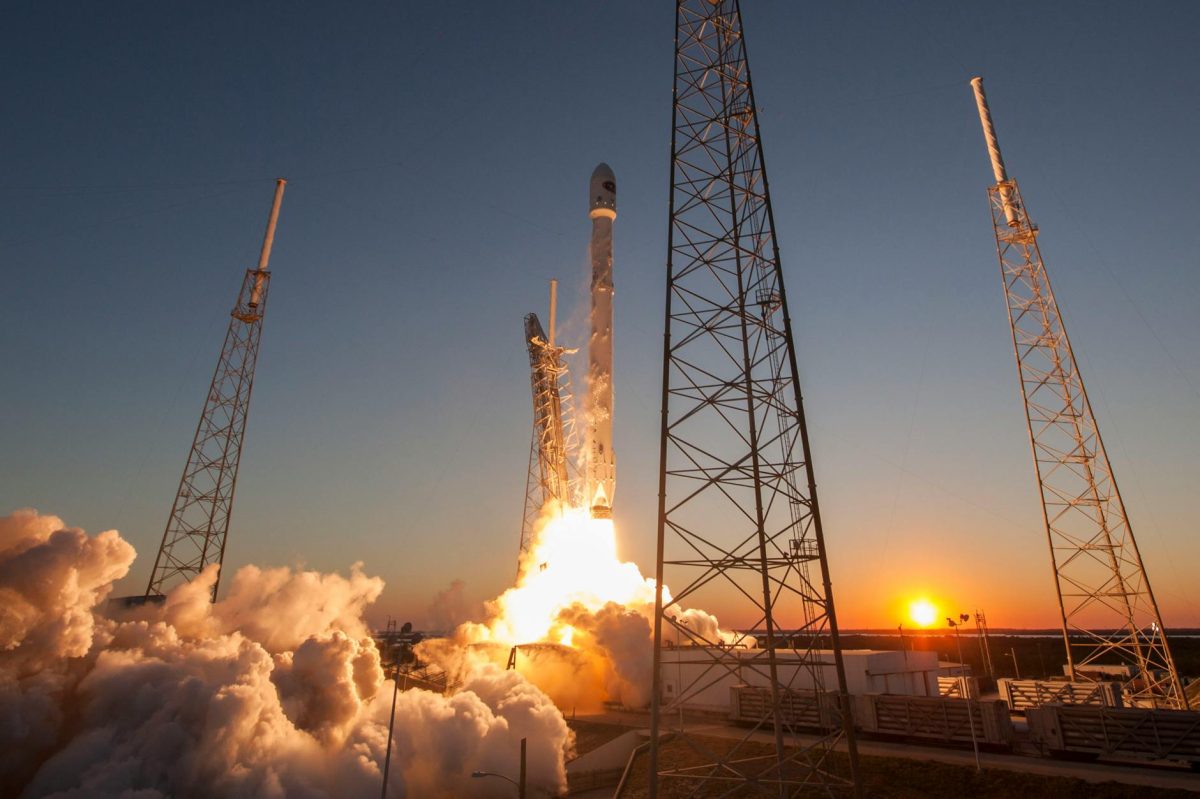
Elon Musk's SpaceX Warns on Unproven Tech for Mars Colony Plans in $US 127.5 Billion IPO Filing
Company cites risks of orbital datacenters in bid for massive investment.
 By 🔗 Original source
In SpaceX's highly anticipated $US 127.5 billion IPO filing, the company revealed that its ambitious plans for orbital datacenters and a human colony on Mars rely heavily on unproven technology, leaving investors with concerns about the venture's feasibility. The disclosure has sparked debate among industry experts about the risks involved in pushing the boundaries of space technology. This development is significant because SpaceX's success in establishing a human settlement on Mars could be a major milestone in space exploration and potentially have far-reaching consequences for the global economy and society.
SpaceX Reveals Unproven Tech in IPO Filing
According to a Bloomberg report, SpaceX's IPO filing, which was submitted last week, contains a section titled "Risk Factors" that highlights the company's reliance on unproven technology for its orbital datacenters and Mars colony plans. The document states that the technology, including a system for transporting large quantities of fuel to orbit, is still in the experimental phase and has not been tested in a real-world setting. "Our orbital datacenters are still in the experimental phase, and we have not yet proven that they can be commercially viable," the filing states. The company has also cautioned investors that its Mars colony plans are subject to significant risks, including the development of a reliable transportation system and the creation of a sustainable ecosystem on the Martian surface. This is a major concern because SpaceX's success in establishing a human settlement on Mars could be a major milestone in space exploration and potentially have far-reaching consequences for the global economy and society. For example, the company plans to use its orbital datacenters to provide high-speed internet connectivity to remote areas of the world, potentially revolutionizing the way people access information and communicate with each other. However, if the technology fails to deliver, it could have significant economic and social implications. According to a report by the market research firm, IDC, the global market for space-based internet services is expected to reach $US 1.5 billion by 2025.
What Does This Mean for Ordinary People?
The implications of SpaceX's reliance on unproven technology are far-reaching and could have significant consequences for ordinary people. If the company's orbital datacenters and Mars colony plans fail to deliver, it could have a major impact on the global economy and society. For example, if the company is unable to provide high-speed internet connectivity to remote areas of the world, it could exacerbate existing social and economic inequalities. Additionally, the failure of SpaceX's Mars colony plans could have a major impact on the space industry as a whole, potentially setting back progress in space exploration and development. According to a report by the space industry analyst, Morgan Stanley, the global space industry is expected to reach $US 1 trillion by 2040.


“We are taking a bold approach to space exploration and development, and we recognize that there are risks involved. However, we believe that the potential rewards are worth the risks, and we are committed to pushing the boundaries of what is possible in space.”
What Questions Remain?
Despite the significant progress that SpaceX has made in its orbital datacenters and Mars colony plans, there are still many questions that remain unanswered. For example, how will the company's reliance on unproven technology impact its ability to deliver on its promises? What are the potential risks and consequences of failure, and how will the company mitigate them? Additionally, what are the implications of SpaceX's plans for the global economy and society, and how will the company's success or failure impact the space industry as a whole? According to a report by the space industry analyst, Credit Suisse, the global space industry is still in the early stages of development, and there are many challenges that need to be addressed before it can reach its full potential.
What to Watch in the Next 24-72 Hours
The next 24-72 hours will be critical in determining the impact of SpaceX's IPO filing on the company's stock price and the broader space industry. Investors will be closely watching the company's stock price, which is expected to open at $US 200 per share, and will be looking for any signs of weakness or strength. Additionally, the company's leadership team, including CEO Elon Musk, will be under intense scrutiny as they answer questions from investors and analysts about the company's plans and prospects. According to a report by the financial news service, CNBC, Elon Musk will be hosting a live Q&A session on Twitter tonight at 8pm EST.
Despite the high costs and risks involved, establishing a human settlement on Mars could potentially save humanity from extinction in the event of a global catastrophe on Earth, with some scientists estimating that the probability of human extinction is as high as 1 in 6 over the next 100 years.
The success of SpaceX's orbital datacenters and Mars colony plans will depend on the company's ability to overcome the risks and challenges involved. While there are many questions that remain unanswered, one thing is certain: the potential rewards are worth the risks. As the company continues to push the boundaries of what is possible in space, it will be essential to monitor its progress and address any concerns that arise along the way.