Chile Pepper Farmers: Women Take Center Stage in Indian Agriculture

Chile Pepper Farmers: Women Take Center Stage in Indian Agriculture
In the state of Rajasthan, women chile pepper farmers outnumber their male counterparts, defying traditional roles and expectations.
 By 🔗 Original source
In a region where chile peppers are a staple ingredient in Indian cuisine, women farmers in Rajasthan are leading the charge, citing the demanding nature of the crop as a reason why men are less likely to take up the trade.
Women Farmers Overcome Challenges in Chile Pepper Cultivation
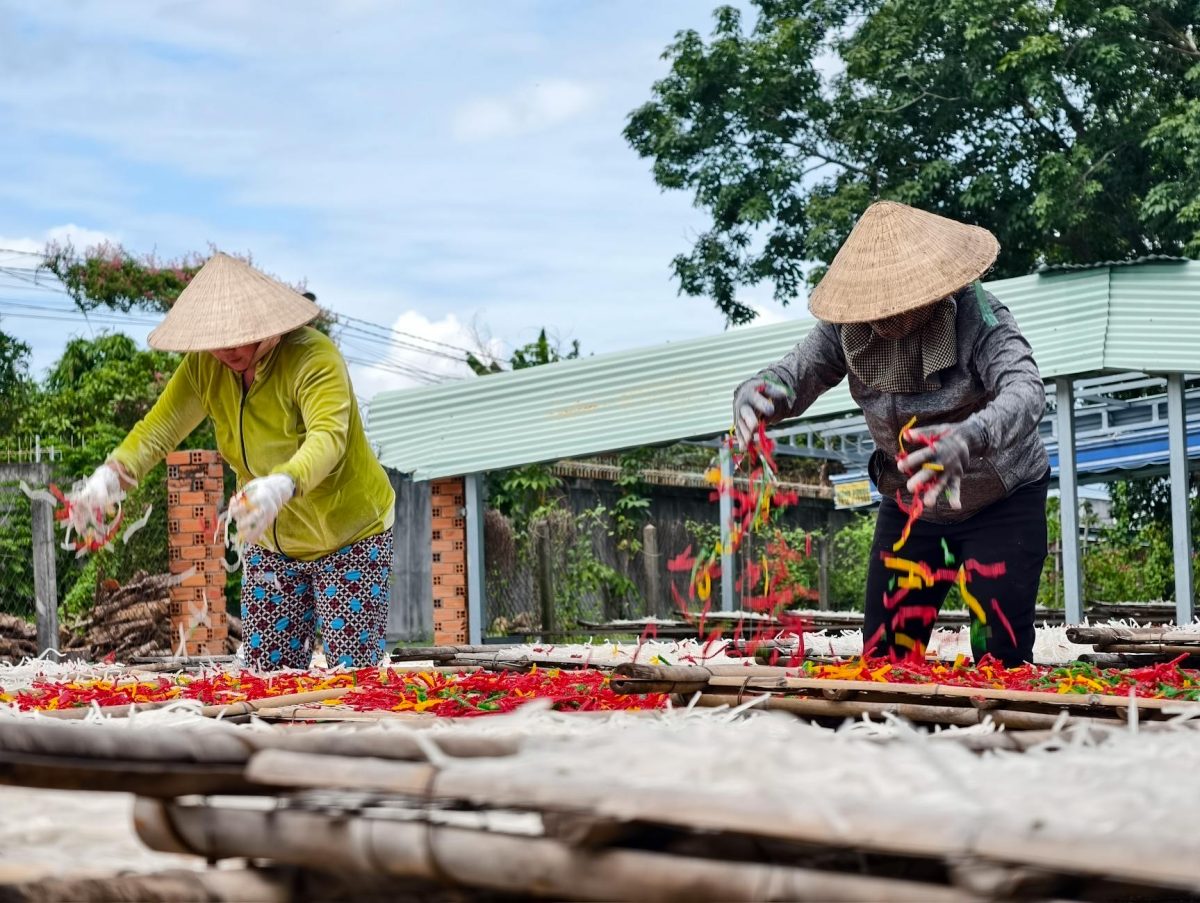
According to an account by Rajkumari, a local farmer, chile pepper cultivation is a labor-intensive process that requires careful attention to detail, particularly during the rainy season when the crop is most vulnerable. 'We have to work throughout the night to ensure the chile peppers are dry,' Rajkumari said, 'but in spite of the challenges, we've found freedom in our work.' Rajkumari owns a 5-acre farm in the village of Dhanwar, where she grows various varieties of chile peppers, including the popular 'Dhani' and 'Rajnagar' varieties. In Rajasthan, women farmers like Rajkumari are not only outnumbering their male counterparts but also earning higher profits than their male counterparts, with some women farmers reporting earnings of up to ₹1 lakh per acre per year.
Breaking Stereotypes: Women in Agriculture
The dominance of women in chile pepper farming is a testament to their hard work and dedication to the craft. In a society where women are often relegated to secondary roles, these farmers are breaking stereotypes and proving that they can succeed in one of the most demanding professions. By working in agriculture, women farmers are not only improving their economic situations but also gaining a sense of independence and self-worth. According to a report by the International Fund for Agricultural Development (IFAD), women farmers in India are more likely to invest their earnings in their children's education and healthcare, leading to better outcomes for their families. Furthermore, women farmers are also more likely to adopt sustainable farming practices, which have a positive impact on the environment.


“We have to work throughout the night to ensure the chile peppers are dry, but in spite of the challenges, we've found freedom in our work.”
Uncovering the Challenges Faced by Women Farmers
While the success of women farmers in chile pepper cultivation is a remarkable achievement, there are still many challenges that they face. One of the main challenges is access to credit and financial resources, which can limit their ability to invest in their farms and expand their operations. Additionally, women farmers often lack access to technology and training, which can make it difficult for them to adopt new farming practices and improve their yields. According to a report by the World Bank, women farmers in India face a significant gap in access to credit, with only 18% of women farmers having access to formal credit compared to 35% of men. Furthermore, women farmers are also more likely to face harassment and violence, particularly in rural areas where they may have limited access to support services.
Key Takeaways
- Women farmers in Rajasthan outnumber their male counterparts in chile pepper cultivation.
- Women farmers in chile pepper cultivation earn higher profits than their male counterparts.
- Women farmers are more likely to adopt sustainable farming practices, which have a positive impact on the environment.
- Women farmers face significant challenges in access to credit and financial resources, technology, and training.
What to Watch: The Future of Women in Agriculture
As the demand for chile peppers continues to grow, women farmers in Rajasthan are well-positioned to take advantage of the opportunities. However, they will need to continue to overcome the challenges they face in order to succeed. In the next 24-72 hours, we can expect to see the Indian government announce new initiatives to support women farmers, including increased access to credit and financial resources. We will also be watching for the release of new data on the impact of women farmers on the environment and the economy.
The dominance of women in chile pepper farming in Rajasthan is a testament to their hard work and dedication to the craft. As the demand for chile peppers continues to grow, women farmers will need to continue to overcome the challenges they face in order to succeed. However, with the right support and resources, they have the potential to make a significant impact on the environment and the economy.