The Female Gaze Revolution: Women's Desires Take Center Stage in Film, TV, and Fiction

The Female Gaze Revolution: Women's Desires Take Center Stage in Film, TV, and Fiction
From romantasy novels to premium TV dramas, creators are prioritizing women's agency, desires, and interior lives, driving a cultural shift that's proving good for business
 By 🔗 Original source
In 2019, romance novelist Helen Hoang's debut novel 'The Kiss Quotient' became a surprise hit, selling over 100,000 copies in its first year. This success story matters because it signals a seismic shift in the way women's desires and experiences are being represented in popular culture.
The Rise of the Female Gaze
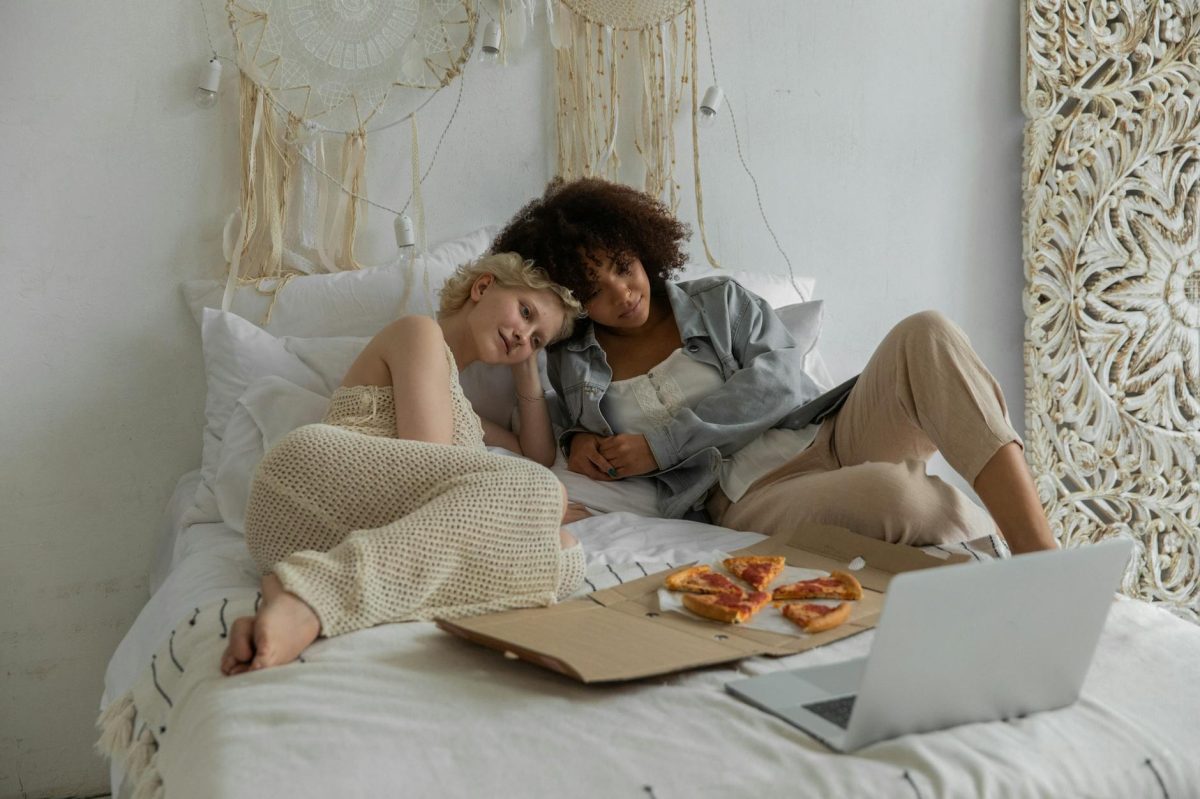
The past decade has seen a significant increase in stories that center women's experiences, desires, and agency. According to a report by the Geena Davis Institute on Gender in Media, in 2019, 44% of films featured a female lead, up from 31% in 2010. TV shows like 'The Handmaid's Tale', 'Big Little Lies', and 'Outlander' have also gained massive followings by focusing on women's lives and desires. Account to producer and writer, Shonda Rhimes, 'The success of shows like 'Scandal' and 'Grey's Anatomy' has shown that women want to see themselves reflected in stories, and they're hungry for more.' One small but telling detail: the popularity of romantasy novels, which often feature strong female protagonists and explicit content, has led to the rise of new publishing imprints, such as Berkley Heat, which focuses on erotic romance.
Why the Female Gaze Matters
The shift towards more women-centered stories reflects a broader cultural recognition of women's autonomy and agency. According to Dr. Laura Mulvey, a film theorist, 'The female gaze is not just about women looking at things, it's about women being in control of their own narratives.' This change has significant implications for ordinary people, particularly women, who are now more likely to see themselves reflected in the media they consume. As a result, women are more likely to feel seen, heard, and empowered. Moreover, research has shown that increased representation of women in media can lead to a decrease in sexism and misogyny.
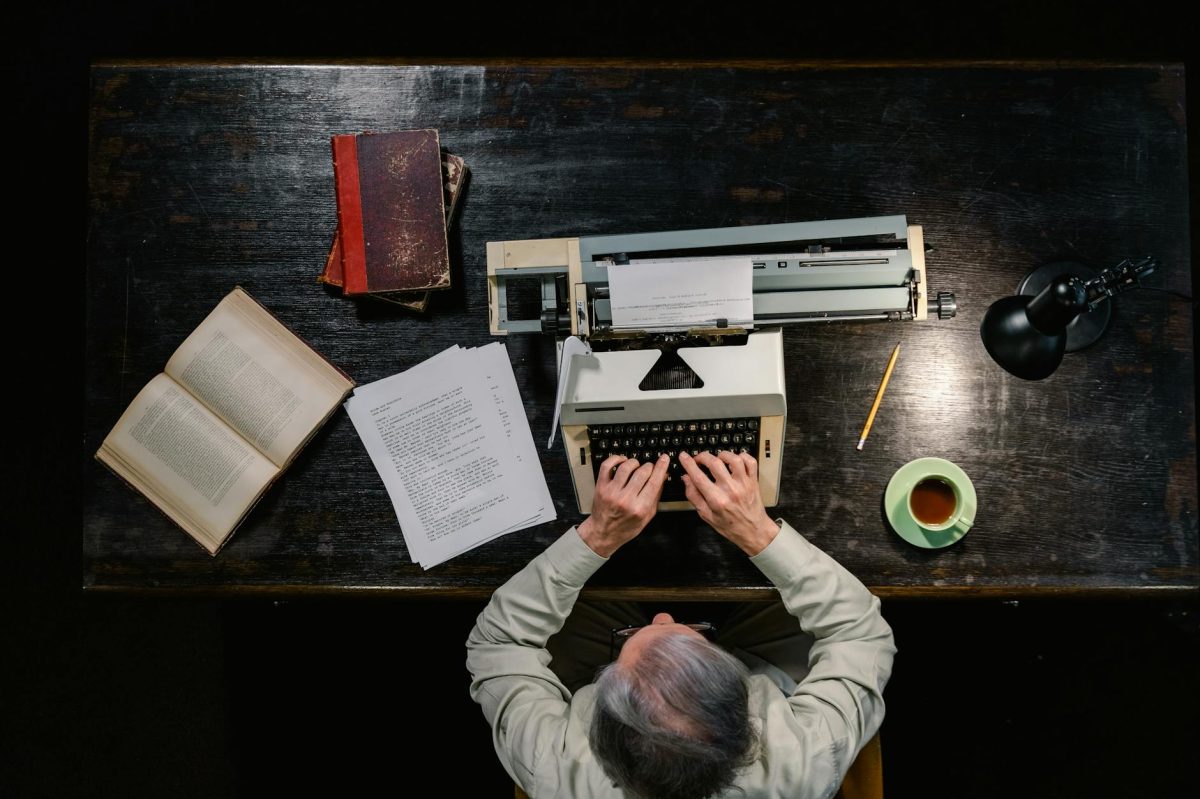
“As Helen Hoang, romance novelist, noted in an interview with The Guardian, 'Women want to experience pleasure, and they want to read about it.'”
What We Don't Know Yet
While the shift towards more women-centered stories is clear, there are still significant gaps in representation. According to a report by the USC Annenberg Inclusion Initiative, in 2020, women made up only 12% of directors working on the top 100 grossing films. Moreover, stories that center women's experiences are still often ghettoized or relegated to specific genres, such as romance or chick-lit. The question remains: will this shift towards more women-centered stories be a permanent revolution, or will it fade as a trend?
Key Takeaways
- The female gaze is revolutionizing the way women's desires and experiences are represented in film, TV, and fiction.
- Women-centered stories are driving profits for publishers, producers, and studios.
- The shift towards more women-centered stories reflects a broader cultural recognition of women's autonomy and agency.
- Despite progress, significant gaps in representation remain, particularly in terms of women of color and women in leadership positions.
- The success of women-centered stories is leading to increased diversity and inclusivity in media.
What to Watch
In the next 24-72 hours, monitor the response to new releases, such as the film adaptation of 'The Kiss Quotient' and the upcoming season of 'The Handmaid's Tale'. Key people to watch include producers and writers like Shonda Rhimes, Helen Hoang, and Margaret Atwood, who are driving this cultural shift. Realistic outcomes include increased profits for studios and publishers that prioritize women-centered stories, as well as a continued shift towards more diverse and inclusive representation in media.
The female gaze revolution is changing the way we tell stories, and it's about time. By prioritizing women's agency, desires, and experiences, creators are not only driving profits but also promoting a more inclusive and diverse cultural landscape.