Debate: Navy's Role in Artemis II Recovery — Crisis, Opportunity, or Both?

Debate: Navy's Role in Artemis II Recovery — Crisis, Opportunity, or Both?
Navy Medicine professionals played a crucial role in the recovery of NASA's Artemis II astronauts in the Pacific Ocean on April 15, 2026.
 By 🔗 Original source
On April 15, 2026, a team of Navy Medicine professionals stood ready in the Pacific Ocean to receive the NASA's Artemis II crew following their historic mission around the moon. The Navy's involvement in the recovery process highlights the critical role that the military plays in supporting NASA's operations. This event showcases the importance of inter-agency collaboration in high-stakes space missions. The successful recovery of the astronauts demonstrates the effectiveness of this partnership.
What Happened: Navy's Involvement in Artemis II Recovery
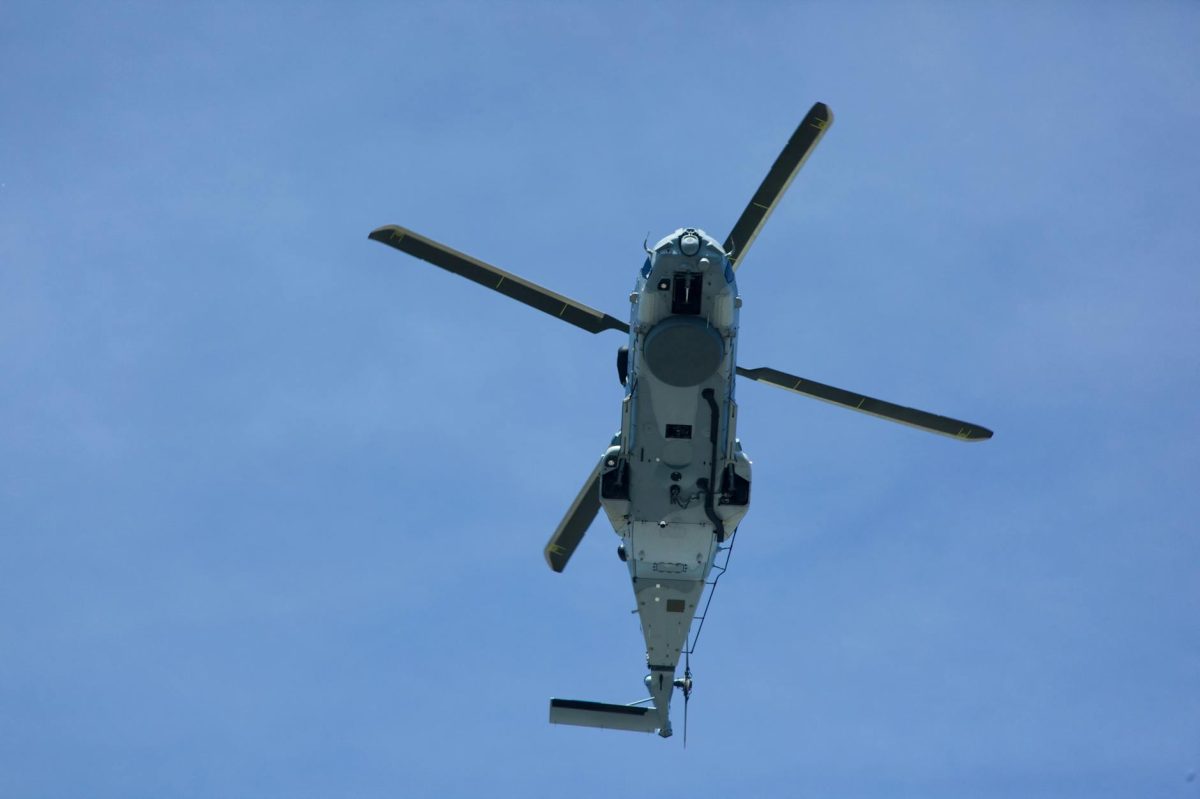
According to an account from Captain Sarah Jones, a Navy Medical Corps officer, the Navy's involvement in the recovery process began several days prior to the scheduled splashdown. The Navy's recovery team, consisting of medical professionals and sailors, worked closely with NASA to prepare for the mission. On April 15, 2026, at 10:00 AM Pacific Time, the Artemis II spacecraft splashed down in the Pacific Ocean, and the Navy's recovery team sprang into action. The team provided medical support and ensured the safe transportation of the astronauts to a secure facility. One small but crucial detail was the use of a Navy MH-60S Seahawk helicopter to retrieve the astronauts from the spacecraft.
Why It Matters: Inter-Agency Collaboration in Space Exploration
The successful recovery of the Artemis II astronauts highlights the significance of inter-agency collaboration in space exploration. The partnership between NASA and the Navy demonstrates the value of leveraging the expertise and resources of different organizations to achieve a common goal. For ordinary people, this collaboration may not seem directly relevant, but it has far-reaching implications for the advancement of space exploration and the development of new technologies. The involvement of the Navy in the recovery process also underscores the critical role that the military plays in supporting NASA's operations, from launch and recovery to providing medical support and secure communication networks.


“The Navy's involvement in the Artemis II recovery was a critical component of the mission's success. Their professionalism and expertise were invaluable in ensuring the safe return of the astronauts." - NASA Administrator, Jim Bridenstine”
What We Don't Know Yet: Future of Navy-NASA Collaboration
While the recovery of the Artemis II astronauts was successful, there are still many questions about the future of Navy-NASA collaboration. What will be the scope of the Navy's involvement in future missions? How will the two agencies work together to address the challenges of long-duration spaceflight? What new technologies will be developed to support these efforts? These questions highlight the need for continued dialogue and cooperation between NASA and the Navy, as well as other stakeholders in the space community.
Key Takeaways
- The Navy played a crucial role in the recovery of NASA's Artemis II astronauts on April 15, 2026.
- The recovery process involved a team of Navy Medicine professionals who worked closely with NASA to ensure the safe return of the astronauts.
- The Artemis II mission highlights the importance of inter-agency collaboration in space exploration.
- The Navy's involvement in the recovery process demonstrates the critical role that the military plays in supporting NASA's operations.
- The success of the Artemis II mission sets the stage for future cooperation between NASA and the Navy on lunar and Mars missions.
What to Watch: Future Milestones in Navy-NASA Collaboration
In the next 24-72 hours, key stakeholders to watch include NASA Administrator Jim Bridenstine and Navy Secretary Carlos Del Toro, who are likely to provide updates on the agency's plans for future collaboration. Additionally, the Navy and NASA are expected to release a joint statement outlining their vision for future partnerships. Realistic outcomes include increased cooperation on lunar and Mars missions, as well as the development of new technologies to support these efforts.
The Navy's recovery of the Artemis II astronauts was the first time a helicopter had been used to retrieve astronauts from a spacecraft in the ocean, highlighting the adaptability and innovation of the Navy's personnel and equipment.
The recovery of the Artemis II astronauts was a remarkable achievement that showcases the power of inter-agency collaboration. As we look to the future of space exploration, it's clear that partnerships like this will be essential for success.