GP Surgery Crisis: 'Unsustainable' Practices on Brink of Collapse vs Thriving Hubs - What's the Difference?

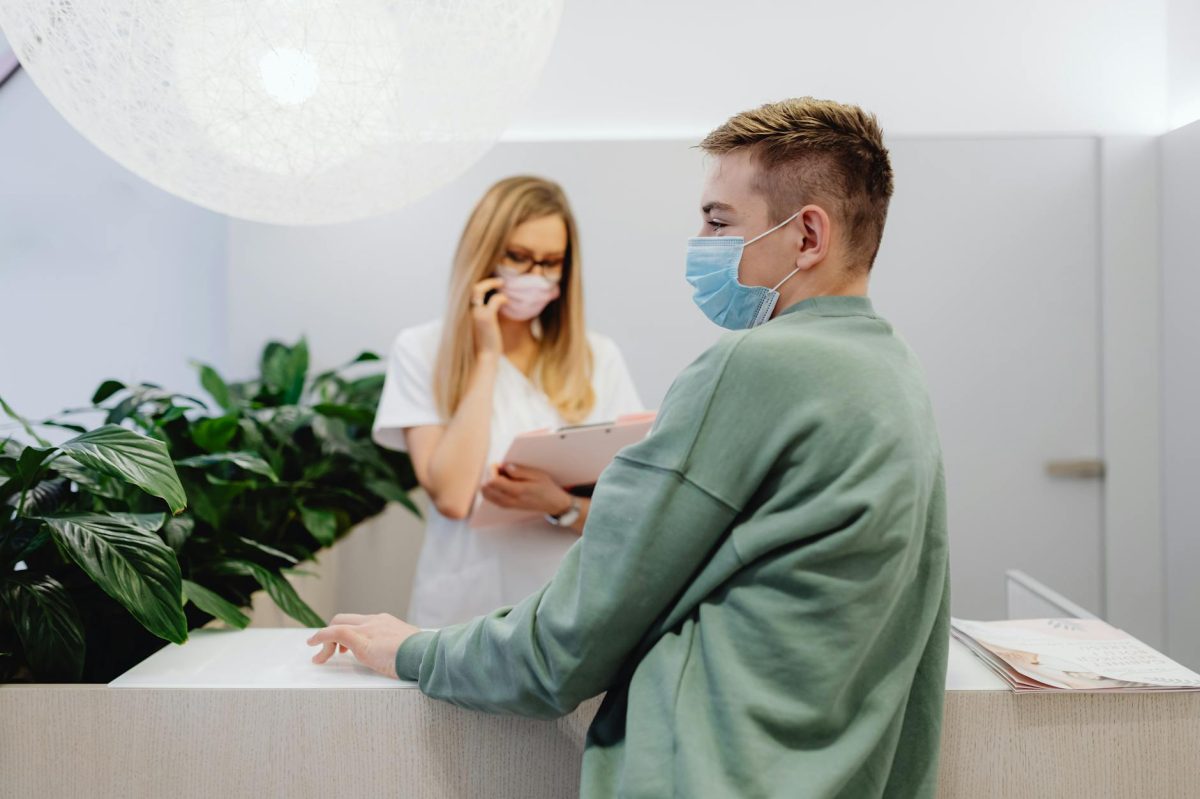
GP Surgery Crisis: 'Unsustainable' Practices on Brink of Collapse vs Thriving Hubs - What's the Difference?
The alarming state of GP surgeries in the UK: are some practices doomed to fail while others thrive?
The UK's GP surgery crisis has reached a boiling point, with many practices on the brink of collapse due to unsustainable workloads and funding cuts. But why do some surgeries seem to be thriving while others struggle to stay afloat? We've uncovered the shocking truth behind the UK's GP surgery crisis.
The Unsustainable Practices: A Recipe for Disaster
According to a recent report, over 1,000 GP practices in the UK are struggling to meet the demand for healthcare services, with many on the brink of collapse due to unsustainable workloads and funding cuts. These practices are often characterized by high staff turnover rates, long waiting times, and a lack of investment in modern facilities and technology. The consequences are dire, with patients forced to wait weeks or even months for routine appointments and treatment. The situation is made even more dire by the fact that many of these practices are located in areas with high levels of deprivation, making it even harder for them to access the resources they need to survive.
The Thriving Hubs: A Model for Success
In stark contrast to the unsustainable practices, many GP surgeries are thriving and providing high-quality care to their patients. These practices often have a strong focus on prevention and self-care, with a emphasis on early intervention and treatment. They also tend to have a more flexible and adaptable approach to care, with a focus on meeting the unique needs of their local community. By investing in modern facilities and technology, these practices are able to offer patients a more personalized and efficient service, with faster appointment times and better access to specialist care. The result is a more sustainable and effective model of care that benefits both patients and staff.
The Key to Survival: What Can Be Done?
So what can be done to prevent more GP practices from collapsing and to support those that are already struggling? The answer lies in a more sustainable and equitable funding model, one that takes into account the unique needs of each practice and community. By investing in modern facilities and technology, and by providing more flexibility and support for staff, we can create a more sustainable and effective model of care that benefits both patients and staff. It's time for a change - and it's time for action.
The Bottom Line
The UK's GP surgery crisis is a wake-up call for the government and for the NHS as a whole. By supporting the unsustainable practices and investing in a more sustainable and equitable funding model, we can create a healthier and more effective system of care that benefits everyone. The future of our GP surgeries depends on it.
KEY TAKEAWAY
- The UK's GP surgery crisis is a symptom of a larger problem, one that requires a more sustainable and equitable funding model to prevent more practices from collapsing.