How To Protect Your Family During Armed Conflict: The 5 Tips
A practical guide for families in Gaza and beyond to stay safe, stay informed, and support relief efforts today.
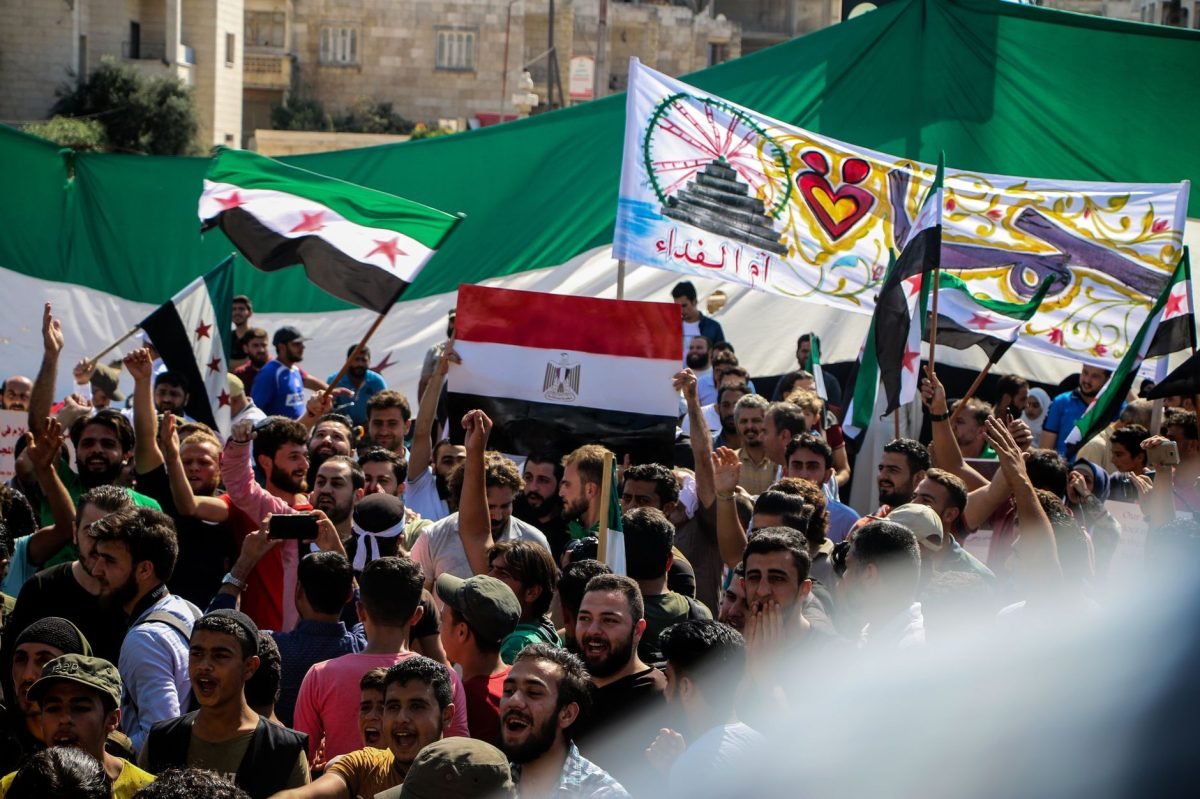
When artillery strikes hit civilian areas, every family needs a quick, actionable plan. This guide shows you how to identify safe spots, build an emergency kit, and stay connected during crisis. By following these steps, you can protect your loved ones and contribute to relief efforts.
Step 1: Identify Safe Shelters
First, map out all potential shelter locations in your area, including basements, community centers, and schools. Use the Red Cross Gaza Map online and download it offline via Google Maps. Mark these spots on a printed map and share the coordinates with family members. Practice a quick walk to your nearest shelter to build confidence.
Step 2: Create an Emergency Kit
Pack a portable kit with essentials: water bottles, a first‑aid kit, a flashlight, batteries, a whistle, and a multi‑tool. Include a small emergency radio and a list of local emergency numbers. Store the kit in a waterproof container and keep it in an easy‑to‑reach spot. Check the kit monthly and replace expired items.
Step 3: Stay Informed with Reliable Alerts
Subscribe to official alerts from the Israeli Ministry of Public Security and the Palestinian Authority via their emergency apps. Download the AlertMe app for real‑time updates and set location‑based notifications. Keep a battery‑powered radio tuned to local emergency frequencies. Verify information against reputable news outlets like Al Jazeera and BBC.
Step 4: Secure Communication Channels
Secure a reliable communication channel by installing Signal for end‑to‑end encryption. Create a group chat with all family members and key contacts. Use a power bank to keep phones charged. If internet is down, switch to SMS or local radio contact points.
Step 5: Support Relief Efforts and Advocate
Contribute to relief by donating to UNRWA or Save the Children through their verified websites. Use a local bank transfer or PayPal for quick processing. Share verified relief links on social media to raise awareness. Volunteer with local NGOs if you are in the area.
Use a pre‑planned meeting spot to reduce confusion during evacuations.
Take action now to protect your family and help those affected by conflict. By following these five steps, you’ll have a clear plan and the tools to stay safe. Reach out to local relief organizations today and make a difference.