5 Ways To Protect Your Money During France's 2027 Budget Crisis
Learn practical steps to safeguard your savings and investments amid France’s looming fiscal uncertainty
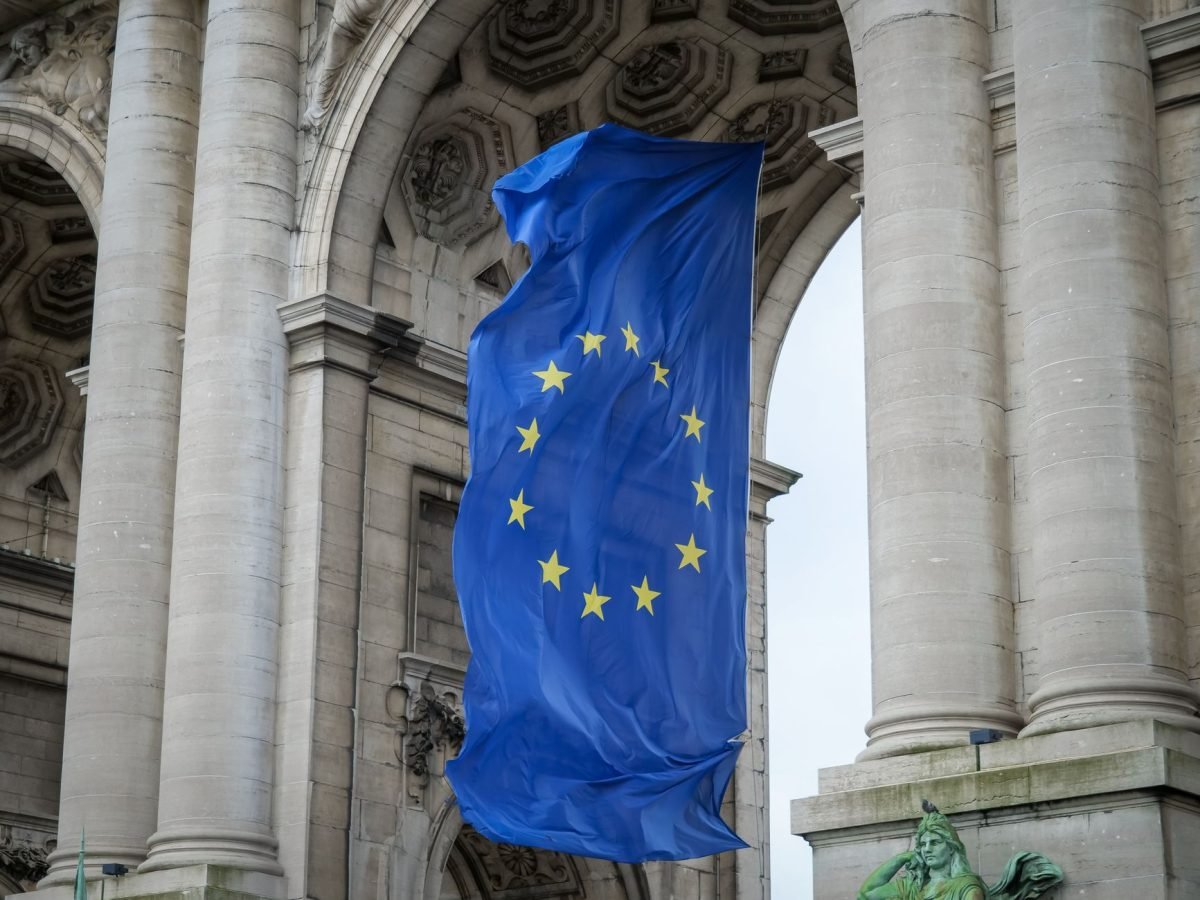
France’s upcoming budget challenges could ripple through global markets, putting your savings at risk. Understanding how to shield your finances today is more critical than ever. This guide shows you five actionable steps to keep your money safe during the 2027 fiscal uncertainty.
Step 1: Build an emergency fund that covers at least 6 months of living expenses
Build an emergency fund that covers at least 6 months of living expenses. Use high‑yield savings accounts like Ally Bank or Marcus by Goldman Sachs, which offer around 3% APY. Track contributions with budgeting apps such as Mint or YNAB. This emergency cushion protects you from sudden cash flow shocks.
Step 2: Diversify your investments beyond Eurozone bonds
Don’t rely solely on Eurozone bonds; diversify into global equities and emerging markets. ETFs such as iShares MSCI World or Vanguard Total Stock Market give broad exposure at low cost. Robo‑advisors like Wealthfront automatically rebalance your portfolio. The key is diversify to reduce country‑specific risk.
Step 3: Reassess your debt profile and prioritize high-interest debt
High‑interest debt erodes wealth faster than market gains. Use tools like Credit Karma’s payoff calculator to prioritize debt. Pay off credit card balances before mortgage or student loans. Reducing debt frees cash for growth.
Step 4: Consider relocating part of your assets to more stable currencies
Keep a portion of your liquid assets in currencies less tied to France’s fiscal health. TransferWise (Wise) and Revolut offer low‑fee exchanges to USD or CHF. Maintain a small foreign‑currency balance in a reputable bank. This relocate strategy mitigates potential capital‑control risks.
Step 5: Stay informed with reliable financial news sources
Information is power; set up alerts on Bloomberg and Reuters for France’s budget updates. Subscribe to newsletters like Morning Brew or The Financial Times. Use the Google Alerts feature to receive instant news on fiscal policy. Staying informed lets you react before market moves.
A hidden risk is the potential for sudden capital controls; keep at least 10% of liquid assets in non‑Euro accounts.
By following these five steps, you’ll build a resilient financial foundation that can weather France’s 2027 budget uncertainty. You’ll have a diversified portfolio, a solid emergency fund, and a clear debt strategy. Next, review your plan quarterly and adjust as new fiscal data emerges.