How To Protect Your Portfolio from US‑Iran Tensions: The 5 Tips
A practical guide to staying ahead of geopolitical risks and keeping your investments safe in 2026
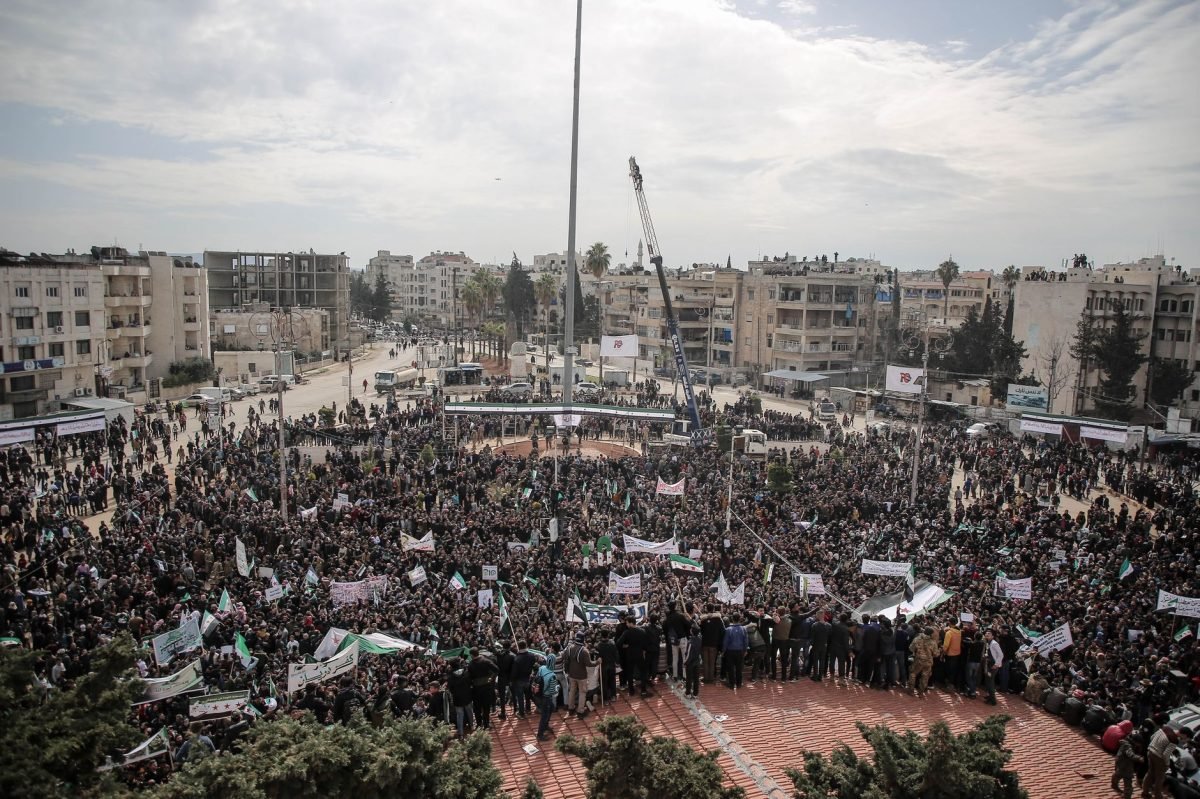
The latest U.S. political developments suggest a potential halt to a prolonged conflict with Iran, but that doesn’t eliminate the risk of market volatility. Geopolitical tensions can ripple through markets, affecting everything from oil prices to tech stocks. This guide shows you how to stay informed, analyze risks, and safeguard your investments today.
Step 1: Monitor the news with real‑time alerts
Create a Google Alerts feed for "US‑Iran conflict" and "Trump foreign policy" to receive daily emails. Add the same keywords to a Feedly account for a consolidated RSS view. Spend 20 minutes setting up these alerts and you’ll have a real‑time pulse on the situation.
Step 2: Analyze the impact on your holdings using sector data
Pull the latest sector performance from Bloomberg Terminal or Yahoo Finance; check oil, defense, and tech indices for spikes. Use the "Earnings Calendar" on MarketWatch to see which companies are most exposed. A quick 30‑minute review will let you spot vulnerable positions before the market reacts.
Step 3: Diversify your portfolio across geographies
Add broad international ETFs like iShares MSCI ACWI (ACWI) or Vanguard FTSE All‑World (VWRL) to spread risk. Allocate at least 10% of your portfolio to emerging markets ETFs that are less tied to U.S. energy prices. This rebalancing can be done in 30 minutes via your brokerage app.
Step 4: Hedge with commodity options or futures
Use Interactive Brokers or E*TRADE to buy oil futures or put options on energy ETFs to cap downside. Set a stop‑loss at 5% below the entry price to limit losses. The setup takes about 45 minutes, but the protection can be worth the time.
Step 5: Consult a financial advisor for tailored strategies
Schedule a 60‑minute consultation with a CFP or a robo‑advisor that offers geopolitical risk analysis, like Betterment or Wealthfront. Bring a list of your current holdings and risk tolerance so the advisor can recommend specific adjustments. This step ensures your plan stays aligned with your long‑term goals.
Most people overlook the power of real‑time risk alerts from specialized geopolitical analytics like Stratfor or Bellingcat, which can provide insights ahead of mainstream media.
By following these five steps, you’ll have a robust system for staying ahead of U.S‑Iran tensions and protecting your investments. You’ll be better equipped to react quickly and make informed decisions. Take action now—set up your alerts and review your portfolio today.