How To Protect Your Finances During Middle East Tensions
A practical 10-step guide to shield your assets and stay informed as geopolitical risks rise
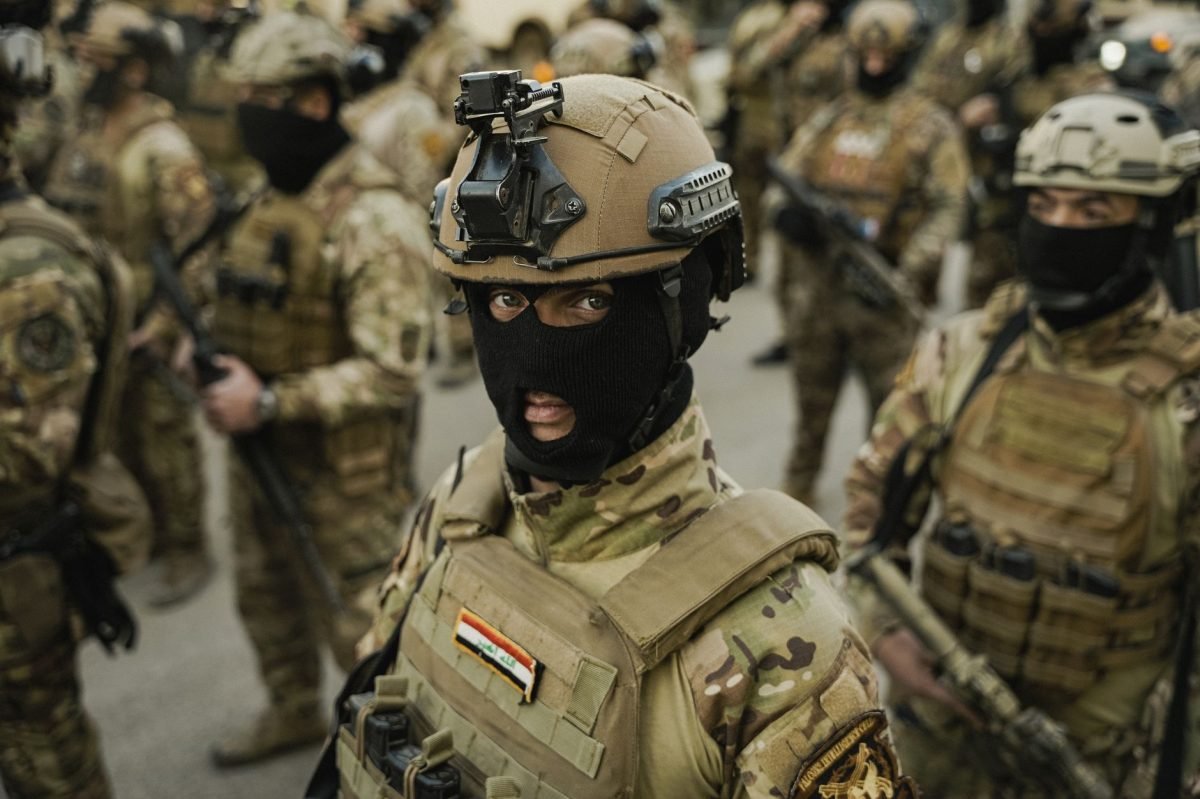
The latest calls for a potential conflict in the Middle East have investors on edge. Protecting your finances now is more crucial than ever to avoid sudden market shocks. This guide gives you clear, actionable steps you can take today to stay safe.
Step 1: Diversify Internationally
Start by spreading your holdings across multiple regions—Europe, Asia, and the Americas—to reduce exposure to a single country’s turmoil. Use platforms like Vanguard or Fidelity that offer low-cost international ETFs such as VTI or VXUS. Regularly check your allocation with the Portfolio Tracker on Yahoo Finance. This reduces the impact if one market plummets.
Step 2: Hedge Currency Risk
Protect against sudden devaluation by holding foreign currency in a stable account or using a currency‑hedged ETF like FXE. If you have significant assets in a single currency, consider a small allocation to a diversified currency basket via a broker that offers spot FX. Monitor the currency pair rates on XE.com or Bloomberg. A hedge can keep your real‑value stable during shocks.
Step 3: Build an Emergency Cash Reserve
Aim for 3–6 months of living expenses in a high‑yield savings account or money‑market fund such as Ally or Marcus by Goldman Sachs. Keep this cash in a separate account with a no‑fee policy. Use budgeting tools like Mint to track your spending and ensure you’re building the reserve. A ready cash cushion lets you avoid selling assets at a loss during panic.
Step 4: Monitor Geopolitical News Actively
Set up alerts on Reuters or Bloomberg for key terms like "Middle East conflict" or "Iran sanctions." Use the free Google Alerts service to get daily summaries. Subscribe to the MSCI Geopolitical Risk Index updates to see how risk scores trend. Staying informed lets you react before market sentiment shifts.
Step 5: Use Stop‑Loss Orders on Volatile Stocks
Place a stop‑loss at 10–15% below your purchase price on high‑beta stocks. Most brokerage apps, such as Robinhood or Fidelity, allow you to set automated stops. Review the stop level monthly, especially during heightened tension. This caps losses if a sudden dip hits a single security.
Step 6: Rebalance Your Portfolio Regularly
Schedule quarterly rebalancing to maintain your target asset allocation. Tools like Personal Capital or the built‑in rebalancing feature in Schwab can automate this. Rebalancing ensures you’re not over‑exposed to any sector that could be hit by geopolitical fallout.
Step 7: Maximize Tax‑Advantaged Accounts
Contribute full limits to IRAs or 401(k)s; they offer tax deferral that protects value from short‑term volatility. If you’re self‑employed, consider a Solo 401(k) or SEP IRA. Use the IRS contribution calculators online to confirm your limits. These accounts grow steadily even when markets swing.
Step 8: Consult a Certified Financial Planner
Schedule a 30‑minute review with a CFP who specializes in geopolitical risk. Use the CFP Board’s search tool to find a qualified advisor in your area. Discuss your risk tolerance and how to adjust your portfolio for regional tensions. A professional can spot blind spots you may miss.
Step 9: Allocate to Safe‑Haven Assets
Add 5–10% of your portfolio to gold ETFs (GLD) or U.S. Treasury bonds (TLT). These tend to rise when markets fear conflict. Use an exchange‑traded fund like iShares Gold Trust or Vanguard Total Bond Market. Track performance on Morningstar for informed decisions.
Step 10: Draft a Personal Crisis Playbook
Write down your emergency contacts, account logins, and a step‑by‑step action plan for market crashes. Store it in a password‑protected PDF on a cloud service like Dropbox or Google Drive. Review and update quarterly. Having a playbook reduces panic and speeds decision‑making.
Many investors overlook currency diversification; even a 5% allocation to a stable currency can buffer against regional shocks.
By following these 10 steps you’ll create a resilient financial foundation that can weather Middle East tensions. You’ll know exactly where to look for risks and how to act before markets move. Start today and keep your wealth protected for the long term.