How To Stay Safe During Regional Conflicts in 7 Steps
A practical guide to protect yourself and your family when geopolitical tensions rise
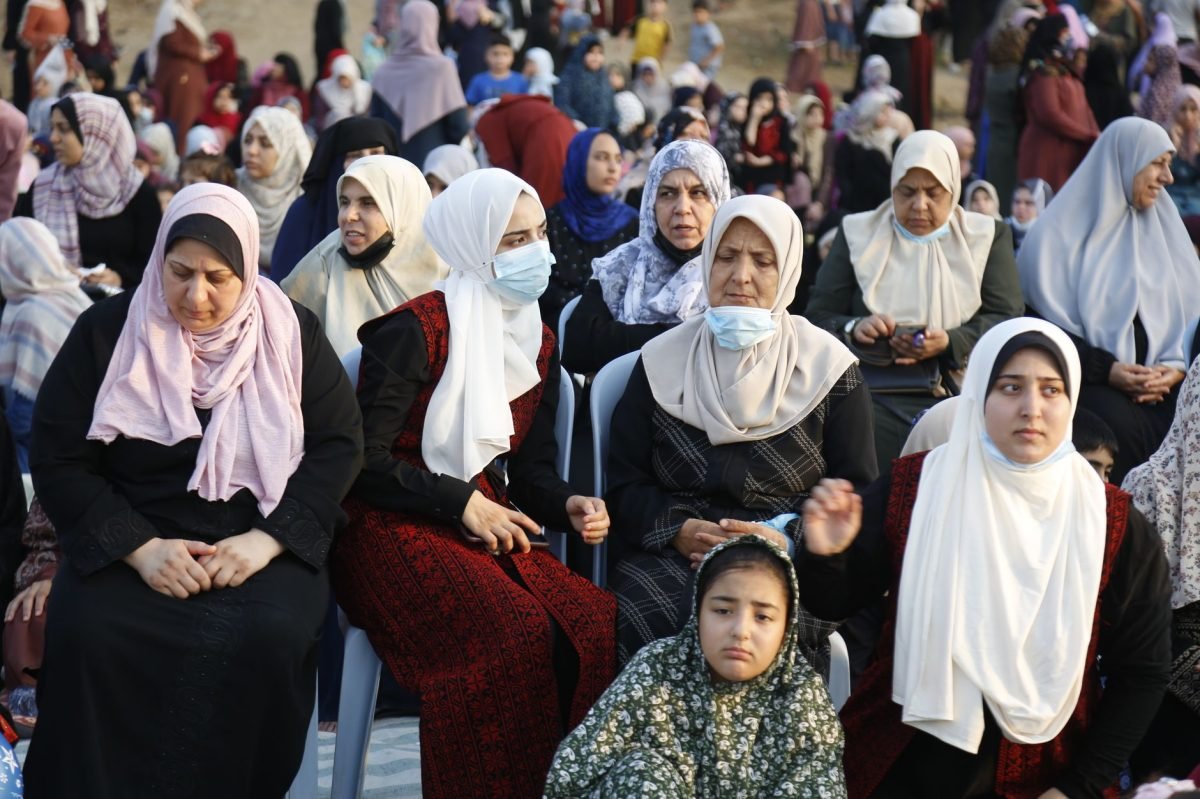
When conflicts flare up, everyday life can turn into a survival challenge. Understanding the risks and preparing in advance can save lives and reduce anxiety. This guide gives you concrete actions to take today to stay safe during regional conflicts.
Step 1: Identify Your Risk Zone
Use the U.S. State Department Travel Advisories website to check the current level for Jordan, Syria, and neighboring countries. Open Google Maps and zoom in on your city to see if it lies within any conflict‑affected zones. Mark the boundaries on a printed map so you can quickly reference them during an emergency. Risk zone identification is the foundation of all other safety measures.
Step 2: Secure Your Communications
Download Signal or Telegram and enable end‑to‑end encryption. Turn on two‑factor authentication and use a strong, unique password. Keep your phone’s OS and apps updated to patch security vulnerabilities. Secure communication prevents attackers from intercepting your plans.
Step 3: Assemble an Emergency Kit
Pack 3 gallons of water per person per day and 1,200 kcal of non‑perishable food for at least 72 hours. Include a first‑aid kit, a flashlight with spare batteries, and a portable radio. Store the kit in an easily accessible, waterproof container. An emergency kit ensures you can survive until help arrives.
Step 4: Create a Family Communication Plan
Set up a group chat on WhatsApp or Signal and list emergency contacts, including local authorities and trusted neighbors. Agree on a meeting point outside the city and a backup location if the first is compromised. Practice a quick check‑in routine once a week to keep the plan fresh. Communication plans keep everyone aligned during chaos.
Step 5: Monitor Reliable News Sources
Subscribe to RSS feeds from BBC News, Al Jazeera, and the local Jordanian news outlet via Feedly. Enable push notifications for breaking news alerts. Set a daily 15‑minute window to review updates. Staying informed is your best defense against misinformation.
Step 6: Map Your Evacuation Routes
Use Google Maps to trace at least two evacuation routes out of your city. Download offline maps for these routes and print them. Practice walking the routes with your family to identify obstacles. Having a clear, practiced path reduces panic when you need to move quickly.
Step 7: Register with Local Authorities and NGOs
Sign up for the Jordanian Ministry of Interior's emergency alert system and local NGOs like the Red Crescent. Provide them with your contact details and emergency plan. They can offer timely evacuation orders and aid. Being registered ensures you receive official updates before social media does.
Carry a high‑capacity power bank (20,000 mAh) and solar charger to keep your devices alive during outages.
By following these steps, you’ll transform uncertainty into preparedness, protecting your loved ones and yourself. You now have a clear, actionable plan for any regional conflict scenario. Start implementing today and stay one step ahead of danger.