How To Organize a 1 Million‑Person March in 5 Steps
A practical guide to rally planning, logistics, and digital outreach for large-scale protests
When political movements rally millions, the difference between chaos and impact is in the details. This guide shows you how to turn a vision into a coordinated march that stays safe, legal, and news‑worthy. You'll learn the 5 essential steps to plan a 1 million‑person protest in 2026.
Step 1: Secure Legal Permissions
Start by researching the local municipality’s online portal—most cities host a permit request form that you can submit within 24 hours. Use Google Forms to collect sign‑ups for the march and attach it to your permit application. The city’s public works department often replies within 48 hours, so set a reminder to follow up. Having a signed permits in hand guarantees you a clear route and police support.
Step 2: Build a Volunteer Network
Create a dedicated Slack workspace or Discord server for volunteers to coordinate tasks and share updates. Post on Eventbrite and Meetup to attract people who want to help with logistics, safety, or media. Assign roles through Trello cards so each volunteer knows their responsibilities. The key is a strong volunteers base that can scale up as the march grows.
Step 3: Create a Digital Mobilization Campaign
Launch a Facebook Event and use Instagram Stories, TikTok clips, and Twitter threads to spread the word. Design eye‑catching graphics with Canva and send weekly newsletters via Mailchimp. Use Google Analytics to track engagement and adjust messaging in real time. A cohesive digital strategy keeps turnout high and misinformation at bay.
Step 4: Coordinate Logistics & Safety
Map the route with Google Maps and use a crowd‑control app like CrowdControl to estimate capacity at each segment. Contact the local police department early to secure escort routes and medical support. Prepare a detailed emergency plan that includes evacuation routes and a list of first‑aid stations. Prioritizing safety ensures the march stays peaceful and compliant with city regulations.
Step 5: Execute and Capture Media
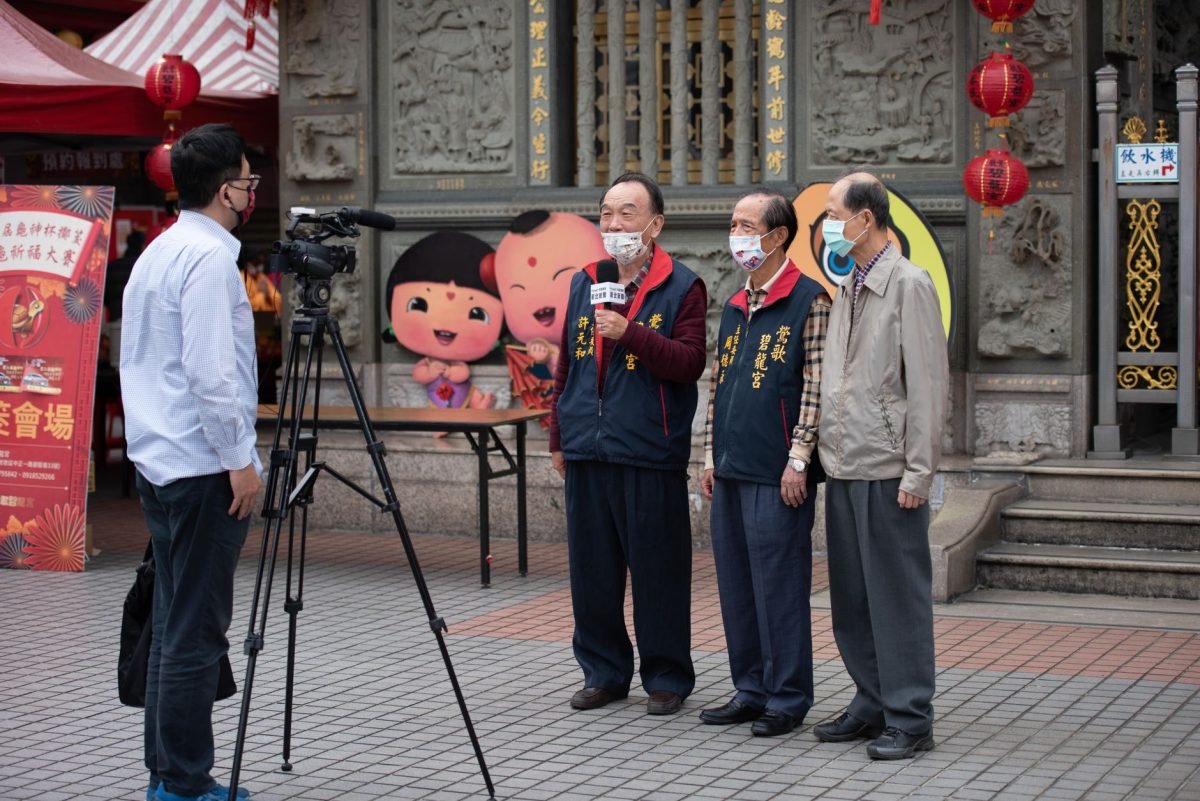
On the day, use GoPro cameras, smartphones, and a live‑streaming setup with OBS to record the march. Coordinate with local journalists and send a press release to media outlets. Post live updates on Twitter and Instagram to engage supporters in real time. A robust media presence amplifies your message and secures coverage for future campaigns.
One oversight is neglecting a post‑march debrief; schedule a 30‑minute meeting with key volunteers to capture insights and thank supporters.
Now you have the roadmap to turn your movement into a powerful, well‑executed march. By following these steps, you can ensure your protest remains safe, legal, and media‑captured. Start by drafting your permit request today and keep the momentum rolling.