How To Monitor Geopolitical Threats to Your Business in 5 Steps
Stay ahead of Iran’s new IRGC doctrine and protect your assets with actionable intelligence tools.
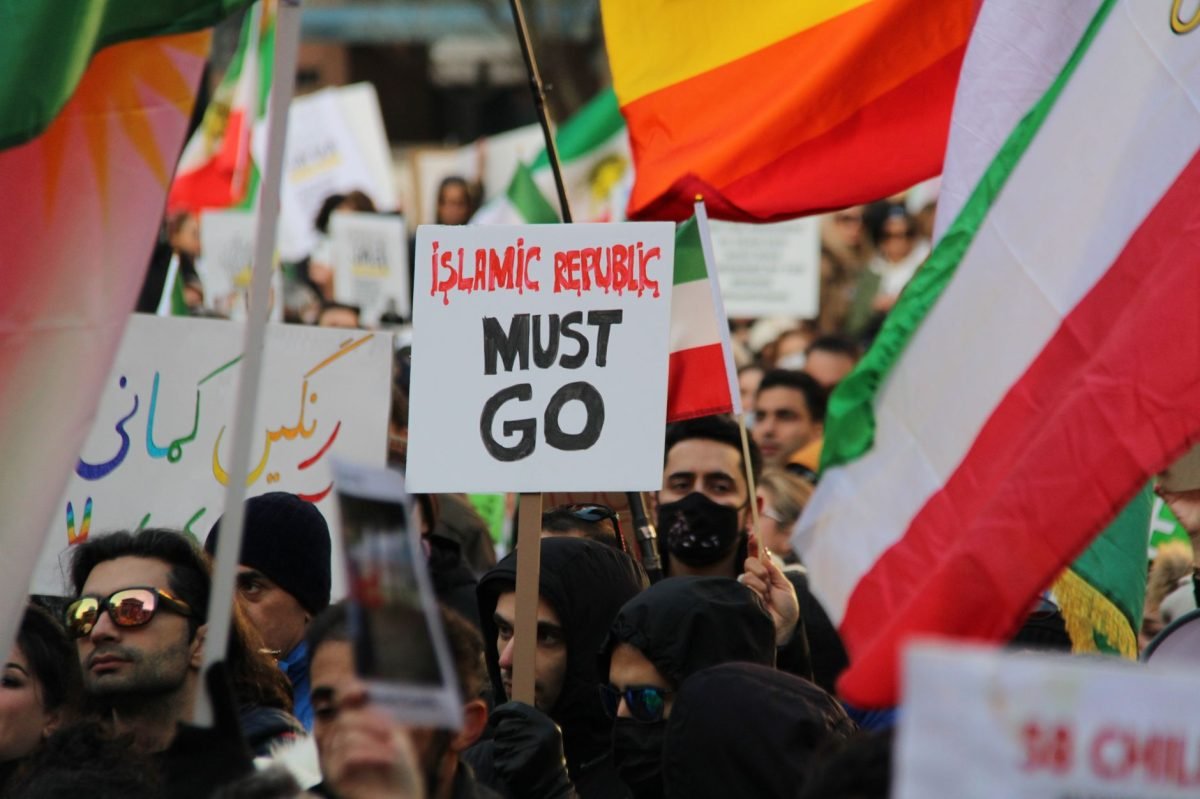
Iran's Revolutionary Guard has just announced an offensive doctrine that could spark direct invasions, raising alarms for businesses across the Middle East and beyond. Understanding and monitoring these geopolitical shifts is critical to safeguard your operations, supply chains, and investments. This guide will walk you through five practical steps to stay informed and resilient in the face of rising regional tensions.
Step 1: Identify Key Threat Indicators
Key indicators like sudden sanctions, troop movements, or diplomatic protests signal rising tensions. Use the GDELT Project to track event frequencies in the Middle East in real time. Cross‑check with Bloomberg’s "Middle East Geopolitics" feed and set a Google Alert for "Iran IRGC offensive doctrine" to capture official statements instantly.
Step 2: Subscribe to Real‑Time Alerts
Create a dedicated email inbox and use services such as Factiva or Reuters News Tracer to receive push notifications for any mention of Iran or the IRGC. Set up a LexisNexis alert with a 5‑minute refresh rate for high‑risk keywords. Combine it with a free GDELT RSS feed to ensure no event slips through.
Step 3: Analyze Economic Impact on Supply Chains
Map your supplier network in a tool like Microsoft Power BI and overlay it with a risk heat map from the World Bank’s Global Economic Monitor. Identify any suppliers in countries with >15% of their GDP tied to the region. Run a Monte‑Carlo simulation to estimate potential delivery delays of 3‑6 weeks.
Step 4: Develop Contingency Plans
Draft a business continuity playbook using the ISO 22301 framework. Include specific protocols for alternate sourcing, inventory buffers, and employee relocation. Test the plan in a tabletop exercise with at least 80% of key stakeholders by the end of the month.
Step 5: Communicate with Stakeholders
Use a secure platform like Slack with a dedicated #geopolitical‑risk channel to share daily briefings. Summarize alerts in a concise 200‑word memo and circulate it via email to senior management. Schedule a quarterly review meeting with the risk committee to update strategies.
Many overlook the value of local Arabic and Persian news feeds; subscribing to Al‑Jazeera’s Arabic feed or Iran’s Press TV can reveal early signals that global outlets miss.
By following these five steps you’ll have a real‑time pulse on Iran’s IRGC doctrine and its potential ripple effects on your business. You’ll be able to anticipate disruptions, safeguard assets, and keep stakeholders informed. Start today—your competitive advantage depends on proactive risk intelligence.