How To Help Breast Cancer Patients in Gaza: 5 Practical Ways
Immediate actions you can take to improve access to chemotherapy, surgery, and supplies for women in Gaza
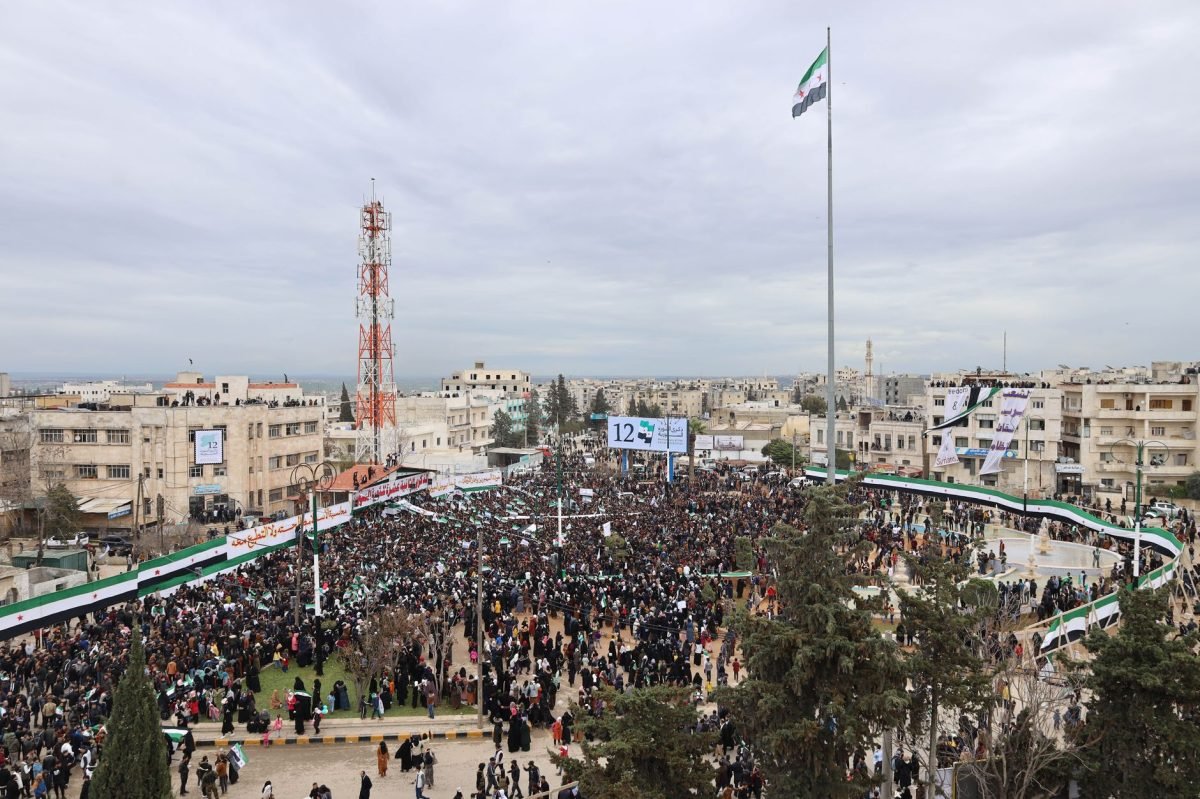
The breast cancer crisis in Gaza is escalating as hospitals crumble and supplies are blocked, leaving women with months‑long delays for life‑saving treatment. Acting now can make a measurable difference in their survival and quality of life. This guide shows you five concrete steps you can implement today to help women in Gaza access the care they urgently need.
Step 1: Identify Local NGOs & Partners
Start by mapping out the key local NGOs such as UNRWA, the Gaza Red Crescent, and the Palestinian Medical Relief Society. Visit their websites or use the NGO directory on Guidestar to confirm their current projects and contact details. By establishing a direct line with these organizations you can funnel resources quickly to the hospitals that need them most. NGOs
Step 2: Create a Targeted Fundraising Campaign
Launch a campaign on platforms like GoFundMe or GiveSendGo with a clear goal—e.g., $50,000 for chemotherapy drugs. Share the story on Facebook, Twitter, and LinkedIn, and ask local businesses to match donations. Provide transparent updates on how the funds are used to build trust and encourage continued giving. Fundraising
Step 3: Coordinate Medical Supply Drops
Partner with GlobalGiving or the UNHCR to organize supply shipments of chemotherapy agents, surgical instruments, and personal protective equipment. Use the UN supply chain portal to track shipments and ensure they bypass blockades. Coordinate with local logistics teams to distribute items directly to the Gaza Strip hospitals. Supply
Step 4: Advocate for Policy Changes & International Aid
Draft a letter template and send it to your MPs, U.N. representatives, and the European Parliament asking for increased humanitarian aid for cancer treatment. Launch a petition on Change.org to gather public support. Highlight the urgency by citing the WHO estimate that 60% of Gaza's oncology services are non‑functional. Advocate
Step 5: Offer Remote Medical Support & Telehealth
Set up a telemedicine bridge using platforms like Medici or Doxy.me, allowing Gaza doctors to consult with specialists in the West Bank or abroad. Offer free training webinars on chemotherapy management for local clinicians. By providing remote expertise, you help reduce treatment errors and improve patient outcomes. Telehealth
A single 10‑minute video consultation with a specialist can reduce patient anxiety and clarify treatment plans, often improving adherence to therapy schedules.
By following these five steps you can directly influence the availability of cancer care in Gaza and save lives. You’ll have a clear action plan, a fundraising strategy, and a network of partners ready to deploy resources. Start today—your support can be the difference between hope and despair.