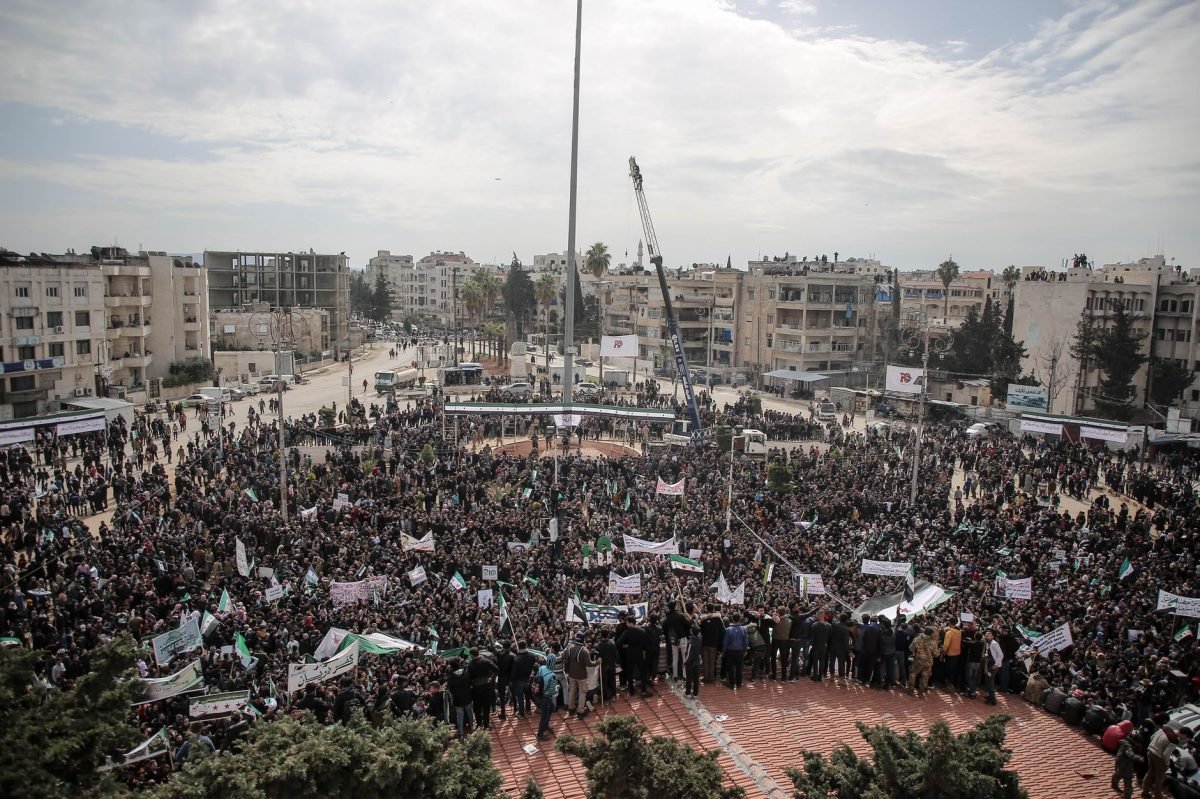
How to Plan a Community Rally Safely in 7 Steps
A practical guide for organizers to secure permits, manage crowds, and stay within legal limits
Organizing a community rally can unite people and raise awareness, but it also comes with legal and safety responsibilities. With recent high‑profile police orders in Mumbai, understanding how to navigate permits, noise limits, and post‑event cleanup is more critical than ever. This guide gives you a step‑by‑step plan to host a rally that’s both impactful and compliant.
Step 1: Secure Official Permits
Begin by visiting your city’s municipal corporation website and searching for the "public gathering" or "event" permit section. Fill out the online application, attach a route map, and pay the nominal fee using the portal’s payment gateway. Once approved, download the PDF permit and keep it on your phone for quick reference during the rally.
Step 2: Map Your Route & Set Road Closures
Use Google Maps or the city’s GIS portal to plot your rally’s start, finish, and any detour routes. Export the route as a KML file and share it with local traffic authorities to request temporary road closures. Confirm the closure dates and times, and ensure the city provides a traffic management plan before the event.
Step 3: Plan Noise Management & Curfew Compliance
Download a decibel meter app like Decibel X to monitor sound levels in real time. Set a maximum limit (often 70‑80 dB for public events) and schedule a 10 p.m. curfew, as seen in the BMC conditions. Post clear signage around the rally area indicating the noise cap and curfew time for attendees and media.
Step 4: Arrange Crowd Control & Safety Measures
Purchase temporary fencing or barricades from a local vendor and position them to guide the crowd flow. Equip volunteers with first‑aid kits and a dedicated phone line to the nearest police station. Create a simple evacuation plan and practice it with your team before the rally day.
Step 5: Communicate with Attendees
Create an Eventbrite page to manage RSVPs and send reminders. Use WhatsApp Business or a Mailchimp newsletter to share updates, route changes, and safety instructions. Encourage participants to bring masks and hand sanitizer if COVID‑19 restrictions persist.
Step 6: Prepare Post‑Event Cleanup
Schedule volunteers a day before to gather trash bags and arrange for a waste‑collection service. Use a cleanup app like TaskRabbit to hire local helpers and obtain a waste disposal permit from the municipal waste department. Document the before‑and‑after photos to prove restoration compliance to authorities.
Step 7: Document & Report to Authorities
Collect all receipts, permits, and a photo‑video log of the rally. Submit a formal report through the city portal within 48 hours, including any incidents or complaints. Keep a digital archive of the report for future reference and potential audits.
Many organizers overlook hiring a legal liaison; having a community liaison or lawyer review permits and agreements can prevent costly fines and shutdowns.
By following these seven steps, you’ll run a community rally that’s safe, compliant, and memorable. You’ll have the paperwork, crowd management, and post‑event cleanup all in place, ensuring a smooth experience for everyone involved. Now, start by checking your local municipality’s event permit portal and take the first step toward a successful rally.