How To Track US Military Options on Iran: The 10 Steps
A practical guide to staying ahead of policy shifts, air strike rumors, cyber threats, and naval moves before the 2026 elections
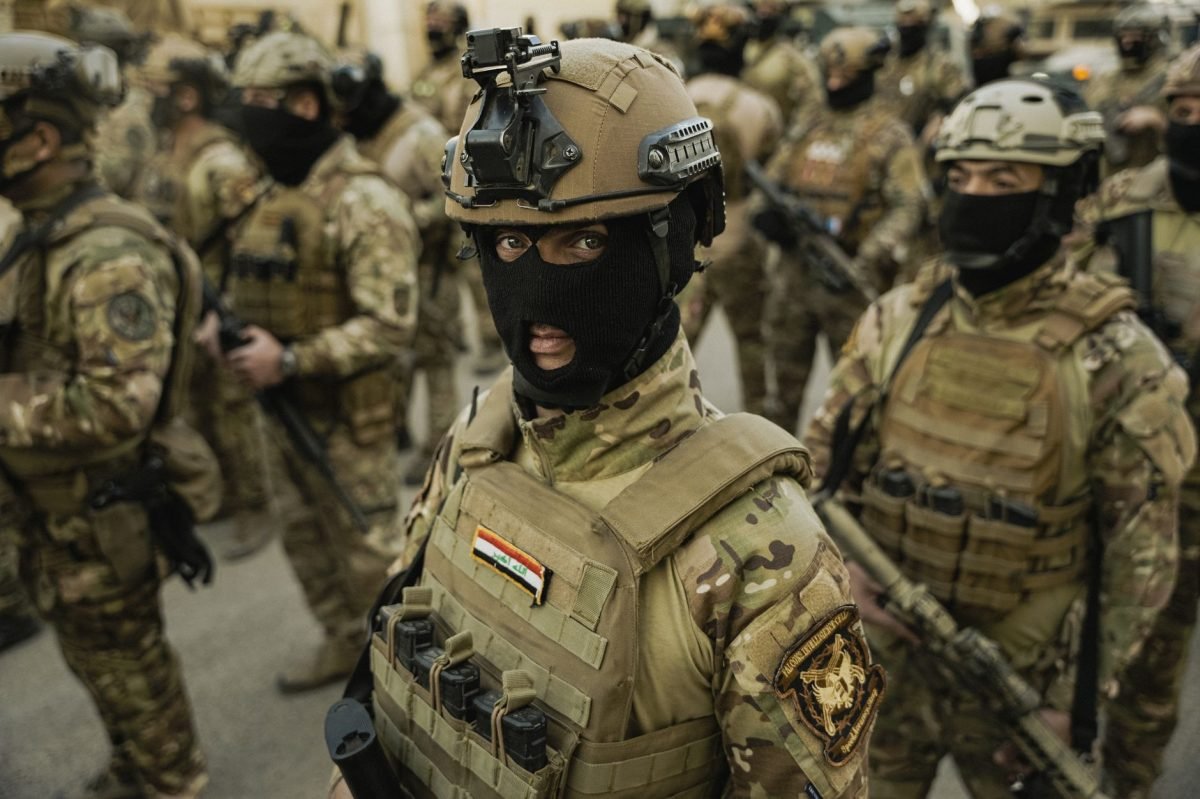
The tension between the United States and Iran is heating up as the 2026 midterms approach, and every new hint can reshape markets and security planning. Knowing where to look for credible signals lets you anticipate moves before headlines explode. This guide shows you exactly how to set up free tools and workflows to monitor air, cyber, and naval options in real time.
Step 1: Set Up Real‑Time News Alerts
Create Google Alerts for keywords like "US strike Iran", "Trump Iran policy" and "naval blockade Persian Gulf". Choose the "As‑it‑happens" delivery option and route alerts to a dedicated Gmail label. Pair this with Feedly to aggregate top geopolitical blogs in one view.
Step 2: Build a Curated Twitter List of Experts
Add analysts from @CSIS, @BrookingsInst, @StratForces, @IranWatch, and former defense officials to a private Twitter Lists. Enable notifications for their tweets and use TweetDeck to filter only original posts (no retweets). This gives you instant commentary as events unfold.
Step 3: Follow Official Briefings Daily
Bookmark the White House press briefing page, the State Department newsroom, and the Department of Defense news release site. Subscribe to their RSS feeds and set a daily reminder to skim the top three items. Official statements often contain the first clues about policy timing.
Step 4: Track US Air Force Movements with Flight Data
Sign up for a free account on FlightRadar24 and filter by aircraft tail numbers known to belong to USAF units (e.g., "AF-" prefixes). Set a geographic filter around the Gulf region and enable email alerts when a tracked jet enters the zone. Spotting a sudden surge can signal a limited air strike preparation.
Step 5: Monitor Naval Activity via AIS Trackers
Use the free tier of MarineTraffic to watch US Navy vessels, especially carrier strike groups, in the Persian Gulf and Strait of Hormuz. Create a custom watchlist for ship names like "USS Gerald R. Ford" and enable push notifications. A concentration of ships often precedes a blockade or show‑of‑force operation.
Step 6: Scan Cyber Threat Intel for Iran‑Related Indicators
Register for a free daily digest from Recorded Future that flags Iran‑focused malware, phishing kits, and IP addresses linked to state actors. Cross‑reference any spikes with news about cyber‑only retaliation options. Early cyber chatter can precede kinetic actions.
Step 7: Digest Think‑Tank Briefs Weekly
Download the latest policy papers from CSIS, RAND, and Brookings that evaluate US‑Iran conflict scenarios. Summarize the sections on air, cyber, and naval strategies in a Google Doc. Highlight any new recommendations that match emerging intelligence signals.
Step 8: Track Congressional Activity on Iran Legislation
Visit Congress.gov and set alerts for bills, hearings, and statements containing "Iran" and "military action". Pay special attention to the Armed Services Committee schedule. Legislative moves often foreshadow executive decisions.
Step 9: Use Geopolitical Dashboards for Visual Risk Maps
Subscribe to a free trial of Stratfor’s geopolitical dashboards or GeoPolitical Futures. These platforms overlay military deployments, cyber incidents, and economic sanctions on interactive maps. Export the latest map snapshot to include in your briefing.
Step 10: Synthesize Findings into a Weekly Briefing
Combine alerts, tweets, flight and ship logs, and think‑tank insights into a concise weekly briefing using Google Slides. Add simple charts from Google Sheets to illustrate trends. Share the deck with your team via Slack or email every Friday morning.
Create a single Google Sheet that logs every alert with a timestamp, source, and confidence level; sorting by date reveals patterns that isolated feeds miss.
By the end of this 10‑step routine you’ll be able to spot the first signs of any US military option against Iran before mainstream media catches up. Your proactive monitoring will give you a strategic edge in both personal security planning and professional analysis. Keep the workflow updated each week and you’ll stay ahead of the curve as the 2026 elections approach.