How To Spot Politician Misinformation in 5 Simple Steps
Learn the best way to verify political claims, protect your inbox, and keep your civic engagement honest.
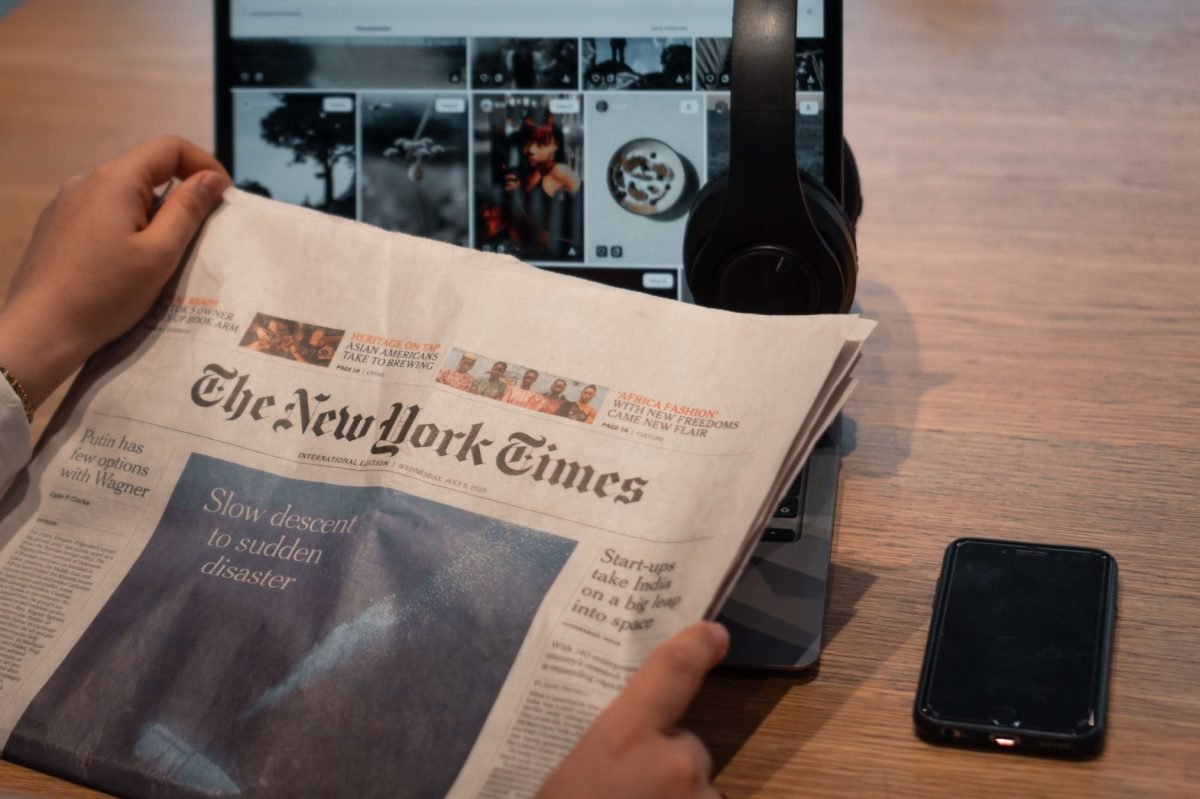
Every day, false claims about politicians spread faster than the truth, eroding trust and inflaming debate. In a climate where misinformation can influence elections and policy, knowing how to verify facts is essential. This guide will give you practical steps to spot and counter political misinformation today.
Step 1: Identify Credible Sources
Start by compiling a list of credible sources such as FactCheck.org, PolitiFact, and Brazil’s own "Verifica" portal. Use these sites to cross‑reference any claim you encounter. Bookmark them for quick access whenever a new story surfaces.
Step 2: Cross‑Check Event Details
Verify the event’s authenticity by checking the official congress calendar and local news outlets like "O Globo" or "Folha de S.Paulo." Look for matching dates, locations, and participant lists. The more sources that confirm the same details, the higher the confidence level.
Step 3: Verify Video and Audio Clips with InVID
Download the clip and run it through the free InVID toolkit, which analyzes timestamps, metadata, and frame consistency. If the video’s metadata shows a different recording date or location, flag it as suspect. Combine this with YouTube’s “Fact Check” sidebar for additional context.
Step 4: Check Speaker Credentials on VoteWatch
Search the speaker’s name on VoteWatch or the official Brazilian Congress website to confirm their voting record and public statements. If the claim contradicts a well‑documented record, it’s likely misinformation. Keep a quick reference sheet for recurring politicians.
Step 5: Report Suspected Misinformation
Use Twitter’s "Report Tweet" button or submit a claim to FactCheck.org’s form. In Brazil, the "Denúncias de Fake News" portal allows you to flag false content. The more reports you file, the faster the platform can take corrective action.
Most people overlook real‑time monitoring; set up a TweetDeck column for key politicians and use the "@FactCheck" handle to receive instant alerts about newly debunked claims.
By following these five steps, you’ll protect yourself and your community from political misinformation, strengthen civic trust, and become a proactive fact‑checker. Now that you know the tools and tactics, start applying them to the next political claim you encounter. Keep learning and stay vigilant—your civic health depends on it.