How To Reduce Conflict Escalation: The 5 Ways For 2026
Stay calm and protect yourself from global crisis headlines with our expert guide
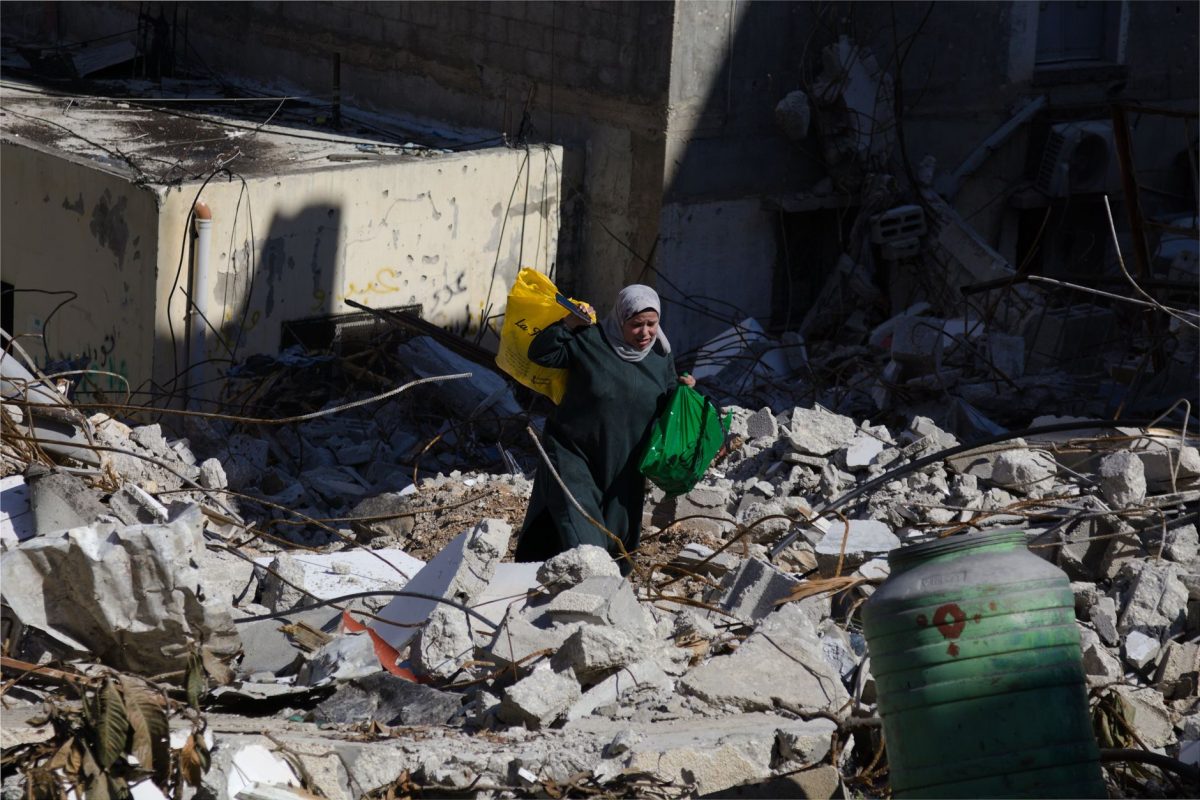
Conflict escalation can be overwhelming, but there's hope. With the rise of global tensions, understanding how to de-escalate conflicts is crucial for your well-being and the world's future. Learn the 5 essential steps to protect yourself and your loved ones from crisis headlines in this beginner-friendly guide.
Step 1: Stay Informed Without the Drama
Use reputable news sources like BBC News or Al Jazeera to stay updated on global events. Set up a Google News alert for specific topics you're interested in, and limit your social media usage to avoid sensationalized headlines. Download the NewsGuard browser extension to verify the credibility of online news sources. This will help you stay informed without getting caught up in emotional or misleading information.
Step 2: Focus on Building Empathy
Practice active listening and try to understand the perspectives of all parties involved in the conflict. Engage in respectful conversations with people who hold different views and seek out diverse sources of information. Utilize Coursera or edX courses to learn about conflict resolution, psychology, and sociology. By cultivating empathy and understanding, you'll be better equipped to navigate complex conflicts.
Step 3: Develop a Crisis Management Plan
Create a personalized crisis management plan that outlines your emergency contact numbers, evacuation routes, and essential supplies. Designate a safe meeting spot and establish a communication system with your loved ones. Consider investing in a portable power bank and a first aid kit to ensure your safety during a crisis. Regularly update your plan to reflect changing circumstances.
Step 4: Support Peacebuilding Initiatives
Explore local and international organizations working towards peacebuilding and conflict resolution, such as the Red Cross or UNICEF. Donate to reputable charities or volunteer your time and skills to support these efforts. Use social media platforms to raise awareness about peacebuilding initiatives and amplify their messages. By supporting peacebuilding efforts, you'll contribute to creating a more peaceful world.
Step 5: Prioritize Self-Care
Engage in regular self-care activities like exercise, meditation, or spending time in nature to manage stress and anxiety. Connect with friends and family who share your values and goals to build a support network. Set realistic boundaries and prioritize your well-being during crisis situations. By taking care of yourself, you'll be better equipped to cope with the emotional impact of conflict escalation.
Don't underestimate the power of small actions – every effort counts, and collective efforts can lead to significant positive change.
By following these 5 essential steps, you'll be better equipped to navigate conflict escalation and contribute to creating a more peaceful world. Remember, staying calm and informed is key to making a positive impact. Take the first step today and share this guide with someone who needs it.