How To Prepare For Natural Disasters: 7 Essential Steps
Protect yourself and your loved ones from the devastating effects of earthquakes and other natural catastrophes
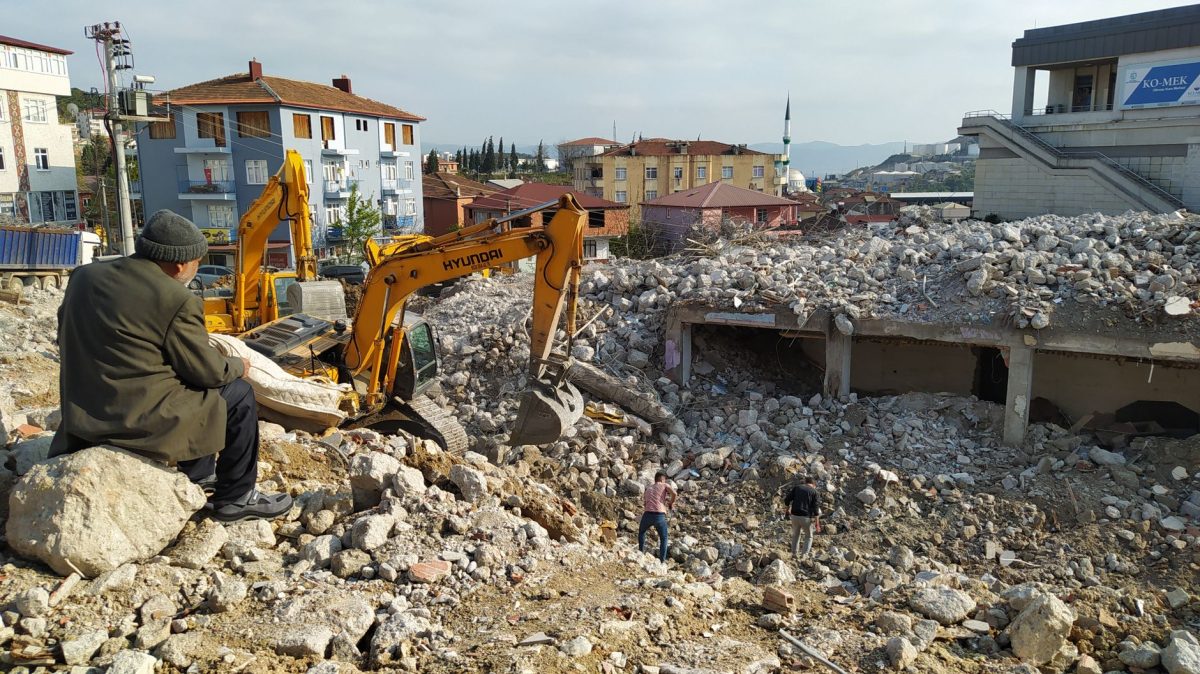
Are you ready for a natural disaster? Earthquakes, tsunamis, and hurricanes can strike at any moment, causing widespread destruction and loss of life. With the recent earthquake in Colombia, it's essential to know how to prepare for such disasters. In this guide, you'll learn 7 essential steps to protect yourself and your loved ones from the devastating effects of natural catastrophes.
Step 1: **Create a Disaster Evacuation Plan**
Develop a clear evacuation plan with your family, including a safe meeting point and a communication plan. Identify the safest routes to take and the nearest shelters. Make sure everyone in the household knows the plan and has a copy of the emergency contact numbers. You can use online tools like the American Red Cross's Emergency App to help you create a plan.
Step 2: **Stock an Emergency Kit**
Assemble a disaster supply kit with essentials like non-perishable food, water, first aid supplies, and a battery-powered radio. Make sure the kit is easily accessible and check the expiration dates of the items regularly. You can use online resources like the Federal Emergency Management Agency's (FEMA) website to get a list of recommended items.
Step 3: **Secure Your Home**
Make sure your home is secure by installing earthquake-resistant fasteners, strapping heavy furniture and appliances to walls, and storing heavy objects on low shelves. You can use online tutorials and videos to learn how to secure your home. Additionally, consider retrofitting your home with earthquake-resistant materials like plywood and plywood sheathing.
Step 4: **Stay Informed**
Stay informed about natural disasters by signing up for emergency alerts from your local government and monitoring weather reports. You can use online tools like the National Weather Service's (NWS) website and mobile app to stay up-to-date on weather conditions. Make sure your family knows how to receive emergency alerts and knows what to do in case of a natural disaster.
Step 5: **Practice Regular Drills**
Practice regular drills with your family to ensure everyone knows what to do in case of a natural disaster. Hold drills at least twice a year, once during the day and once at night, to simulate different scenarios. You can use online resources like the American Red Cross's website to get tips on how to conduct effective drills.
Step 6: **Stay Safe During an Earthquake**
If an earthquake strikes, stay safe by dropping to the ground, taking cover under a sturdy piece of furniture, and holding onto it. If you're in a vehicle, pull over to the side of the road and stay inside. If you're outside, move to an open area away from buildings, power lines, and other hazards. You can use online resources like the Earthquake Country Alliance's website to learn more about earthquake safety.
Step 7: **Review and Update Your Plan**
Regularly review and update your disaster plan to ensure it's still relevant and effective. Check the expiration dates of your emergency supplies, update your contact information, and review your evacuation plan with your family. You can use online tools like the American Red Cross's Emergency App to help you review and update your plan.
Don't forget to include pets and service animals in your emergency plan, as they may need special care during a natural disaster.
By following these 7 essential steps, you'll be better prepared to face natural disasters like earthquakes and tsunamis. Remember to stay informed, practice regular drills, and review and update your plan regularly. Take action now and protect yourself and your loved ones from the devastating effects of natural catastrophes.