How To Prepare For A Water Crisis: The 10 Steps
Stay safe and hydrated during a water shortage with these essential tips and strategies
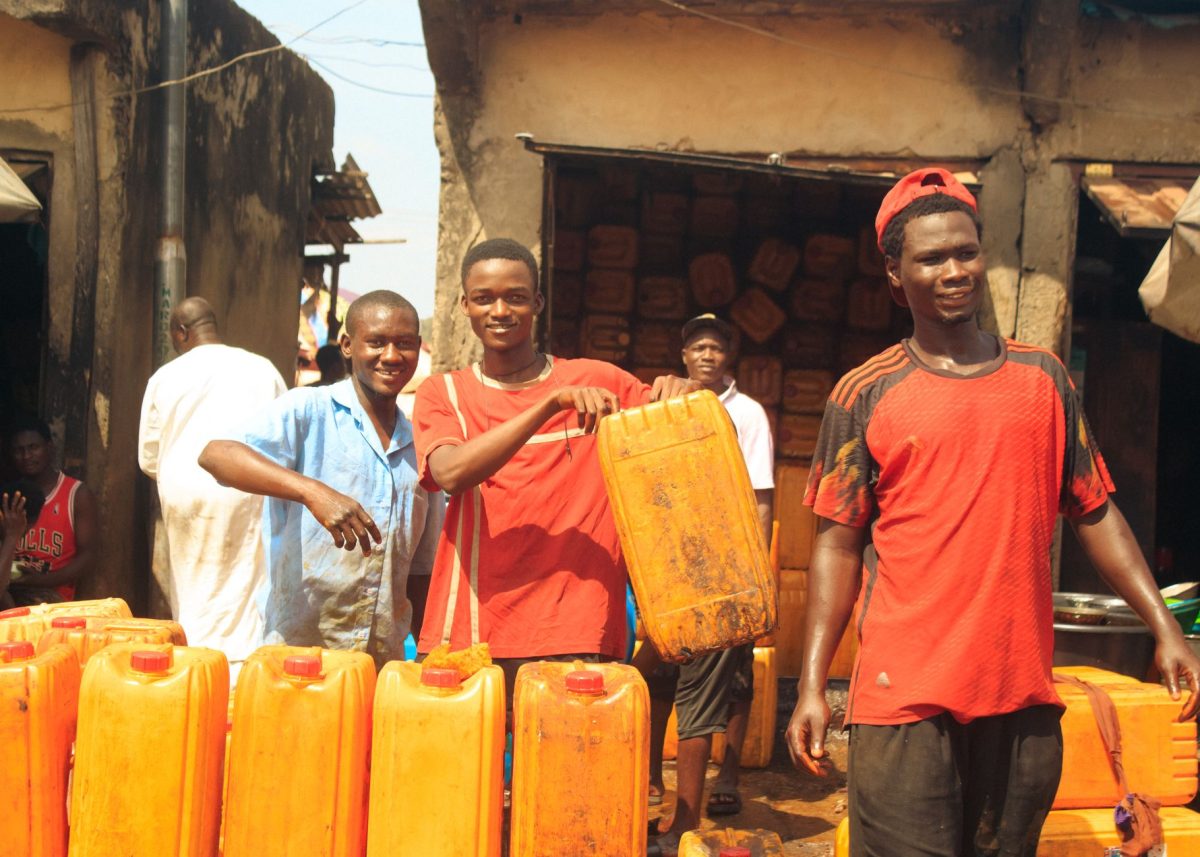
Are you living in an area prone to water outages or shortages? Learn how to prepare for a water crisis with these 10 essential steps, and stay safe and hydrated until the waters flow again. Whether you're relying on water tankers or conserving every drop, this guide has got you covered. With these steps, you'll be better equipped to handle the challenges of a water crisis and keep your family safe and healthy.
Step 1: **Conduct a Water Audit**
Start by checking your home's water usage and identifying areas where you can conserve water. Use a water meter to track your daily water consumption, and look for leaks and drips that are wasting precious water. This will help you understand how much water you're using and where you can make changes to reduce your usage. It's a simple step, but it's essential for understanding your water needs during a crisis.
Step 2: **Install Low-Flow Fixtures**
Replace your old faucets and showerheads with low-flow fixtures that use less water without sacrificing pressure or performance. This is a simple and cost-effective way to reduce your water usage, and it's a great way to start preparing for a water crisis. Look for fixtures with the WaterSense label, which indicates that they meet EPA standards for water efficiency.
Step 3: **Implement Water Conservation Measures**
In addition to installing low-flow fixtures, implement other water conservation measures such as taking shorter showers, fixing leaks, and using a watering can to water plants instead of a hose. Every small change can make a big difference in your water usage, and it's a great way to start preparing for a water crisis. Make sure to communicate your conservation efforts to all members of your household to ensure everyone is on board with the plan.
Step 4: **Stock Up on Water Storage Containers**
Invest in water storage containers that can hold at least 1 gallon of water per person per day. This will give you a reserve of water to use during a crisis, and it's a great way to be prepared for emergencies. Make sure to choose containers that are food-grade and BPA-free to ensure the water is safe to drink. You can store these containers in your garage, basement, or even under your bed.
Step 5: **Create a Water Rationing Plan**
Develop a water rationing plan that outlines how you will distribute water among family members and prioritize essential uses such as drinking, cooking, and personal hygiene. This plan should also include a schedule for filling up water storage containers and a backup plan in case of an emergency. Make sure to review and update your plan regularly to ensure it remains effective. You can use a spreadsheet or a printable planner to create and manage your water rationing plan.
Step 6: **Learn Basic Water Purification Methods**
In case of a water crisis, you may need to purify water to make it safe to drink. Learn basic water purification methods such as boiling, disinfection, and filtering. You can use a water filter pitcher or a portable water purification system to make water safe to drink. Make sure to follow the manufacturer's instructions and guidelines for use.
Step 7: **Prepare for Alternative Water Sources**
In addition to water storage containers, prepare for alternative water sources such as rainwater harvesting or a well. Make sure to research and understand the regulations and requirements for these alternative sources, and ensure that you have the necessary equipment and infrastructure to implement them. This will give you a reliable source of water during a crisis and reduce your dependence on municipal water supplies.
Step 8: **Create a Communication Plan**
Develop a communication plan that outlines how you will stay informed about water emergencies and updates from your local authorities. This plan should include a list of emergency contact numbers, a schedule for checking in with family members, and a backup plan in case of communication disruptions. Make sure to review and update your plan regularly to ensure it remains effective. You can use a phone tree or a messaging app to communicate with family members.
Step 9: **Prepare for Power Outages**
In case of a water crisis, you may also experience power outages that can impact your ability to access safe water. Prepare for power outages by investing in a portable generator or a solar-powered water purification system. Make sure to follow the manufacturer's instructions and guidelines for use, and ensure that you have a backup plan in case of a power outage.
Step 10: **Stay Informed and Adapt**
Finally, stay informed about water emergencies and updates from your local authorities. Follow your local news and weather reports, and sign up for emergency alerts from your water utility company. Be prepared to adapt your plan as needed, and remember that preparation is key to staying safe and hydrated during a water crisis. By following these 10 steps, you'll be better equipped to handle the challenges of a water crisis and keep your family safe and healthy.
Don't forget to check your home's water meter regularly to detect any leaks or water losses. This is a simple and cost-effective way to stay on top of your water usage and detect any issues before they become major problems.
By following these 10 steps, you'll be well-prepared for a water crisis and can keep your family safe and hydrated. Remember to stay informed, adapt to changing circumstances, and prioritize your water usage. Stay safe and healthy!