How To Help People Affected By Conflict Zones: A 6-Step Guide
Understand the challenges and take practical actions to support those living in conflict zones
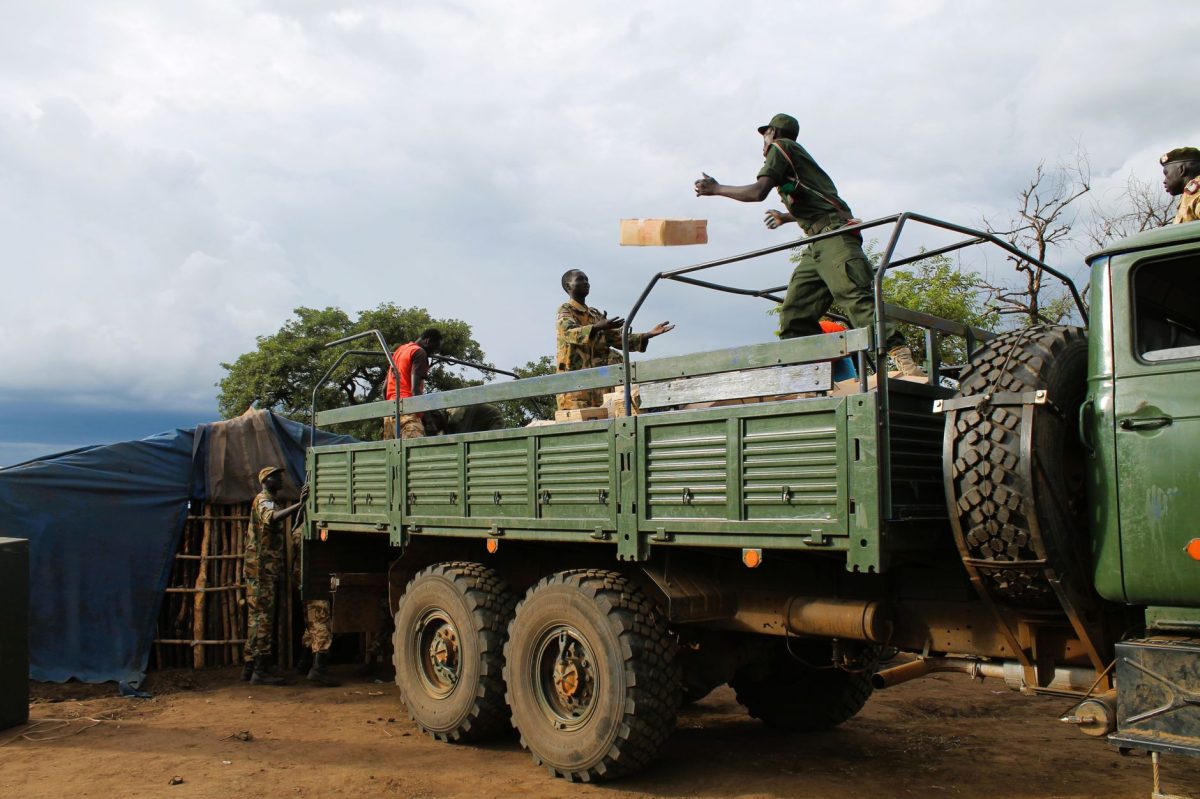
Conflict zones are areas where violence, war, or natural disasters have resulted in significant human suffering. If you want to make a positive impact, you need to know how to effectively help those affected. This guide will walk you through the essential steps to support people living in conflict zones, from preparing and donating to staying safe online.
Step 1: **Understand** the Challenges in Conflict Zones
Before helping people in conflict zones, it's crucial to understand the local situation and the needs of the affected. Research the conflict, its causes, and the current humanitarian situation. Utilize reliable sources such as the United Nations Office for the Coordination of Humanitarian Affairs (UNOCHA) or the International Committee of the Red Cross (ICRC) websites to stay updated on the situation. Additionally, consider reaching out to local organizations or charities to get a more accurate understanding of the ground situation.
Step 2: **Prepare** Your Support
When preparing to help people in conflict zones, consider the following: Gather essential items like food, water, and first aid supplies. Donate to reputable organizations that work directly with affected communities. Be cautious of fake charity websites and always research the charity before making a donation. You can use websites like Charity Navigator or GuideStar to check the credibility of a charity.
Step 3: **Stay Safe Online**
When supporting people in conflict zones online, it's vital to maintain your digital safety. Use strong passwords and enable two-factor authentication on your accounts. Avoid sharing sensitive information or personal details on public platforms, and be cautious of phishing scams. Utilize VPNs (Virtual Private Networks) and antivirus software to protect your devices from cyber threats. You can also use online resources like the Cybersecurity and Infrastructure Security Agency (CISA) website to stay updated on online safety tips.
Step 4: **Connect** with Affected Communities
Connecting with affected communities can be done through various means. Follow reputable humanitarian organizations on social media to stay updated on their work and the needs of affected communities. Consider volunteering remotely with organizations that work directly with affected communities. You can also use online platforms like VolunteerMatch or Idealist to find volunteer opportunities. Remember to respect the communities' boundaries and needs when interacting with them online.
Step 5: **Advocate** for Change
Advocating for change can be an effective way to help people in conflict zones. Raise awareness about the conflict and its impact on affected communities through social media or personal networks. Contact your local representatives to express your concerns and advocate for policies that support humanitarian aid. You can also use online resources like the United Nations Human Rights website to stay updated on human rights issues related to conflict zones.
Step 6: **Evaluate** Your Impact
Evaluating your impact is crucial to ensuring that your efforts are making a difference. Set clear goals and objectives for your support, and regularly assess your progress. Consider tracking your donations or volunteering hours to understand the scope of your impact. You can also use online resources like the Global Impact website to assess the effectiveness of your support.
Consider supporting organizations that work directly with affected communities, as they often have a better understanding of the local situation and can allocate resources more efficiently.
By following these steps, you can effectively help people affected by conflict zones. Remember to stay informed, prepared, and safe online, and to advocate for change to bring about lasting impact. Start by taking the first step today and make a positive difference in the lives of those affected by conflict.