How To Prepare For A Natural Disaster Like A Pro
Protect yourself and your loved ones from devastating earthquakes and other natural disasters with these actionable tips
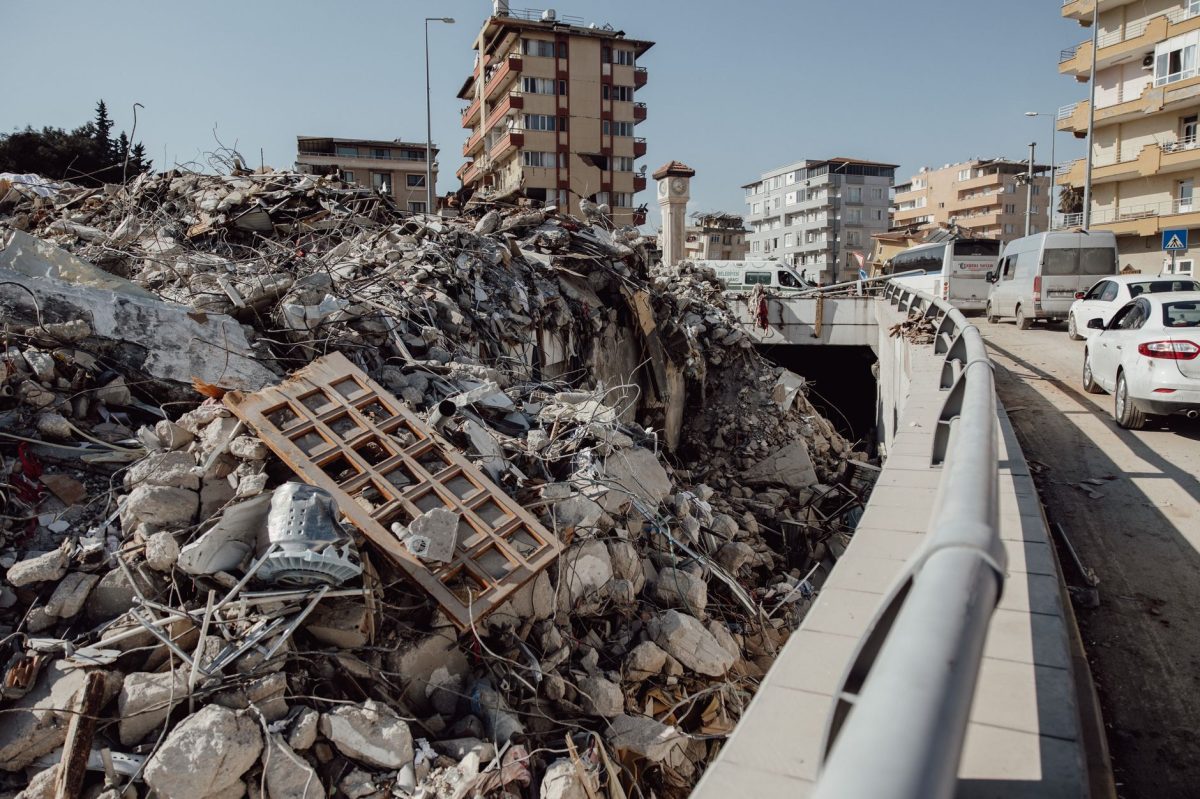
Natural disasters can strike at any moment, causing widespread destruction and chaos. As recent events in Colombia have shown, it's essential to be prepared for such emergencies. In this guide, you'll learn the best way to prepare for a natural disaster, including creating an emergency kit, staying informed, and knowing evacuation procedures.
Step 1: Create a Comprehensive Emergency Kit
Start by gathering essential items such as non-perishable food, water, first aid supplies, and a battery-powered radio. Consider using a disaster supply kit checklist to ensure you don't forget anything crucial. You can find pre-assembled kits online or create your own using items from your local store. Prioritize essential items like food, water, and medication first.
Step 2: Stay Informed About Weather and Emergency Alerts
Sign up for emergency alerts from your local government and weather service to stay informed about potential natural disasters. Download mobile apps like Emergency Alert or Weather Underground to receive timely updates. Keep a battery-powered radio and a NOAA Weather Radio on hand to stay informed during power outages. Understand the different types of emergency alerts and their meanings to stay prepared.
Step 3: Know Your Evacuation Procedures
Familiarize yourself with evacuation routes and emergency shelters in your area. Practice evacuating your home with your family to ensure everyone knows the procedure. Consider creating a family emergency plan that includes contact information and a meeting point. Identify safe zones in your home and community, such as sturdy buildings or open areas, to seek refuge in case of an emergency.
Step 4: Secure Your Home and Property
Take steps to secure your home and property by installing storm shutters, reinforcing doors and windows, and trimming trees and shrubs. Consider investing in earthquake-resistant products or retrofitting your home with safety features. Assess your home's vulnerability to natural disasters and take action to mitigate potential damage. Consider consulting with a professional for guidance on securing your home.
Step 5: Stay Safe During and After the Disaster
During an emergency, stay indoors and away from windows, and follow evacuation procedures if instructed by authorities. After the disaster, be cautious when exiting your home and avoid entering buildings that may be structurally unsound. Document damage to your property and take photos for insurance purposes, and seek help if you're injured or in need of assistance.
Consider investing in a portable emergency fund to cover unexpected expenses during and after a natural disaster.
By following these actionable tips, you'll be better prepared to face natural disasters and stay safe during and after the emergency. Remember to review and update your emergency plan regularly to ensure you're always ready. Next, take the time to create a comprehensive emergency kit and stay informed about weather and emergency alerts in your area.