How To Stay Safe During a Natural Disaster in 5 Steps
Protect yourself and your loved ones from wildfires, floods, and other natural disasters with these actionable tips and expert advice.
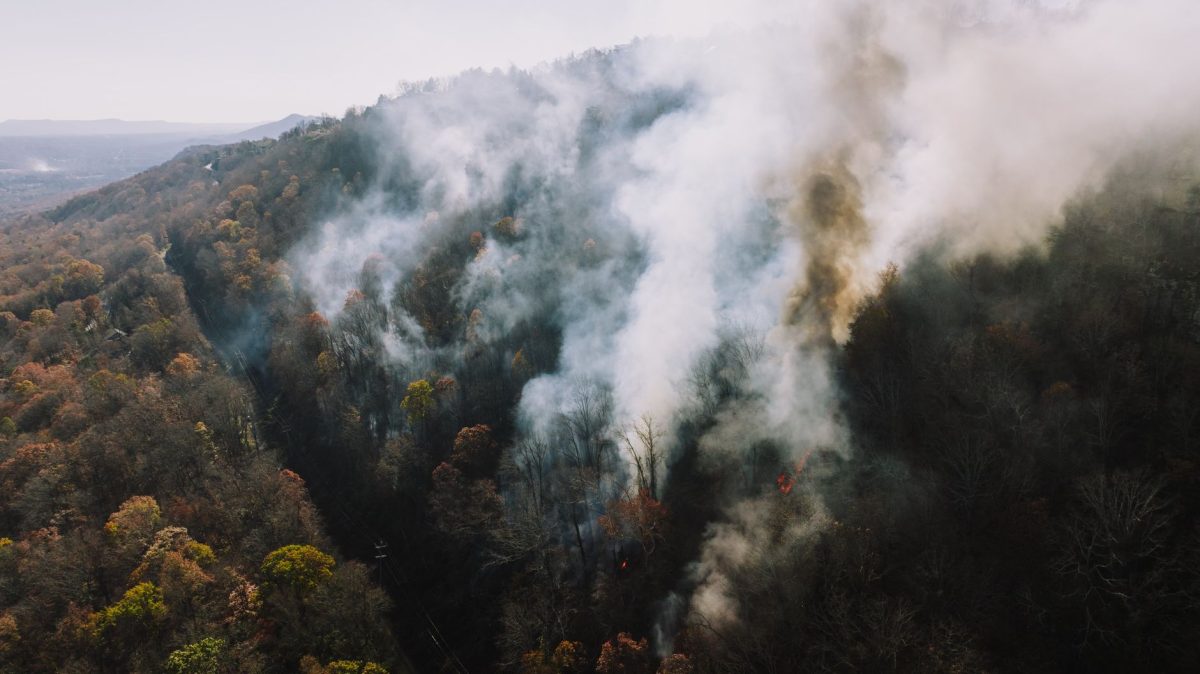
As the world grapples with the devastating effects of summer wildfires in Washington and other natural disasters, it's crucial to know how to stay safe during these emergency situations. Every second counts when disaster strikes, and being prepared can make all the difference. In this guide, we'll walk you through the 5 essential steps to ensure your safety and the safety of your loved ones during a natural disaster.
Step 1: **Create a Family Emergency Plan**
Develop a comprehensive plan with your family, including a communication strategy, evacuation routes, and a designated meeting point. Make sure everyone knows the plan and practice it regularly. You can use online tools like the American Red Cross's Emergency App or the Federal Emergency Management Agency's (FEMA) Family Emergency Plan Template to get started. Assign a contact person outside your area in case you get separated during a disaster.
Step 2: Stock an Emergency Kit
Assemble a disaster supply kit with essential items like non-perishable food, water, first aid supplies, and a battery-powered radio. Aim for a minimum of 3 days' worth of supplies and consider storing them in an easily accessible location like a garage or attic. Check your kit regularly to ensure everything is still usable and update your supplies as needed. Some great resources for building your kit include the American Red Cross's Disaster Supply Kit Checklist and the FEMA's Disaster Supplies Kit List.
Step 3: **Stay Informed About Weather Conditions**
Sign up for emergency alerts from your local government or weather service to stay informed about impending natural disasters. Download weather apps like Dark Sky or Weather Underground to receive real-time updates on severe weather conditions. Keep a battery-powered radio on hand in case the power goes out, and consider investing in a portable charger for your phone or other essential devices.
Step 4: **Identify Safe Zones in Your Home**
Know the safest places in your home to seek shelter during a disaster, such as interior rooms and hallways on the lowest floor. Identify potential hazards like windows, doors, and exterior walls, and take steps to mitigate them. For example, installing storm shutters or impact-resistant windows can help protect your home and family from high winds and flying debris.
Step 5: Practice and Review Your Plan
Regularly review and practice your emergency plan with your family to ensure everyone is on the same page. Conduct regular drills to test your response to different scenarios and make any necessary adjustments to your plan. This will help you stay prepared and reduce anxiety during a real disaster. You can also use online resources like the American Red Cross's Disaster Preparedness Simulator to help you practice and improve your plan.
Don't wait until it's too late – start building your emergency plan and kit today, and review it regularly to ensure you're prepared for any situation that may arise.
By following these 5 essential steps, you'll be better equipped to stay safe during a natural disaster and protect your loved ones. Remember to stay informed, stay prepared, and always have a plan in place. Take the first step today and build your emergency plan and kit to ensure a safer tomorrow.