How To Plant Urban Trees Effectively 2026: 7 Steps
Learn the best way to contribute to your city's forestry efforts and create a greener, more sustainable community
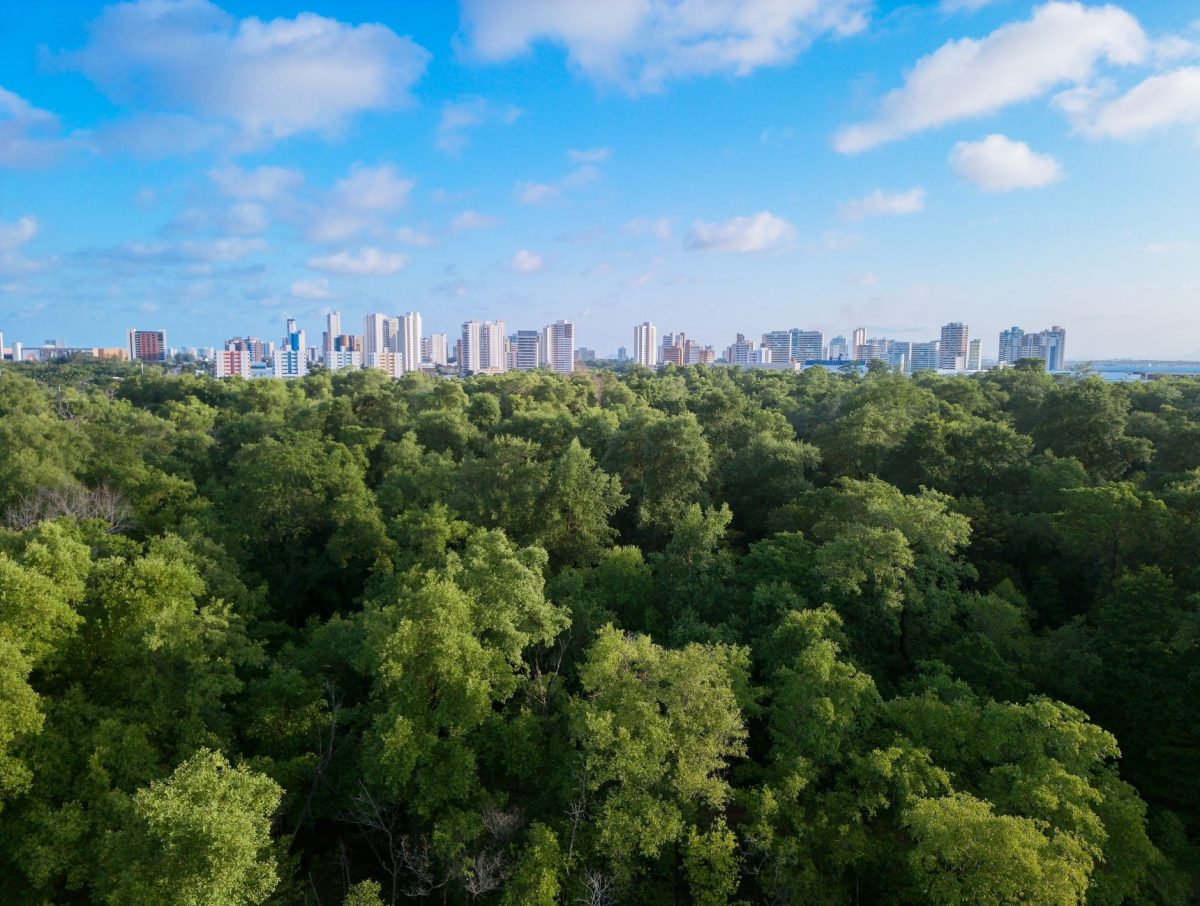
As urbanization continues to shape our world, the importance of urban forestry cannot be overstated. By learning how to plant urban trees effectively, you can play a crucial role in creating a greener, more sustainable community for yourself and future generations. In this guide, you'll discover the top 7 steps to take when planting urban trees and contribute to the efforts of your local community.
Step 1: **Select** the Right Tree Species
To start, choose a tree species that is suitable for your local climate and soil conditions. Consider factors like tree size, growth rate, and maintenance needs. You can consult with local nurseries or arborists to find the best tree species for your area. For example, the Japanese maple (Acer palmatum) is a popular choice for urban gardens due to its small size and vibrant fall colors.
Step 2: Identify the Best Planting Location
Next, identify a spot with the right environmental conditions for your tree to thrive. Ensure the area receives sufficient sunlight, water, and air circulation. Consider factors like soil quality, drainage, and nearby structures. The Arbor Day Foundation's Tree Planting Guide can help you determine the ideal planting location for your tree.
Step 3: Prepare the Soil
Before planting, prepare the soil by removing any debris, weeds, or grass. Test the pH level and nutrient content of the soil to determine if any amendments are needed. You can use a soil testing kit or consult with a local nursery for assistance. For optimal growth, aim for a pH range of 6.0-7.0 and a nutrient-rich soil mix.
Step 4: Dig the Planting Hole
Dig a hole that is twice as wide and just as deep as the tree's root ball. Use a shovel or a backhoe, depending on the size of the hole. Make sure the hole is not too deep, as this can cause the tree to sit too deeply in the soil, leading to root rot. For a more precise measurement, use the tree's root flare (where the trunk flares out at the base of the tree) as a guide.
Step 5: Plant the Tree
Gently remove the tree from its container or burlap, taking care not to damage the roots. Place the tree in the hole, making sure the root flare is level with the soil surface. Fill the hole with soil, tamping it down gently as you go to prevent air pockets. Water the tree thoroughly after planting to settle the soil.
Step 6: Mulch and Water
Apply a layer of organic mulch around the tree to retain moisture, suppress weeds, and regulate soil temperature. Keep the mulch a few inches away from the trunk to prevent rot. Water the tree regularly during its first year of growth, aiming to provide about 1 inch of water per week. You can use a rain sensor or a smart watering system to optimize watering schedules.
Step 7: Maintain and Monitor
Regularly inspect the tree for signs of stress, disease, or pests. Fertilize the tree annually with a balanced fertilizer, following the manufacturer's instructions. Prune the tree as needed to maintain its shape and promote healthy growth. Consider partnering with local organizations or community groups to monitor and maintain the tree's health over time.
When planting urban trees, consider the long-term benefits of incorporating **green infrastructure** into your community's urban planning. This can include green roofs, green walls, and other innovative solutions that integrate trees into the urban landscape.
By following these 7 steps, you can contribute to the growth of a sustainable and thriving community. Don't forget to stay involved and continue to monitor the health of your newly planted tree. Next, consider sharing your knowledge with friends and family, and encourage them to join you in planting urban trees in your community.