How To Prepare for an Emergency Medical Situation in 7 Steps
Learn the essential steps to take when a loved one is in critical condition, and how to advocate for their care
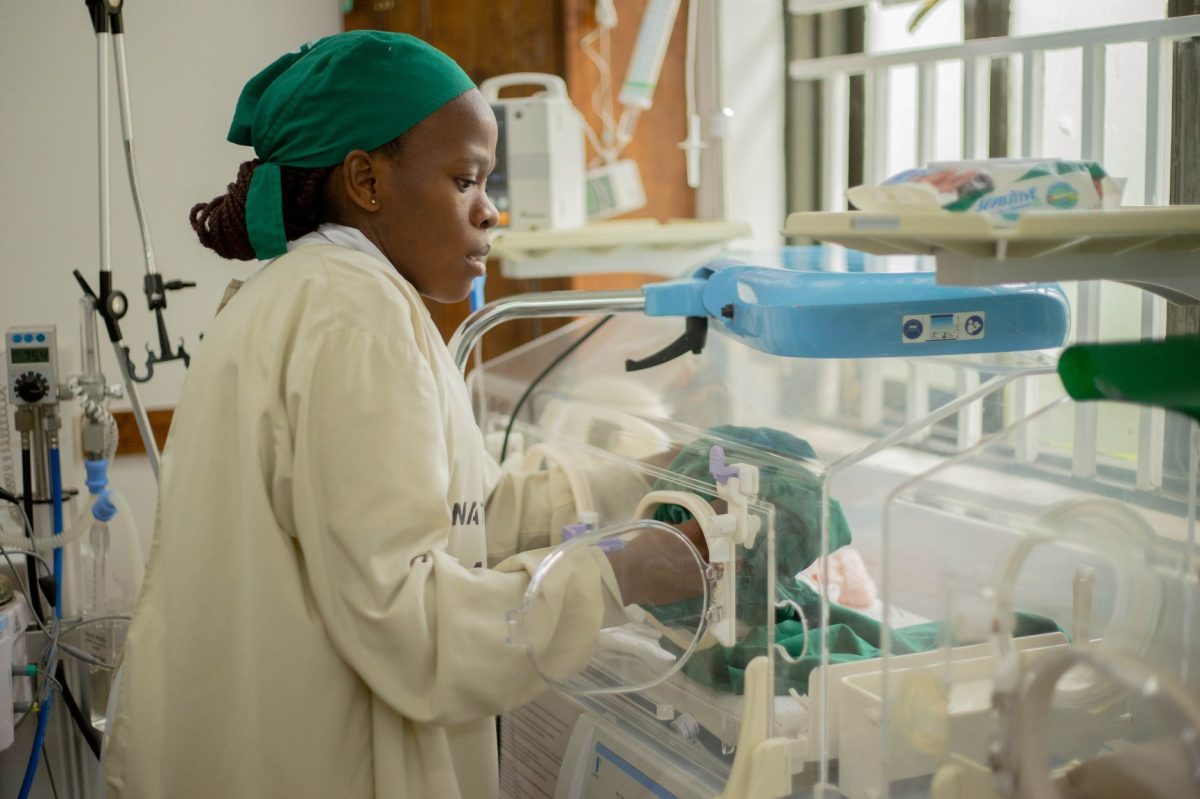
Have you ever found yourself unsure of what to do when a loved one is hospitalized in critical condition? Knowing the right steps to take can make a significant difference in their care and outcome. In this guide, you'll learn the essential steps to take when facing an emergency medical situation, including how to prepare, advocate for care, and support your loved one's recovery.
Step 1: Gather Essential Information about Your Loved One's Condition
Start by gathering information about your loved one's medical condition, including the diagnosis, treatment plans, and any medications they're taking. You can ask the hospital staff for a copy of their medical records or use online patient portals like MyChart to access their information. This will help you understand their condition and make informed decisions about their care.
Step 2: Understand Your Loved One's Medical Rights
Understand your loved one's medical rights, including their consent for treatment and their right to refuse care. Familiarize yourself with the Patient's Bill of Rights and the Health Insurance Portability and Accountability Act (HIPAA) to ensure you're making informed decisions on their behalf.
Step 3: Communicate with the Medical Team
Effective communication with the medical team is crucial in emergency medical situations. Ask questions, express concerns, and seek clarification on any aspect of their care. Use the SBAR (Situation, Background, Assessment, and Recommendation) communication tool to ensure you're conveying essential information clearly and concisely.
Step 4: Stay Informed about Treatment Options
Stay informed about treatment options, including medications, surgeries, and other interventions. Research the National Institutes of Health (NIH) and MedlinePlus for reliable information on various medical conditions and treatments.
Step 5: Seek Additional Support from Family and Friends
Don't be afraid to ask for help from family and friends. Reach out to loved ones for emotional support, practical assistance, and help with decision-making. You can also use online platforms like CaringBridge to connect with others who are supporting a loved one in a similar situation.
Step 6: Take Care of Yourself
Caring for a loved one in critical condition can be emotionally and physically draining. Make sure to take care of yourself by getting enough rest, eating well, and engaging in stress-reducing activities like meditation or yoga. Use the Crisis Text Line (text HOME to 741741) for emotional support and guidance.
Step 7: Review and Adjust Care Plans as Needed
Regularly review and adjust care plans as needed to ensure your loved one is receiving the best possible care. Use tools like CareZone to organize and track medications, appointments, and other essential information.
Don't be afraid to advocate for your loved one's care, even if it means disagreeing with the medical team. Your input and concerns are essential in ensuring they receive the best possible care.
By following these 7 steps, you'll be better equipped to prepare for an emergency medical situation, advocate for your loved one's care, and support their recovery. Remember to take care of yourself and seek additional support from family, friends, and online resources when needed.