10 Ways To Stay Safe During a Global Conflict: The Ultimate Guide 2026
Protect yourself and your loved ones from the risks associated with global conflicts like the proposed Hamas disarmament deal.
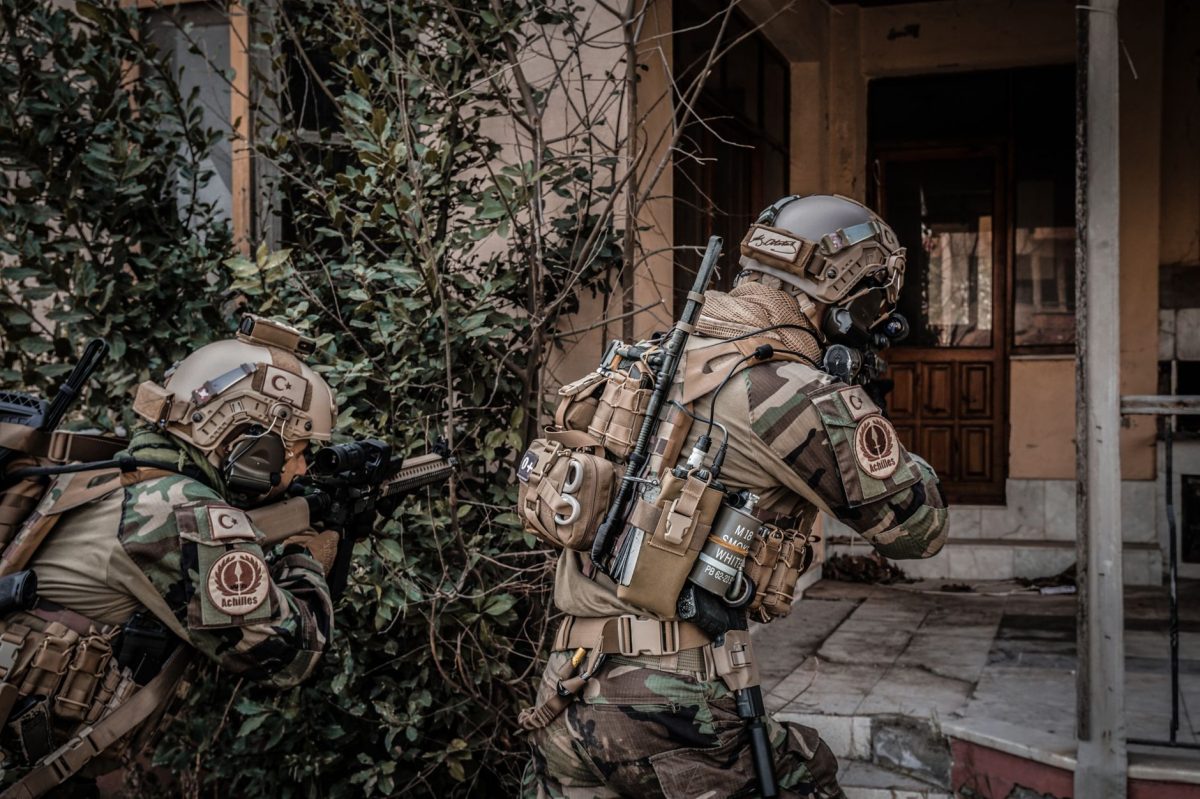
Global conflicts can be unpredictable and terrifying, but there are steps you can take to stay safe. With tensions rising in the Middle East, it's essential to be prepared. In this guide, you'll learn 10 practical ways to protect yourself and your loved ones from the risks associated with global conflicts.
Step 1: Stay Informed Without Putting Yourself at Risk
Stay up-to-date with the latest news and developments without exposing yourself to unnecessary danger. Use reputable news sources like BBC News and Al Jazeera to get accurate information. Consider using a VPN to encrypt your internet traffic and protect your online identity. This will help you stay informed without risking your safety.
Step 2: Have a Family Emergency Plan in Place
In the event of a global conflict, having a plan in place can save lives. Identify safe zones in your area, such as emergency shelters or trusted family friends' homes. Make sure all family members know the plan and designate a meeting point in case you get separated. Review and update your plan regularly to ensure it remains effective.
Step 3: Build an Emergency Fund and Stockpile Essential Supplies
In times of crisis, having a financial safety net and essential supplies can make a big difference. Set aside 3-6 months' worth of expenses in an easily accessible savings account. Stockpile non-perishable food, water, and medications in a designated emergency kit. This will help you weather any financial or logistical storms.
Step 4: Protect Your Online Identity and Personal Data
Your online identity and personal data are valuable assets that need protection. Use strong, unique passwords and consider enabling two-factor authentication on all accounts. Be cautious when sharing personal information online and use a reputable antivirus software to protect against malware and cyber threats.
Step 5: Stay Connected with Loved Ones During a Crisis
In times of crisis, staying connected with loved ones can provide comfort and support. Designate a contact person outside of the immediate conflict zone to keep each other informed. Use secure communication channels like Signal or WhatsApp to stay in touch. Make sure to keep your phone charged and have a backup power source on hand.
Step 6: Be Prepared for Power Outages and Disruptions
Power outages and disruptions can be a significant concern during a global conflict. Stock up on flashlights, batteries, and a portable charger to stay powered up. Consider investing in a portable generator or solar panels to provide a reliable electricity source. Keep essential items like food, water, and medications in a safe and accessible location.
Step 7: Consider Investing in a Safe Room or Shelter
In extreme situations, having a safe room or shelter can provide a secure refuge. Research local options for safe rooms or shelters, such as underground bunkers or reinforced buildings. Consider investing in a safe room kit or reinforced door to create a secure space in your home. Make sure to follow local building codes and regulations when creating a safe room or shelter.
Step 8: Stay Calm and Informed Through Crisis Management Training
Crisis management training can help you stay calm and informed during a global conflict. Take an online course or attend a workshop on crisis management to learn essential skills. Practice stress-reducing techniques like meditation or deep breathing to stay calm under pressure. Stay informed through reliable news sources and official government websites.
Step 9: Prepare for Potential Evacuations and Displacements
In some cases, evacuation or displacement may be necessary. Create a evacuation plan with your family, including a safe route and destination. Pack essential items like food, water, and medications in a designated emergency bag or backpack. Make sure to register with local authorities to receive updates and support.
Step 10: Stay Resilient and Adaptable During a Crisis
Finally, it's essential to stay resilient and adaptable during a global conflict. Practice self-care by getting enough sleep, exercise, and nutrition. Stay connected with loved ones and seek support from local community groups or mental health professionals if needed. Remember, staying safe during a global conflict requires preparation, planning, and adaptability.
Don't wait until the last minute to prepare – start building your emergency fund, stockpiling supplies, and staying informed today.
By following these 10 steps, you'll be better equipped to stay safe during a global conflict. Remember to stay informed, prepared, and adaptable to navigate any challenges that come your way. Take action today and start building your emergency plan and supplies.